

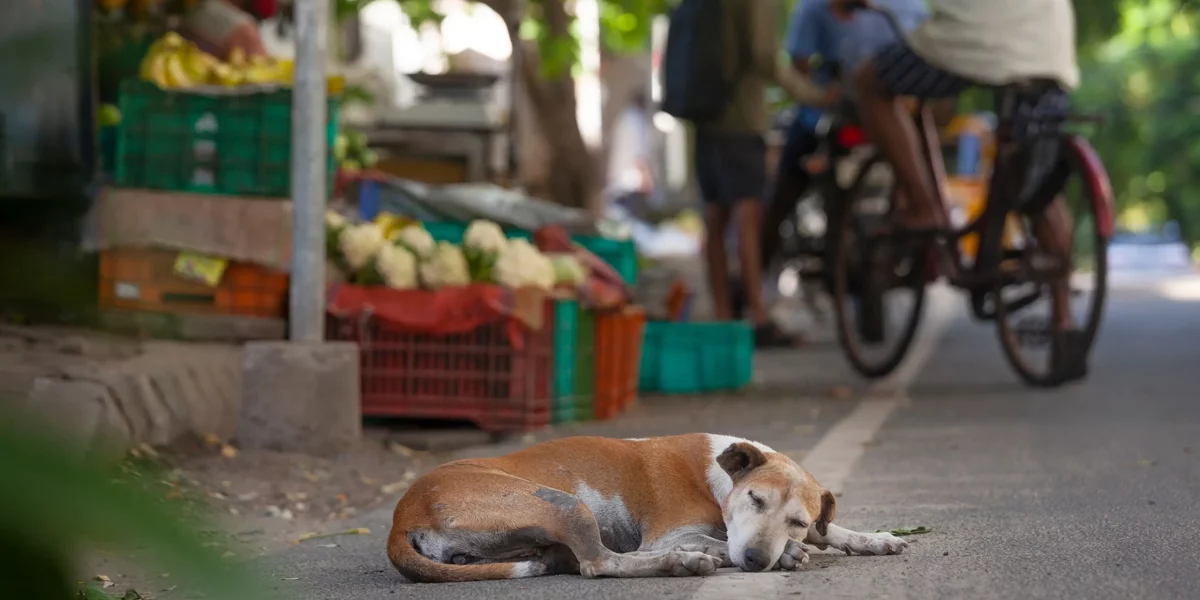
Pick any colony in India and you’ll find two groups of people who rarely agree.
One group knows every dog in the lane by name. They keep a water bowl outside the gate and worry when Kalu doesn’t turn up for dinner. The other group has a kid who got chased on the way to school, or an elderly parent who’s nervous on morning walks, and they want something done. Most society WhatsApp groups have seen this argument at least once. Usually more.
Uncomfortable truth: both sides have a point.
Creating animal-friendly cities doesn’t mean pretending safety concerns aren’t real, or expecting everyone to love dogs. It means setting up the boring, practical stuff (vaccination, sterilisation, clean streets, proper feeding spots, someone to call when a dog is hurt) so that people and dogs can actually share a neighbourhood without constant fights.
What does “animal-friendly” actually look like?
Think of it as a city where animal welfare is part of the plan, alongside sanitation and public safety, rather than an afterthought.
For street dogs, that means they’re vaccinated and sterilised, fed at agreed spots, treated when injured, and residents know who to call. A neighbourhood where dogs are suffering isn’t animal-friendly. Neither is one where a child is scared to walk to the bus stop.
Why street dogs need the community at all
Indie dogs have lived on Indian streets for as long as anyone can remember. Plenty of them are doing fine. They know their patch, someone feeds them, and they cause no trouble.
Others aren’t so lucky. Road accidents, mange, tick fever, dehydration in May, abandoned pets who have no idea how to survive outside. These are everyday realities.
A healthy dog living outdoors doesn’t need to be “rescued”. But a dog that’s injured or very sick does need help, and the people most likely to notice are the residents who see it every day. That’s why community involvement matters so much. You’re the early-warning system.
Seven things communities can do
Feed responsibly, not randomly
Food matters, but dumping leftovers outside the building isn’t feeding. It creates litter, draws rats, starts fights between dogs and almost always starts fights between neighbours too.
Good feeding means fresh, dog-safe food and clean water at a designated spot, away from roads and entrances. Feeders should clear up afterwards and coordinate so the same dog isn’t getting three dinners. In India, Supreme Court directions now require designated feeding areas, so check what’s allowed in your locality before setting up a routine. KAW has a handy explainer on whether feeding stray dogs is illegal in India, and our [guide to feeding stray dogs safely](ADD URL OF FEEDING STRAY DOGS BLOG) covers what to feed and what to avoid.
Push for rabies vaccination
Rabies is the one thing everyone worries about, and for good reason. Once symptoms show up, it’s almost always fatal. But it’s also preventable. The World Health Organization says vaccinating at least 70% of dogs in an area is a key target for controlling dog-mediated rabies.
You don’t need to vaccinate anyone yourself (please don’t). What helps is working with municipal teams and authorised vets, and pointing them to the dogs you see every day when a drive is happening. Regular feeders are great at this because the dogs trust them. More on how street dog vaccination works here.
Back humane sterilisation
More puppies on the street usually means more puppies dying on the street. Sterilisation brings numbers down slowly and humanely.
Under the Animal Birth Control Rules, 2023, this has to be done by qualified people through authorised programmes, not by residents catching dogs and driving them somewhere. What you can do is connect your colony with the right programme and help identify dogs that haven’t been done yet. KAW’s spay and neuter programme and this piece on how ABC, anti-rabies and spay-neuter keep colonies safe explain the process.
Get injured dogs to the right people
Say you spot a dog limping near the sabzi market. Its leg is swollen and it backs off whenever anyone gets close. The instinct is to grab it and take it to a vet. Don’t. An untrained grab can make the injury worse, and a dog in pain will bite.
Instead, keep your distance and note the exact spot, ideally with a map pin. Get a photo or short video if it’s safe, and mention whether the dog can walk and whether it’s near traffic. Then call a rescue service. For cases in its area, Kannan Animal Welfare takes rescue reports on WhatsApp at +91 9999670042.
Rescue groups have limited ambulances, so the worst cases go first. This injured dog first aid guide is worth reading before you ever need it.
Fix the garbage problem
This one gets ignored, but it’s huge. Open garbage dumps pull dogs into one spot, and a crowd of hungry dogs around a heap is exactly where most trouble starts. The rubbish itself is dangerous too, full of plastic, glass and rotten food.
Covered bins and regular collection fix a surprising amount, and vendors shouldn’t throw leftovers on the road.
Teach kids how to behave around dogs
Kids either want to hug every dog or run screaming from them, and neither goes well. A few simple rules help a lot. Don’t touch a dog you don’t know. Never bother a dog that’s eating, sleeping or has puppies. No pulling tails, no throwing stones, no chasing. If a dog comes close, stand still, stay calm and call an adult.
Kids should never be left to handle an aggressive dog on their own. Knowing why some street dogs act aggressively helps adults spot the warning signs early.
If anyone is bitten or scratched, wash the wound with soap under running water for 15 minutes and see a doctor quickly for a rabies assessment. KAW’s rabies myths and facts guide explains what happens next.
Work with the system, not around it
Municipal bodies handle population management, vets handle treatment and sterilisation, and NGOs handle rescue and rehab. Residents connect the dots by reporting problems accurately. When everyone actually talks to each other, things improve fast.
What can RWAs do?
RWAs usually end up refereeing the dog fight, and it’s not a fun job.
The most useful thing an RWA can do is write a simple plan everyone can see. It should say where the designated feeding spot is, who to call for vaccination and sterilisation, how garbage is handled, where to log bite incidents, and which rescue group to contact for injured dogs. A couple of named volunteers can be the point people for the municipality and local NGOs. Their job is to pass information along, not to act as dog-catchers.
Make sure the plan follows current law and municipal directions. If there’s already a dispute brewing, KAW’s guide on RWA vs dog feeders and what the law says is a good starting point.
What does the law say?
Two things matter most right now. The first is the Animal Birth Control Rules, 2023. The second is a pair of Supreme Court orders from 2025.
The order of 22 August 2025 directed authorities to set up designated feeding spaces and restricted feeding on streets outside them. The order of 7 November 2025 went further, covering stray animals on highways and institutional premises such as schools, hospitals, sports complexes, railway stations and bus depots.
So the same rules don’t apply everywhere. Check with your municipal authority before you organise anything. KAW’s overview of stray dog policy in India breaks it down in plain language.
When residents and feeders clash
These fights get emotional fast. Someone who’s been bitten is scared. A feeder who’s looked after the same dogs for years is scared too, just for different reasons.
What helps is getting specific. Is it one aggressive dog near the school gate? Food left rotting outside a building? Dogs gathering around an open dump? Each of those has a different fix. Leftover food is a cleaning problem. A dog showing signs of rabies is an emergency for the authorities, full stop.
Nobody should be poisoning, beating or catching dogs on their own. That’s cruel and illegal. Feeders, equally, shouldn’t brush off genuine reports of a dangerous dog. If complaints are already flying, here’s how to handle dog feeding complaints legally and safely.
How KAW helps street dogs in Delhi NCR
Even the most caring colony can’t do surgery. Injured dogs still need trained hands, a vet and somewhere to recover.
That’s where Kannan Animal Welfare comes in. KAW reports caring for 256 resident animals and feeding more than 200 street animals. Its work covers rescue, medical treatment, rehab, sterilisation support and daily street feeding. It also gives lifelong care to dogs who can’t safely go back, like paralysed dogs or dogs with chronic illness.
How your donation helps
Not everyone has the time or skill to rescue dogs, and donating is a perfectly good way to help instead. It pays for meals, vet visits, medicines and rescue runs.
KAW offers one-time and monthly giving. Monthly is especially useful because the dogs need feeding and medicine every month, not just when a rescue goes viral.
Donate to Kannan Animal Welfare, or sponsor meals for community dogs.
Where to start in your own colony
You don’t need to launch a campaign. Start small. Find out which municipal department handles vaccination, sterilisation and animal complaints in your area. Talk to neighbours and work out where the actual problems are. Use official channels to report them, and if you want to do more, volunteer with an established group rather than going solo.
You don’t need to know every dog by name. You just need a sensible plan and a few people willing to stick to it.
Quick answers
Yes, at designated spots. Supreme Court directions from 2025 restrict feeding on streets outside them, so check with your municipal authority.
No. Randomly moving dogs isn’t a substitute for proper population management, and handling or removal has to follow the law and be done by authorised people.
The bottom line
A city doesn’t become animal-friendly just because people leave food out. It gets there when injured dogs get help on time, most dogs are vaccinated, the streets are clean and residents know who to call.
That’s not a one-person job. But you can start today, by reporting one injured dog or backing a rescue group that’s already doing the work.
A caring city isn’t one without problems. It’s one where people sort them out humanely.