

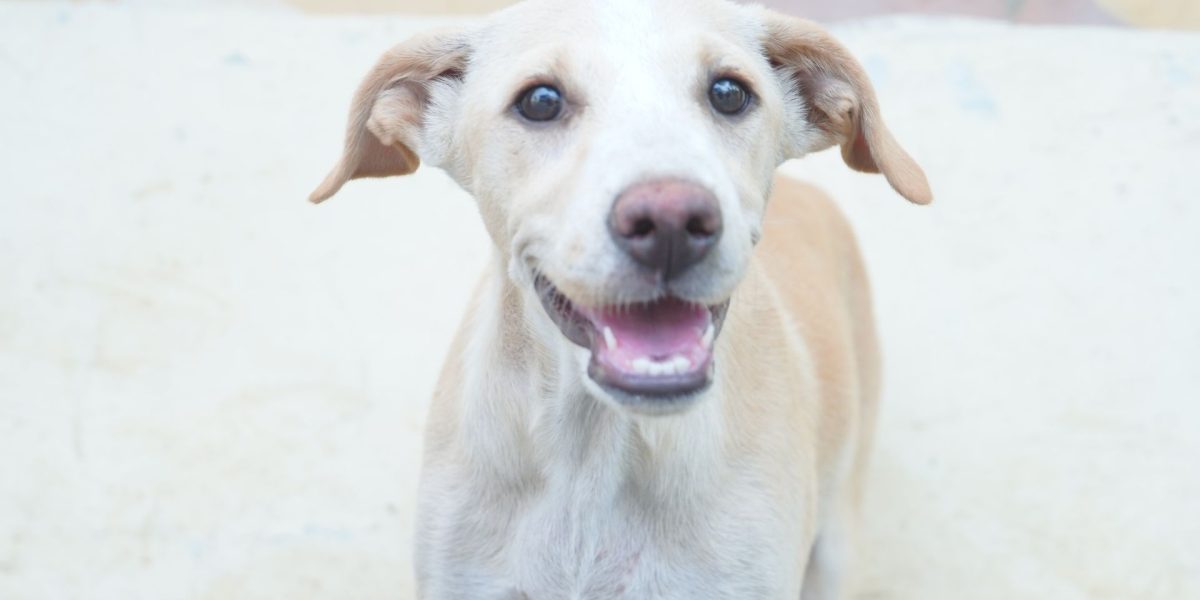
Rehoming a dog is never an easy decision. Life changes – moving cities, health or financial challenges, family dynamics -can make it hard to provide the care your dog deserves. When that happens, responsible dog rehoming ensures your pet transitions safely to a loving, permanent home rather than being abandoned or handed to unvetted dealers. Kannan Animal Welfare (KAW) in Delhi-NCR supports ethical rehoming through adoption programs, counseling, and a structured process that puts animal welfare first.
What “rehoming” really means (and why it matters)
Rehoming is the careful placement of a dog with a new, suitable family – after health checks, temperament assessment, and paperwork. It’s not “giving up”; it’s choosing the safest path when keeping your pet is no longer possible. Responsible rehoming protects dogs from neglect, fraud, and impulse transfers that too often lead to cruelty or repeat abandonment. India has seen its share of pet-care scams—another reason to work with transparent, welfare-driven organisations.
How Kannan Animal Welfare approaches rehoming
KAW focuses on rescue, medical care, sterilisation, and rehoming via adoption—including an overseas rehoming pathway for suitable dogs through vetted partners. Capacity is always prioritised for critical rescues, but the team can guide guardians who genuinely need to rehome, and—where feasible—help list, foster, and place dogs through their adoption network.
KAW is 12A/80G certified, so any support you extend (for medical, boarding, or transport during rehoming) can be eligible for Indian tax benefits—helpful when there are transition costs.
Overseas placements: KAW collaborates with reputable rescues abroad for dogs who thrive as companion animals but may not be safe to return to the street ecosystem (e.g., long rehabilitation cases). These placements follow export/import compliance and partner screening.
When should you consider rehoming (vs. solving the root cause)?
Before you decide, KAW encourages you to explore fixes:
- Training & behaviour help for pulling, barking, or anxiety
- Medical workups for sudden aggression or lethargy (often pain-linked)
- Time-share solutions (dog walkers, day care, neighbour fosters)
- Housing society issues: note that blanket pet bans are not legal under AWBI guidance; many conflicts resolve with education and compliance (vaccinations, leash, hygiene).
If none of the above makes your dog’s welfare sustainable, rehoming—with documentation and home checks—is the humane path.
The KAW-style rehoming flow (what to expect)
- Intake conversation
Share your dog’s age, health records, temperament, likes/triggers, routines, and reason for rehoming. Honesty helps match the right home. Start via KAW’s contact page. - Medical & behaviour review
Ensure vaccinations and sterilisation (or a plan for it). Keep the vaccine card ready; this is part of ethical rehoming and later adoption paperwork. - Foster or board-and-train (where available)
If KAW capacity is limited, they may guide you on vetted fosters while listing your dog for adoption. Donations can offset care during this transition (80G-eligible in India). - Listing & screening
Applications are screened; potential families meet the dog. Adult Indian Pariah dogs rehome beautifully—don’t overlook them for great temperament and climate-fitness. - Home check & paperwork
Adopters sign an undertaking (vaccination/sterilisation, safe housing, return-to-shelter clause if things fail). These steps align with AWBI’s adoption protocol encouraging documented, transparent placements. - Follow-ups
Short follow-up windows help settle the dog and support the new family with routine, diet, and training tips.
Documents & legal notes
- ID/address proof from the adopter, plus a signed adoption/rehoming undertaking.
- Municipal norms: many cities require pet registration and up-to-date vaccination proof.
- Housing societies: Blanket bans on pets are not permitted under AWBI guidance; societies may enforce reasonable hygiene/noise rules. If your rehoming is driven by society pressure alone, speak with KAW for a factsheet to amicably resolve it.
Costs you may need to plan
Rehoming itself isn’t a sale; however, there can be care costs during transition—foster boarding, vaccinations/sterilisation updates, or transport (especially for overseas rehoming). Supporting these costs speeds up safe placement, and donations to KAW are eligible under 12A/80G.
Preparing your dog for a smooth new start
- Health: deworming, tick/flea preventives, recent vet check, spay/neuter
- Records: vaccine card, microchip/ID tag, any medical history
- Temperament notes: triggers, handling comfort (grooming, kids, other dogs)
- Starter kit: 1–2 weeks of current food, favourite toy/blanket, feeding and walk schedule
- Profile: 5–7 clear photos and a short bio; this dramatically improves adoption interest
Overseas rehoming (when applicable)
If your dog is a fit for international adoption, KAW coordinates with experienced partner rescues, manages pre-travel medical and documentation, and supports adopter screening abroad. This route is case-by-case and depends on the dog’s welfare needs and partner availability.
How to start rehoming with KAW
- Message the team with your dog’s details and timeline via the Contact page.
- If you can’t rehome but want to help: volunteer, foster, sponsor meals/medical care, or donate (India/overseas options available).
Reach out to Kannan Animal Welfare (Delhi-NCR) to start a transparent, humane process, or explore fostering, meal sponsorship, and donations to support a dog’s journey to a safe new home.
FAQs
It varies – age, health, temperament, and city interest matter. Adult, well-socialised, sterilised dogs with complete records typically rehome faster.
Capacity prioritises emergencies and rescues, so intake is case-dependent. Even when space is tight, KAW can guide you on vetted fosters and listing support to rehoming ethically.
First, know your rights: blanket pet bans are not permissible under AWBI guidance. Many issues resolve with education and responsible pet-parent practices. Rehome only if the dog’s long-term welfare is genuinely at stake.
Yes – sterilisation is part of ethical rehoming and aligns with Indian welfare norms. It helps reduce roaming, stress, and unwanted litters; adopters and shelters expect it.