

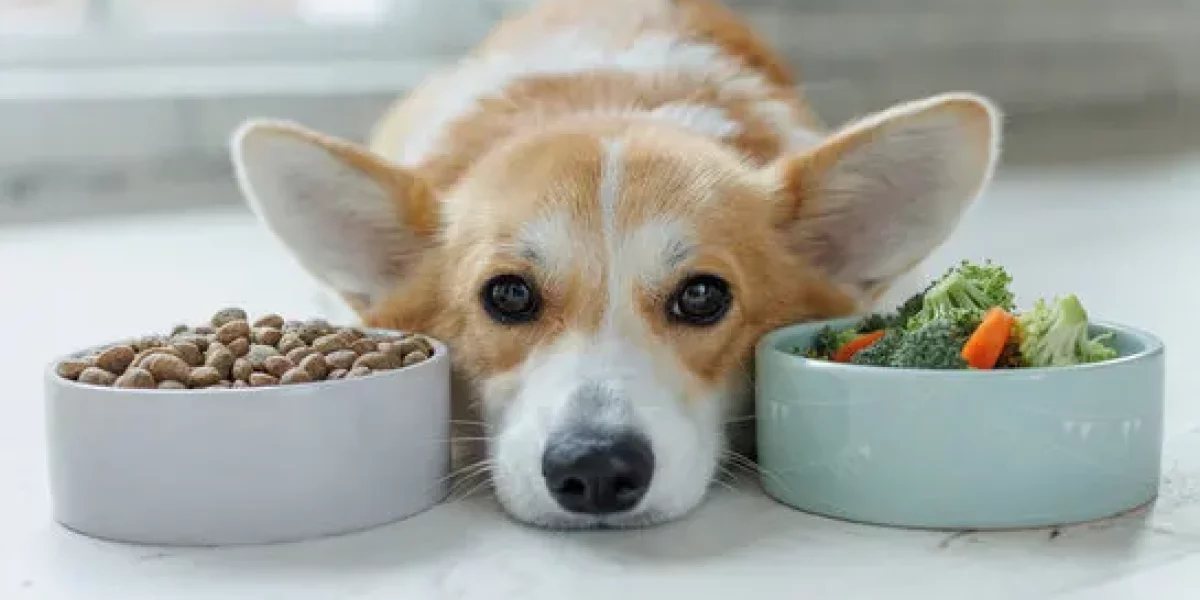
A dog turning away from a full bowl is one of those moments that immediately puts an owner on alert – and for good reason. Appetite is one of the clearest windows into a dog’s overall health, so a sudden change is always worth paying attention to.
The good news: most causes of appetite loss are manageable once you know what you’re looking at. This guide walks through the 10 most common reasons, how to tell them apart, and exactly what to do for each – plus the warning signs that mean it’s time to stop reading and call a vet.
Quick note before you start troubleshooting: if your dog hasn’t eaten in more than 24 hours, is a puppy, senior, or has an existing health condition, or is showing any of the emergency signs listed at the end of this article, skip the troubleshooting and contact us directly.
1. Minor Stomach Upset
What it looks like: Skipping a meal or two, otherwise acting normal – playful, alert, drinking water fine.
Why it happens: Dogs get mild digestive upset from eating something slightly off, a sudden food change, or simply overeating the day before. It’s usually self-limiting.
What to do: Offer a bland option like plain boiled chicken and rice in small amounts. Most dogs bounce back within 24 hours. If it continues past that, move to a vet check.
2. Recent Vaccination or Medication
What it looks like: Appetite drop within 24–48 hours of a vaccine or starting a new medication.
Why it happens: A mild, temporary immune response to vaccines is common and normal. Some medications (antibiotics especially) can also cause nausea or a metallic taste that puts dogs off food.
What to do: Give it 1–2 days. Offer smaller, more appealing meals (a little warm water mixed in, or a wet food topper). If appetite hasn’t returned in 48 hours, call your vet – especially if a new medication is involved.
3. Dental Pain
What it looks like: Approaching the bowl but hesitating to actually eat, dropping food, chewing on one side, or pawing at the mouth.
Why it happens: A cracked tooth, gum infection, or advanced dental disease makes chewing painful – dogs will often want to eat but physically can’t commit to it.
What to do: Check for visible swelling, bad breath, or bleeding gums. Soft or soaked food can help in the short term, but dental pain needs a vet exam – it doesn’t resolve on its own and usually gets worse.
4. Stress or Anxiety
What it looks like: Appetite loss tied to a specific change – a move, a new pet, a loud event (fireworks, thunderstorms), boarding, or a change in routine.
Why it happens: Dogs are highly sensitive to environmental and emotional shifts, and stress commonly suppresses appetite, just as it does in humans.
What to do: Keep mealtimes calm, quiet, and predictable. Feed in a low-traffic area away from noise or other pets. Appetite typically returns once the stressor passes or the dog adjusts. If stress is chronic (ongoing anxiety, not a one-off event), it’s worth discussing management strategies with a vet or trainer.
5. Extreme Heat
What it looks like: Reduced appetite specifically during hot weather or after time outdoors in high temperatures, often paired with increased water intake or panting.
Why it happens: Dogs naturally eat less in heat – it’s a normal physiological response, similar to reduced appetite in humans during a heatwave.
What to do: Feed during cooler parts of the day (early morning, evening), ensure constant access to fresh water, and don’t force feeding during peak heat. Monitor for heatstroke signs (excessive panting, drooling, weakness, collapse) – these require immediate emergency care, not a food fix. For more ways to keep dogs comfortable when temperatures spike, see our guide on how to help street dogs in summer.
6. Picky Eating or Food Boredom
What it looks like: Selective eating – happily eating treats or table scraps but ignoring regular meals, otherwise completely normal energy and behaviour.
Why it happens: Some dogs develop preferences, especially if they’ve been given inconsistent food choices or too many treats, which reduces their motivation for regular meals.
What to do: Avoid free-feeding – offer food for 15–20 minutes, then remove it whether eaten or not, to build a healthy eating rhythm. Cut back on treats and table scraps. Don’t switch foods every time a meal is skipped; this reinforces the pickiness rather than fixing it.
7. Underlying Illness (Infection, Organ Issues, etc.)
What it looks like: Appetite loss combined with other symptoms – lethargy, vomiting, diarrhea, weight loss, changes in urination, or general “not themselves” behaviour.
Why it happens: Loss of appetite is one of the most common early signs of illness in dogs, ranging from infections to kidney or liver issues to more serious conditions. It’s rarely the only symptom for long.
What to do: Don’t wait this one out. Any appetite loss paired with other symptoms warrants a vet visit – bloodwork and a physical exam can catch underlying issues early, when they’re most treatable. Curious what a full recovery actually looks like once treatment starts? Our post on what happens after a dog is rescued and treated walks through the process.
8. Pain (Not Just Dental)
What it looks like: Reluctance to eat combined with reduced movement, difficulty getting up, whimpering, or reluctance to be touched in a specific area.
Why it happens: Pain anywhere in the body – joints, abdomen, an injury – can suppress appetite, since eating (and the movement of getting to the bowl) becomes uncomfortable.
What to do: Watch for other signs of discomfort: limping, stiffness, a hunched posture, or sensitivity when touched. This needs a vet exam to locate the source – don’t guess at pain relief without a diagnosis, as many human pain medications are toxic to dogs. If the appetite loss follows a visible injury, our article on common mistakes people make around injured animals is worth a read before you do anything else.
9. Nausea from Motion or Travel
What it looks like: Appetite loss specifically after car rides, flights, or other travel, sometimes with drooling or vomiting during the trip itself.
Why it happens: Motion sickness in dogs is common, especially in puppies whose inner ear balance system is still developing, and it commonly suppresses appetite for hours afterward.
What to do: Avoid feeding a large meal right before travel. Allow time to settle after arrival before offering food. If travel is frequent, ask your vet about anti-nausea options for future trips.
10. Aging and Reduced Activity
What it looks like: A gradual, mild decline in appetite in a senior dog, alongside reduced activity levels, otherwise stable weight and normal energy for their age.
Why it happens: Older dogs generally need fewer calories as their metabolism and activity level naturally decrease – a mild reduction in appetite can simply reflect a lower calorie need, not illness.
What to do: Track weight over time rather than reacting to a single skipped meal. A gradual decline that tracks with reduced activity is usually normal. A sudden or sharp drop in appetite in a senior dog, though, should always be checked by a vet – seniors are more prone to underlying conditions that present this way.
When Not Eating Is an Emergency
Contact a vet immediately – don’t wait it out – if your dog shows any of the following:
- Hasn’t eaten anything, including treats, for more than 24 hours
- Is a puppy refusing food for more than 8–12 hours (puppies can develop dangerously low blood sugar quickly)
- Is vomiting repeatedly or has diarrhea alongside appetite loss
- Shows lethargy, weakness, or collapse
- Has a swollen or painful abdomen
- Is drooling excessively or retching without producing anything (a possible sign of bloat, a life-threatening emergency, especially in large, deep-chested breeds)
- Has known access to something toxic (medications, chocolate, xylitol, certain plants)
- Is a senior dog or has an existing health condition and shows any sudden appetite change
If you spot a street animal in this kind of distress rather than a dog in your own care, you can report the case to our team directly and share photos or video so we can guide you on next steps.
Frequently Asked Questions
A healthy adult dog can typically go 24–48 hours without serious harm, though it should still be investigated. Puppies, seniors, and dogs with existing health conditions have much less of a safety margin – 8–12 hours of refusal in a puppy warrants prompt attention.
It’s a reasonably good sign, since it suggests the dog isn’t critically unwell, but it’s not a green light to wait indefinitely. Continued water intake with no food for over 24 hours still needs a vet check.
Not immediately. Switching foods every time a meal is refused often trains a dog to hold out for something better, reinforcing picky eating. Rule out the causes above first before assuming it’s a food preference issue.
Yes – stress and anxiety are common, genuine causes of appetite loss in dogs, not just an owner’s imagination. Environmental changes, loud events, and disrupted routines are frequent triggers.
A gradual, mild decrease in appetite that matches reduced activity level is common in senior dogs and usually not concerning. A sudden or significant drop, however, should always be checked by a vet, since older dogs are more prone to underlying conditions.
Related reads from KAW: