

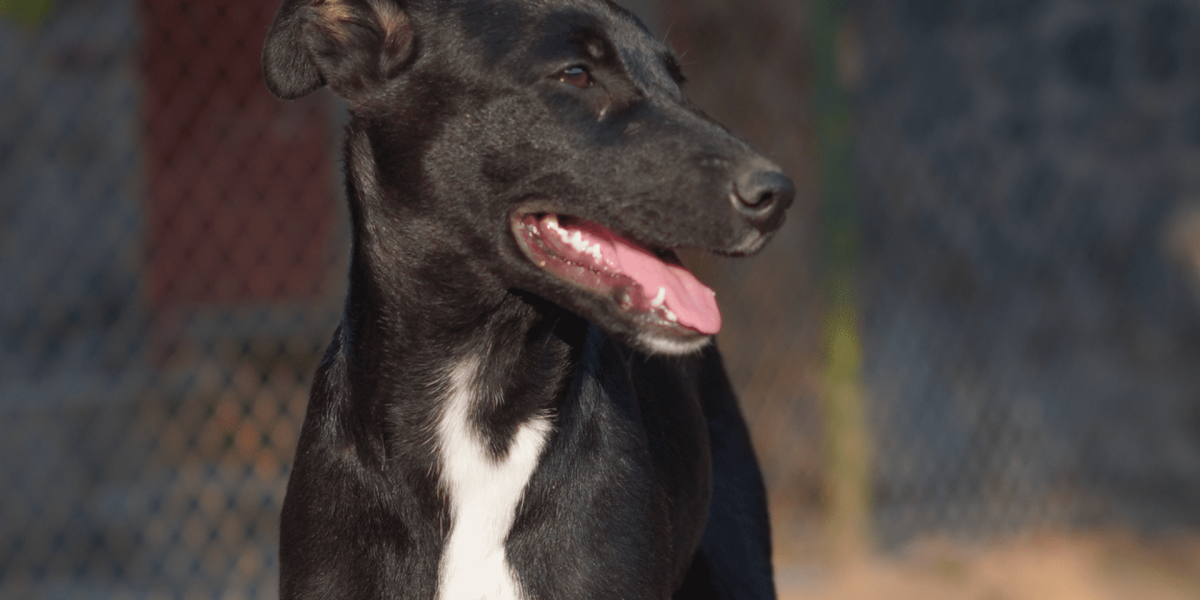
Whenever we pass by the busy roads of India, especially in big cities such as Delhi, there is one disturbing thing that we keep noticing and that is the abuse of animals. Animal abuse has become a significant and highly visible problem in urban India in modern times and has made street animals extremely vulnerable. Injured, abandoned or severely neglected animals are most of the time found lying hopelessly on the road, wandering in the marketplaces, or suffering silently in the homes of people as cases of animal cruelty continue to increase. Some organisations, like Kannan Animal Welfare in Delhi-NCR, get distress calls frequently and are involved in shocking and urgent cases of abuse and offer immediate rescue and medical services. Thus, awareness of the red flags, legal protection and the proper method of filing a complaint can empower the responsible citizens to rise up and save animals.
What is Animal Abuse?
When the problem of animal abuse is brought up, the majority of the population is inclined to believe that the problem is only related to physical abuse, yet the definition of the problem is broader and more crucial. Simply put, animal abuse may be defined as any kind of cruelty, neglect, abandonment, and exploitation of animals, whether pets or needy things on the street. The number of cases of animal abuse in urban India is large, and the majority of them involve street dogs left alone or even tortured. Despite the fact that there are several animal protection laws in India, the lack of awareness among the citizens and the inefficiency of the enforcement are also major problems.
The common categories of abuse include:
- Physical violence
- Starvation and neglect
- Abandonment of pets
- Illegal breeding practices
- Denial of medical treatment
Hence, it is quite evident why rescue shelters regularly receive animals that are suffering from one or more of these forms of mistreatment.
Types of Animal Abuse Commonly Seen in India
When we carefully look at the ground reality across different cities, we will clearly understand that animal abuse in India exists in multiple painful forms. The suffering that is brought about by the abuse of animals is always distressing, though the circumstances might be different in each case. Some animal cruelty tendencies are constantly observed by volunteers and medical staff in a number of real-life rescue missions. Hence, it becomes important to understand these categories in a practical and structured manner.
a) Physical Abuse
One of the most commonly witnessed forms includes beating, poisoning, stone-pelting, and even deliberately injuring animals using vehicles. In many severe situations, emergency rescue teams immediately transport critically injured dogs to advanced care units where surgeries and long-term rehabilitation become necessary for survival.
b) Neglect & Abandonment
The other disturbing aspect is when families move to a new place and just leave their pets behind without any care. In most instances, animals are denied proper food, clean drinking water and safe shelter. Thus, rehabilitation centres are critical in ensuring such victims gradually recover health and confidence.
c) Medical Neglect
In numerous instances, infections, fractures, or contagious diseases are ignored until the condition turns critical and life-threatening.
d) Commercial Exploitation
Illegal breeding practices and excessive overworking of animals for commercial gain further increase their suffering. Hence, early detection of animal cruelty can significantly reduce the risk of severe animal abuse outcomes.
Warning Signs of Animal Abuse in Your Area
If you genuinely want to stand against animal abuse, then the very first step is to carefully observe what is happening around you in your locality. In some urban neighbourhoods, early detection of warning signals will save severe damage to helpless animals. You are to note at once, in case you encounter any of the following red flags:
- Untreated wounds, open wounds, or potential fractures are being neglected.
- Constant chaining or long imprisonment without sufficient room or movement.
- Severe malnourishment, where bones and ribs can be seen.
- Awkward, fearful, withdrawn, or violent behaviour which might be a consequence of trauma.
- The same injury happens again and again without any cause.
- Lack of a good shelter in hot summers, rains or freezing winters.
In many animal abuse cases across Delhi-NCR, alert community members have identified such signs early and contacted rescue organisations for immediate intervention and support.
Animal Abuse Laws in India: Legal Protection Framework
When the issue of animal abuse is brought to the discussion table, the first thing that will always cross our minds is whether India has the right legal system to deal with such crimes. The positive aspect is that India has organised animal abuse legislation that seeks to protect animals against abuse and neglect.
The key acts in this relation include the Prevention of Cruelty to Animals Act, 1960, which clearly outlines the various forms of abuse and how one should respond to such abuse. In addition to this, there are other heinous crimes in Sections 428 and 429 of the Indian Penal Code that are injuring, maiming, or killing animals. These animal protection laws impose a penalty that may be a fine and imprisonment, depending on the nature of the crime committed. In spite of the instances of animal abuse which are still reported in different parts, NGOs tend to assist the law enforcement agencies in enforcing the relevant documentation and follow-ups.
In a number of extreme animal abuse cases, the rescue foundations also liaise with the police so that legal actions are taken without any undue delay.
| Law | What It Covers | Penalty |
| PCA Act, 1960 | Cruel treatment & neglect | Fine / Legal action |
| IPC 428 | Injury to animals | Imprisonment / Fine |
| IPC 429 | Killing/maiming animals | Higher imprisonment term |
How to File an Animal Cruelty Complaint in India
It is your ethical duty to take necessary actions as soon as you witness any unpleasant animal abuse situation in your environment. Even though the process of filing an animal cruelty complaint might seem confusing at first, it can be made effective and straightforward with the aid of a systematized approach.
- Gather the evidence: First, you are supposed to take clear photographs or videos of the incident, as good visual evidence always goes a long way in justifying the complaint.
- Record important details: It is important to record the date, time and place of the incident that took place and any other distinguishing details about the accused person.
- Go to the nearest police station: Go to your local police station and request them to create an FIR with the help of the relevant provisions of the IPC pertaining to animal cruelty.
- Report to animal welfare agencies: Simultaneously, alert animal welfare non-governmental organisations in the region so that trained rescue teams can arrive at the site and provide the animals with medical treatment.
- Constant follow up: Be in touch with the police and also the NGO to follow up on the case.
- In the vast majority of cases, an animal cruelty complaint is much more efficient when the rescue organisations are able to arrive immediately to provide medical assistance and relevant documents for legal proceedings.
The Role of Rescue & Rehabilitation in Combating Animal Abuse
Whenever we discuss practical solutions to control animal abuse in our society, it becomes extremely important to recognise the value of a structured rescue and rehabilitation system. Rescue does not just imply picking a wounded animal off the road; it is a well-organised structure that also encompasses 24/7 emergency response services, Critical Care Unit (CCU), spay and neuter programs, regular vaccination programs, regular feeding programs, and responsible rehoming programs.
Kannan Animal Welfare in Delhi-NCR is one of the organisations that do a lot in this mission because they not only rescue the victims, but also provide long-term rehabilitation and ethical adoption. It is also necessary to learn that rescue is only the first step of the process. Complete medical treatment, emotional healing, and placement in a safe and caring environment are just as crucial for achieving sustainable recovery and long-term welfare.
Conclusion
To summarise, it becomes very clear that combating animal abuse requires awareness, proper understanding of the law, and immediate action from every responsible individual. The ability to recognise the warning signs, the knowledge of the legal provisions and the ability to report the incidents immediately can make a significant difference. Meanwhile, the provision of assistance to ethical rescue operations, organised rehabilitation, and responsible adoption campaigns also reinforces the protection system. With the commitment of the citizens, the authorities and welfare organisations, actual change becomes possible. Hence, let us collectively stand firm and take conscious steps to end animal abuse in our communities.
FAQs
If you ever witness animal abuse in your locality, the first step is to remain calm and collect proper evidence such as photographs or videos. After that, note the exact date, time, and location. You should then approach the nearest police station and also inform a local animal welfare organisation for immediate rescue support.
Yes, India has legal provisions that address animal cruelty under specific acts and IPC sections. These laws provide for fines and even imprisonment depending upon the severity of the offence. However, awareness and proper enforcement are equally important to ensure that offenders are held accountable in a timely manner.
There are several warning signs that may indicate abuse, such as untreated wounds, extreme malnourishment, continuous chaining, or repeated injuries. In some cases, animals may appear unusually fearful or aggressive due to trauma. Recognising these early indicators can help prevent further suffering and allow timely intervention.
Yes, you do not need to be the owner of the animal to raise a complaint. Any responsible citizen who witnesses cruelty has the right to report the matter. In fact, many cases are reported by vigilant community members who choose to act rather than ignore the situation.
Rescue organisations play a crucial role by providing emergency medical care, shelter, and proper documentation of injuries. They often coordinate with law enforcement authorities to support legal proceedings. Their involvement ensures that the animal receives treatment while the case is handled through the appropriate legal channels.