

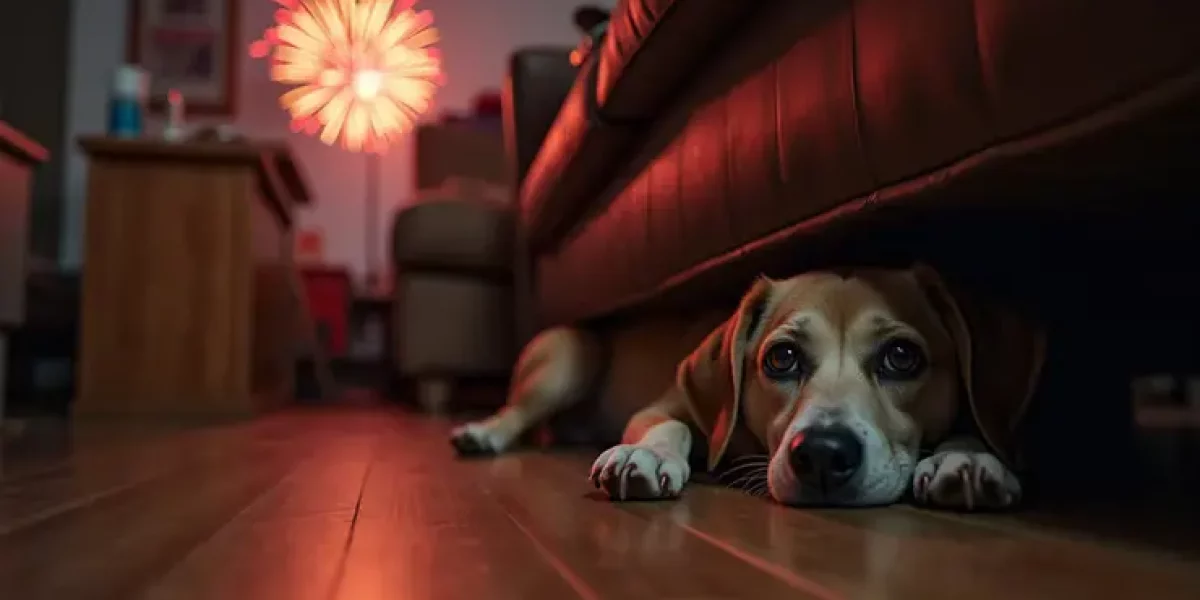
Diwali is a festival of lights, happiness, and new beginnings. While families enjoy decorations, sweets, and celebrations, loud firecrackers can make the festive season frightening for dogs, cats, and other animals. Sudden bursts of noise may cause stress, panic, and attempts to escape, putting animals at risk of injuries and road accidents.
Diwali 2026 falls on Sunday, 8 November. As the festival approaches, pet owners and animal lovers can take simple precautions to protect animals from firecracker noise and other festive hazards.
Knowing how to keep pets safe during Diwali is important, but street dogs need attention too. Unlike household pets, they may not have a quiet room or a safe place to hide when crackers go off nearby.
Here are practical ways to protect pets, help street dogs, and make Diwali safer for animals.
Why Are Firecrackers Scary for Dogs and Cats?
Dogs and cats have sensitive hearing, and sudden, loud sounds can startle them. Firecrackers produce unexpected bangs that may leave animals frightened, especially when the noise continues for hours.
Dogs may tremble, pant, bark, hide, or attempt to escape. Cats may run under furniture, hide in confined spaces, or become unusually withdrawn. Some animals may also refuse food or show changes in their usual behaviour.
Noise-related fear is common among dogs, and fireworks are a recognised trigger. Street dogs face additional challenges because they often have no secure indoor space to retreat to. When frightened, they may run into traffic, hide in unsafe places, or become separated from their familiar surroundings.
Understanding these risks is the first step towards creating a safer and more comfortable Diwali for animals.
How to Keep Pets Safe During Diwali 2026
Preparing your home before the celebrations begin can help reduce stress and prevent avoidable accidents.
1. Walk Your Dog Before Firecracker Noise Begins
Take your dog for a walk during daylight or at a quieter time before firecracker activity starts. Keep your dog on a secure lead, even in familiar surroundings, because a sudden bang may cause them to run away.
Check that your pet’s collar has an updated identification tag and that their microchip details, if applicable, are current.
Avoid taking dogs near people bursting crackers, and do not take your pet outside to watch fireworks.
2. Create a Quiet Space Indoors
Choose a comfortable room away from windows and street-facing doors. Close the windows and curtains to reduce outside noise and flashes of light.
Provide familiar bedding, fresh water, and favourite toys. Let your pet choose a comfortable hiding place if that helps them feel secure.
Keep doors and gates closed to prevent frightened animals from escaping. Never force a pet out of hiding or punish them for showing signs of fear.
3. Use Background Sounds to Reduce Noise
A fan, television, or soft music may help mask some sudden sounds from outside. Keep the volume comfortable rather than turning it up excessively.
Make sure your pet has access to water and a safe resting place throughout the evening. Background sounds cannot eliminate firecracker noise, but they may help some animals feel calmer.
4. Reassure Your Pet and Seek Veterinary Advice
Stay calm and speak gently if your pet becomes frightened. Allow them to stay close to you if they seek comfort, and give them space if they prefer to hide.
If your dog or cat experiences severe anxiety every Diwali, speak with a veterinarian before the festival. A vet can recommend appropriate anxiety-management strategies and advise whether medication is necessary.
Never give human sedatives or other medicines to your pet without veterinary guidance.
5. Keep Festive Foods and Decorations Out of Reach
Diyas, candles, electrical wires, and hot surfaces can cause burns or other injuries. Keep them away from curious pets, and never leave animals unattended near open flames.
Chocolate, raisins, and certain artificial sweeteners, including xylitol, can be dangerous to dogs. Keep sweets and festive foods out of reach, and avoid offering unfamiliar foods.
If your pet eats something potentially toxic or suffers a burn, contact a veterinarian promptly.
How Can You Help Street Dogs During Diwali?
Street dogs often have fewer options for escaping firecracker noise. Residents, shopkeepers, and animal lovers can make a difference by helping them access food, water, and safer surroundings.
1. Feed Street Dogs Earlier in the Day
If you regularly feed street dogs, consider moving their meals to an earlier, quieter time.
Provide fresh water and use a familiar feeding location where it is safe to do so. Keep food away from busy roads and places where people are bursting crackers.
Avoid making sudden changes that could draw dogs towards traffic or unfamiliar areas.
2. Help Identify a Safe, Sheltered Place
If possible, identify a sheltered area where dogs can rest away from roads and firecracker activity. A suitable covered space may provide some protection from noise and falling debris.
Do not trap frightened dogs inside an unfamiliar space. They should be able to move away if they feel threatened.
Ask neighbours to avoid bursting crackers near animal feeding spots, shelters, and places where dogs commonly sleep.
3. Teach Children to Respect Animals
Children may not realise how frightening firecrackers can be for animals. Explain that dogs and cats should never be chased, cornered, or approached with lit crackers.
A frightened dog may react defensively, even if it is usually friendly. Encourage children to give animals space and report injured animals to a responsible adult.
4. Check on Street Dogs After Diwali
The morning after Diwali, look for dogs that appear injured, distressed, or missing from their usual locations. Watch for visible burns, limping, and unusual behaviour.
Do not approach a frightened or injured animal without considering your safety. Contact a veterinary professional or animal rescue organisation if a dog needs assistance.
Kannan Animal Welfare supports street animals through its local stray feeding programme. The organisation reports feeding more than 200 street animals daily, alongside caring for resident animals.
What Should You Do If You Find an Injured Animal?
Firecrackers can cause burns and other injuries. If you find an injured dog or cat, remain calm and avoid sudden movements that may frighten the animal further.
Follow these steps:
- Observe the animal from a safe distance.
- Note the exact location and take a photograph if it is safe to do so.
- Contact a local animal rescue organisation or veterinarian for guidance.
- Avoid giving human medicines or applying oil, toothpaste, or other home remedies to burns.
- Seek veterinary help promptly. Cool running water may help with some burns while professional care is arranged, but avoid ice and do not delay treatment.
In Delhi-NCR, you can contact Kannan Animal Welfare on WhatsApp at +91-9999670042 to ask about rescue assistance. You can also visit its rescue operations page for more information.
Do not attempt to handle a severely injured or panicked animal if doing so could endanger you or cause additional distress.
Why Animal Safety Should Be Part of Diwali Celebrations
Diwali is an opportunity to share happiness and show kindness to people and animals alike. Keeping firecrackers away from animals, providing safe spaces, and helping injured street dogs are practical ways to make the festival more considerate.
Deliberately hurting animals with firecrackers is not harmless fun. Section 11 of the Prevention of Cruelty to Animals Act, 1960, addresses several forms of animal cruelty, although the applicable legal consequences depend on the circumstances and relevant provisions.
If you witness animal cruelty, document the incident only if it is safe and report it to the local police or appropriate animal welfare authorities.
Encourage friends, family members, and neighbours to celebrate responsibly. Small changes in behaviour can help reduce avoidable risks for animals in the community.
Frequently Asked Questions
Common signs include trembling, panting, pacing, hiding, excessive barking, drooling, and trying to escape. Some dogs may become unusually quiet or refuse food.
Keep your cat indoors, close windows and doors, provide a familiar hiding place, and ensure balconies and escape routes are secure. Keep candles, diyas, and firecrackers out of reach.
Never give human medicines or sedatives without veterinary advice. If your dog experiences severe firecracker anxiety, consult a veterinarian before Diwali to discuss suitable options.
Feed them at a quieter time, provide fresh water, help identify suitable sheltered areas, discourage people from bursting crackers near them, and contact a rescue organisation if you find an injured animal.
Keep a safe distance if the dog is frightened, note its location, and contact a veterinarian or animal rescue organisation. Avoid home remedies and arrange professional care as soon as possible.
Give Street Dogs a Safer Diwali with Kannan Animal Welfare
A safer Diwali begins with small, thoughtful actions. Keep your pets indoors, give street dogs space to find shelter, arrange feeding at quieter times, and encourage neighbours to celebrate responsibly.
Kannan Animal Welfare works to support animals through feeding and rescue initiatives. If you would like to contribute, you can sponsor a meal for street dogs or donate towards rescue and treatment. Check the organisation’s website for current sponsorship details and contribution amounts.
This Diwali, let kindness be part of the celebration. With a little preparation and awareness, we can help make the festive season safer for the animals who share our homes and neighbourhoods.
This article provides general animal-safety information and is not a substitute for veterinary or legal advice.