

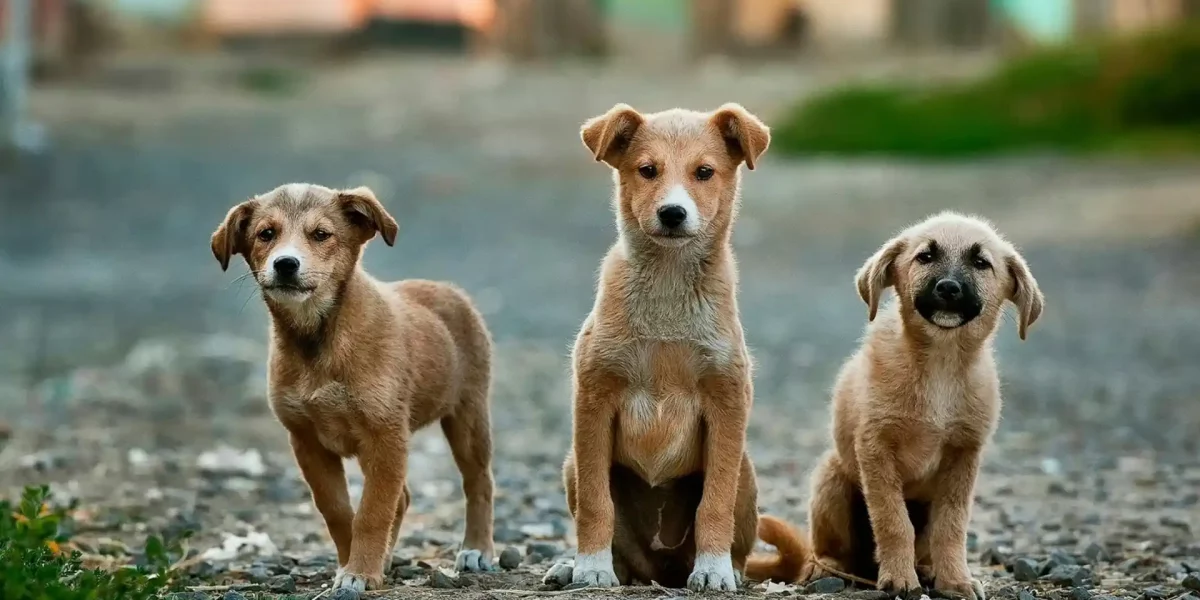
A lot of people do not plan to buy a foreign breed because they genuinely understand the breed. The decision usually starts somewhere else. A cute puppy video. A celebrity post. A neighbor walking a Husky during peak summer heat, while everybody pretends that it looks normal. Then suddenly the family wants the same thing at home.
A few months later, the conversation around indie dogs vs foreign breeds changed completely. The dog refuses long walks during summer afternoons. Skin issues start appearing. Grooming becomes expensive. The family begins rearranging daily life around the dog’s discomfort instead of the other way around. Nobody talks about that part enough.
That is why discussions around indie dogs vs foreign breeds feel more relevant now, especially inside Indian cities where heat, traffic, pollution, and apartment living create pressure many imported breeds were never meant to handle. The issue is not beauty or loyalty. It is suitable. People often confuse those things.
The Reality Shelters See Every Week
Animal rescue teams across Delhi-NCR see the pattern repeatedly. Foreign breeds arrive abandoned, neglected, or surrendered because owners underestimated long-term care. Some dogs suffer from breathing trouble. Others cannot tolerate outdoor conditions for more than a few minutes during summer.
Meanwhile, indie dogs continue waiting quietly inside shelters.
At KAW, rescued dogs arrive from roadsides, construction zones, highways, and crowded streets. Many come injured. Some arrive with maggot wounds or severe infections. A few survive road accidents. Yet after treatment and recovery, these same dogs adapt beautifully inside loving homes.
That difference says a lot.
The debate around indie dogs vs foreign breeds stops sounding theoretical once someone actually visits a rescue shelter.
Indie Dogs Already Know How To Live Here
People often forget something very obvious. Indian dogs evolved in Indian conditions.
That matters.
An indie dog already understands:
- Extreme summer heat.
- Sudden monsoon weather.
- Loud neighborhoods.
- Crowded streets.
- Dust exposure.
- Local food patterns.
- Human movement around markets and apartments.
Many imported breeds struggle with those conditions every single day. The dog may survive physically, though comfort matters too. A pet should not spend most of its life trying to escape the climate around it.
This is one reason conversations around indie dogs vs foreign breeds in India continue growing among adopters and veterinarians alike.
Some Foreign Breeds Suffer Quietly
A lot of suffering remains invisible.
A fluffy foreign breed sitting inside an air-conditioned room may still face stress during regular outdoor activity. Thick coats trap heat. Flat-faced breeds struggle with breathing. Humidity creates repeated skin trouble. Long fur demands constant maintenance.
Owners often normalize these problems because they become part of routine life.
Then something strange happens. Families who adopt indie dogs later realize how much easier daily care feels. Walks become simpler. Feeding becomes manageable. Veterinary visits are reduced. The dog appears more relaxed overall.
That shift changes how people view indie dogs vs foreign breeds.
Not emotionally. Practically.
KAW’s Rescue Dogs Tell A Different Story
At KAW, many rescued indie dogs arrive after surviving conditions most imported breeds would never withstand for long. Some recover from severe injuries. Others heal from trauma caused by neglect or abandonment. Yet after rehabilitation, they still show trust toward humans.
That resilience feels difficult to ignore.
Dogs like Adobe and Leader survived extreme medical conditions before reaching safety. Their recovery did not depend on luxury environments. It depended on treatment, patience, stability, and human care.
People searching online for the benefits of Indian street dogs often focus only on physical adaptation. The emotional strength of these dogs deserves equal attention.
A rescued indie dog usually understands survival before comfort enters its life.
Apartment Living Changes Everything
Many Indian families now live in apartments with limited outdoor space. That creates another issue people rarely discuss honestly.
Large imported breeds often need far more physical activity than urban families can realistically provide. Without enough stimulation, frustration builds. Some dogs become destructive. Others become anxious or withdrawn.
Indie dogs usually adapt faster to compact living environments.
They still need exercise and attention, though most manage Indian apartment lifestyles more naturally. That adaptability matters for working families balancing long office hours, traffic, and limited outdoor schedules.
The conversation around the best dogs for the Indian climate should also include the housing reality. Climate alone is not the only pressure.
Grooming Culture Has Changed Pet Ownership
There was a time when dogs simply lived alongside families. Now, pet ownership sometimes feels performative. Expensive grooming appointments, breed aesthetics, curated social media photos, imported accessories. The focus slowly shifts away from the dog itself.
And honestly, many animals pay the price for that shift.
Indie dogs rarely fit into glamour-driven pet culture. Perhaps that is why they remain overlooked despite being far better suited for Indian conditions.
The debate around indie dogs vs foreign breeds often exposes something uncomfortable about human behavior. People sometimes choose visual appeal over actual animal welfare.
That truth feels harsh, though shelters witness it constantly.
Medical Costs Keep Rising
Veterinary care across urban India has become expensive. Specialized treatment costs even more.
Foreign breeds often require repeated care for:
| Common Concern | What Families Usually Face |
| Skin irritation | Regular medication and shampoos |
| Heat stress | Restricted outdoor activity |
| Breathing trouble | Emergency visits during summer |
| Joint strain | Lifelong management |
| Dietary sensitivity | Controlled feeding routines |
Not every imported dog faces these issues. Still, the risk increases when a climate mismatch exists.
This is why discussions around Indian dog vs foreign dog comparison now include financial pressure alongside emotional factors.
Families eventually realize pet ownership should feel sustainable, not exhausting.
Indie Dogs Form Strong Emotional Bonds
Some people still assume indie dogs behave aggressively or remain difficult to train. Most rescue workers would disagree immediately.
An indie dog that finally feels safe often becomes deeply attached to its family.
At KAW, rehoming teams carefully observe temperament before adoption approvals. Many rescued indie dogs show strong emotional awareness around children, elderly people, and household routines. Some remain cautious initially because street survival taught them distrust. Once comfort develops, their attachment becomes very strong.
The phrase why adopt indie dogs matters because adoption is not charity. It is companionship.
And many adopters eventually admit they underestimated how emotionally intelligent indie dogs could be.
Indian Summers Are Becoming Harder Every Year
Summer conditions across India continue to become more difficult for animals. Pavements stay hot for hours. Humidity increases physical stress. Outdoor breathing becomes harder during peak afternoons.
Imported cold-weather breeds often struggle badly under these conditions.
People searching for the best dogs for the Indian climate should probably start by asking one uncomfortable question. Why force a dog into environmental discomfort for aesthetic preference?
That question changes perspective quickly.
Indie dogs have already adapted across generations to local weather patterns. Their bodies handle Indian conditions more naturally. They remain active without depending heavily on climate-controlled environments.
That difference shapes daily quality of life.
Adoption Changes More Than One Life
When families adopt indie dogs from rescue groups like KAW, the impact extends beyond one animal.
Adoption helps:
- Free shelter space for emergency rescues.
- Support long-term rehabilitation work.
- Reduce street suffering.
- Encourage responsible pet ownership.
- Shift public perception around indie dogs.
KAW already supports hundreds of resident and street animals through rescue operations, feeding programs, sterilization drives, treatment support, fostering, and rehabilitation efforts across Delhi-NCR. Adoption becomes part of that larger cycle of care.
And honestly, shelters need more people willing to look beyond breed labels.
What Actually Makes A Dog “Better”?
That answer depends on what someone truly wants.
If the goal is social validation, imported breeds may continue attracting attention. If the goal is emotional connection, adaptability, manageable care, and a healthier fit for Indian conditions, the answer often points elsewhere.
The conversation around indie dogs vs foreign breeds keeps growing because more people now experience both realities firsthand. They realize imported breeds are not automatically superior simply because they cost more.
A dog should feel comfortable inside its own environment.
That matters more than appearance.
More Families Are Finally Reconsidering
There was a time when indie dogs rarely entered adoption conversations seriously. That mindset is changing slowly. More families now understand that rescued Indian dogs often make calmer, stronger, and more adaptable companions for local households.
KAW continues working with rescued indie dogs that deserve stable homes after surviving abandonment, injury, hunger, or trauma. Their rehabilitation process focuses on trust, recovery, medical support, and safe rehoming. Families interested in adoption often discover that Indie dogs adjust naturally to Indian homes without the constant pressure many imported breeds experience.
Choosing adoption also supports rescue teams working daily to protect vulnerable animals across streets and shelters.