

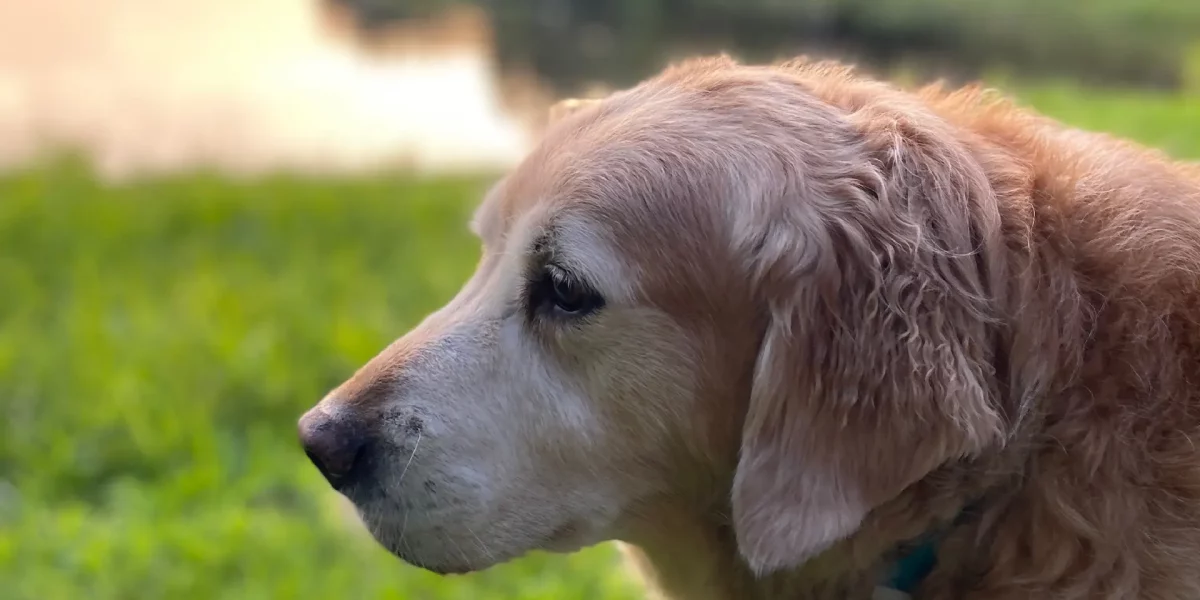
A grey-muzzled dog will love you just as hard as a puppy will, and usually with a lot less chewing. Senior dog adoption gets overlooked because most people walk into a shelter picturing a bouncy eight-week-old, not a calm seven-year-old who already knows how to sit. That instinct costs older dogs dearly. In shelters that track the numbers, senior dogs (roughly seven years and up) are adopted at a fraction of the rate of younger ones, and they wait far longer for a door to open.
At KAW’s sanctuary near Delhi, some of the gentlest residents are the oldest ones. This is a case for giving them a second look.
Why senior dog adoption gets overlooked
Mostly, it’s fear dressed up as practicality. Adopters worry about vet bills, about heartbreak, about “not having enough time.” So they scroll past the older faces.
The numbers show how lopsided this gets. The ASPCA found that senior dogs have a lower adoption rate than all other age groups combined, and a live release rate of just over 50%, against roughly 75% for younger dogs (ASPCA data, cited in the Grey Muzzle and Maddie’s Fund “Saving Seniors” report). Widely reported shelter figures put senior adoption near 25%, compared with about 60% for younger dogs and puppies. And it isn’t fixing itself. Shelter Animals Count reported senior dog adoptions slipping around 2% in 2025 even as overall dog adoptions held steady.
In India the bias has a second layer. A lot of adopters still arrive asking for a pedigree pup, so the dogs who wait longest of all are older indies, the mixed-breed street survivors who make up the bulk of KAW’s kennels. Two strikes: not a puppy, not a “breed.” Those are exactly the dogs KAW ends up caring for the longest, and exactly the ones this article is about.
Here’s the quiet tragedy inside that data. Most of these dogs weren’t failures. They landed in shelters because a human’s life changed, an elderly owner passed away, a family emigrated, a landlord said no. The dog did nothing wrong. It just got old while nobody was planning for it.
What even counts as a “senior” dog?
There’s no single birthday that flips the switch. Vets treat a dog as senior in the last quarter of its expected lifespan, which the American Animal Hospital Association frames as roughly the final 25% of life through old age.
Size drives the timing. A big dog might be senior at seven or eight. A small one may not qualify until eleven or twelve.
That gap matters a lot in India, because the Indian Pariah, the indie or desi dog that makes up most of KAW’s adoptable crowd, is famously hardy and often lives 12 to 16 years. So a seven-year-old indie labelled “senior” on a listing may have the better part of a decade left. You’re not adopting a goodbye. You’re adopting a middle-aged dog with grey on the chin.
The honest upsides nobody mentions
Puppies are a project. Senior dogs are, frankly, easier, and I’ll defend that.
Most older dogs are already house-trained. They’ve usually met leashes, doorbells, children and traffic, so the jump-scares of early life are behind them. Their personality is set. What you meet is what you get. A shy dog stays gentle; a cuddler keeps cuddling. There’s no lottery about how big they’ll grow or whether the temperament turns.
That predictability is a real gift, for first-time adopters, for families with small kids, and for older people who want a companion rather than a whirlwind. A senior dog is often content with two calm walks and a warm spot by your feet. They slot into a working household instead of demolishing it.
And they seem to know they’ve been rescued. Anyone who has spent time in rehoming will tell you the same thing: older dogs tend to arrive grateful, and they settle fast.
The part I won’t sugar-coat
You’ll probably have fewer years. That’s the real cost, and it’s only fair to name it plainly.
You may also meet health bills earlier. Older joints, older teeth, the occasional lump to check are more common with age. Around 80% of dogs over eight show signs of osteoarthritis, so some stiffness is closer to a given than a surprise. But budget for two vet visits a year and the odd dental clean, and most of the “surprises” get small and manageable.
Weigh it honestly, though. Fewer years with a settled, loving dog can be richer than a decade of chaos with one you never quite clicked with. Plenty of adopters say the short chapters were the best ones they ever had.
Caring for a senior dog, day to day
Good senior dog care isn’t complicated. It’s mostly attention plus a few small adjustments. Here’s the shape of it.
| Care Area | What Changes with Age | What Helps |
| Diet | Metabolism slows, and muscle mass is easier to lose. | Feed a senior-formula diet with slightly fewer calories and high-quality protein. Keep your dog at a healthy weight. |
| Joints & Mobility | Osteoarthritis becomes common after around 8 years of age. | Include omega-3 fatty acids and vet-recommended glucosamine/chondroitin, provide gentle daily walks, and use non-slip mats on smooth floors. |
| Vet Check-ups | Health conditions can develop and progress more quickly. | Schedule a full veterinary check-up every 6 months instead of annually, including baseline blood tests. |
| Comfort at Home | Dogs spend more time resting and may experience stiff, painful joints. | Provide an orthopedic or firm bed, a warm draught-free sleeping area, and ramps or steps to help them reach furniture safely. |
| Dental Care | Tartar buildup and gum disease become more common. | Brush teeth regularly or use dental chews, and arrange professional dental cleaning when recommended by your veterinarian. |
| Weight Management | Extra body weight puts additional strain on aging joints. | Weigh your dog every month and adjust food portions early to maintain a healthy body condition. |
| Mental Well-being | Senior dogs may become anxious, confused, or less mentally active. | Maintain a consistent daily routine, provide short sniff walks, and use simple enrichment games to keep their minds engaged. |
None of that needs a specialist. A decent local vet, a firm mattress and a bit of routine will cover most of it.
“Old dogs can’t bond” is just wrong
They bond. Fully, and often fast. This is the myth that keeps good dogs waiting, and the evidence flatly disagrees with it.
Studies of shelter dogs and adult working dogs show they readily form new, secure attachments to new people. The capacity to attach to a human doesn’t switch off with age. Adult dogs adopted from rescues learn to pick out their person and prefer them over a friendly stranger, the same secure-base behaviour you see in a young pup. Grey fur, new heart.
KAW sees this at its Sohna sanctuary, where lifelong residents, some of them elderly, greet volunteers like old friends. The organisation’s senior dogs have featured in its DD National coverage precisely because those bonds are so visible on camera. An older dog who came through a hard start tends to attach hard to the person who finally makes life soft.
FAQs
No. A seven-year-old, especially an Indian Pariah, may have five to nine good years ahead. You’re adopting a settled adult, not a dog at the end of the road.
Usually the opposite. Most already know house manners and basic cues, and the old line about old dogs and new tricks isn’t true. They learn well when the reward is right, just at a calmer pace.
Sometimes, mainly on health. Plan for two vet check-ups a year, joint support if it’s needed, and dental care. Day to day, a calm senior often costs less in chewed shoes and less in your energy than a puppy does.
Yes. KAW’s virtual parent programme lets you sponsor the care of a specific sanctuary resident, and meal sponsorships feed the dogs who are still waiting for a home.
Keep it quiet and predictable. Book a baseline vet visit early so you know the starting point on joints, teeth and weight, set up one warm bed in a low-traffic corner, and hold to steady meal and walk times. Let the dog come to you rather than crowding it. Most settle within days once they trust the routine.
You fill out an application, a volunteer follows up within about two weeks and arranges a home check, and approved adopters meet the dog at the Sohna sanctuary. There’s a 14-day adjustment window afterwards, so both sides are sure before it’s final.
Give an old dog the ending it earned
If you’ve read this far, you’re probably exactly the kind of person a senior dog needs. So adopt the older one. The trained, calm, grateful dog that everyone else scrolled past is the one who will turn your home into their whole world for whatever time you get to share.
Meet the dogs waiting now on KAW’s adopt a dog page. If adopting isn’t possible today, become a virtual parent to an older sanctuary resident, or back the work with a donation from India. You can also message KAW’s team on WhatsApp at +91-9999670042 to start a conversation about the dog who’s right for you.