

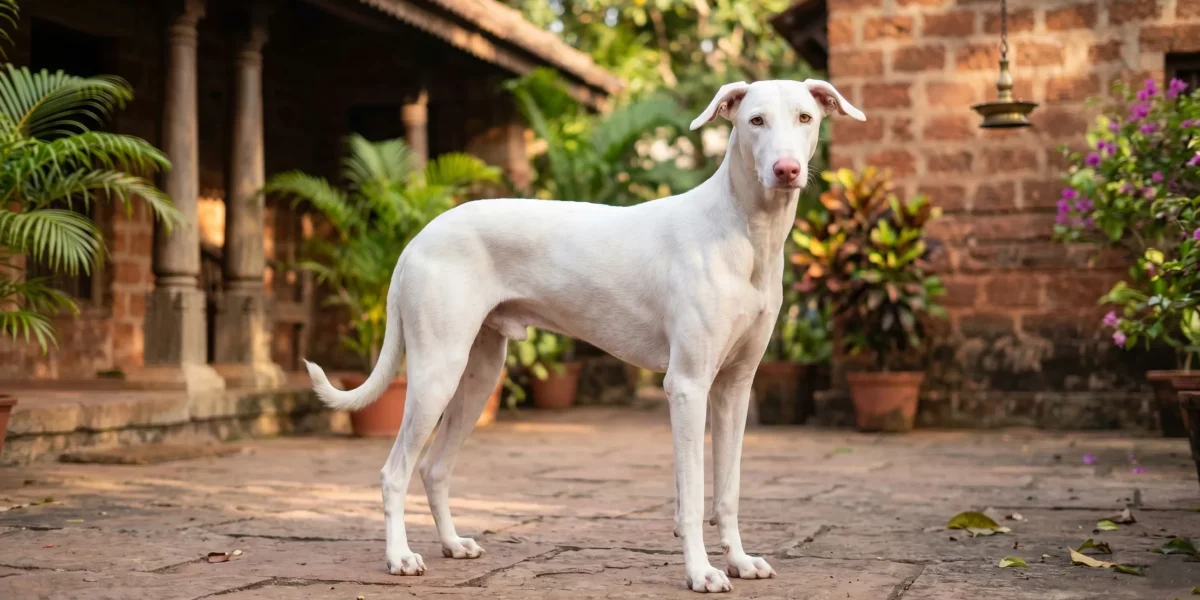
Big dogs bring big love – and big responsibility. Whether you’re considering a German Shepherd, a Great Dane, or a large mixed-breed rescue, size changes everything: how much they eat, how they’re trained, what they’re prone to health-wise, and how much space and budget they realistically need.
At Kannan Animal Welfare (KAW), we see a pattern every year: large dogs are the hardest animals in our care to place in homes, and the most expensive to feed and treat. A 35-kg dog doesn’t just need more food – it needs bigger medication doses, costlier surgeries, and an adopter willing to commit to years of higher-than-average care. This guide covers the large breeds people in India most often ask about, what care actually costs, and why a large rescue dog might be the most rewarding – and most overlooked – adoption you’ll ever make.
Right now, Hunter – a large German Shepherd in our care is waiting for exactly that kind of home.
What “Large Breed” Actually Means for Care
Before the breed list, here’s what changes once a dog crosses roughly 25 kg:
- They grow fast, but mature slow. Large breeds often reach full height by 12–18 months but don’t finish filling out – bones, joints, and muscle – until 2 years old. Over-exercising a growing large-breed puppy is one of the most common causes of lifelong joint problems.
- Food costs scale directly with weight. A 40-kg dog can eat 3–4x what a 12-kg dog eats. This is the single biggest recurring cost of large-breed ownership – and the single biggest recurring cost for shelters like KAW too.
- They’re prone to specific health issues. Hip and elbow dysplasia, bloat (gastric torsion – a genuine emergency), and joint degeneration are far more common in large and giant breeds than small ones.
- Shorter average lifespan. Most giant breeds live 8–12 years, compared to 12–16 for small breeds – a hard truth that also means large senior rescues need extra-committed adopters.
- Training and space aren’t optional. A boisterous 40-kg dog jumping up is a genuinely different proposition than a boisterous 5-kg dog doing the same thing. Early, consistent training is non-negotiable, not a nice-to-have.
Large & Giant Breeds Commonly Found or Adopted in India
German Shepherd
One of the most popular large breeds in Indian households, prized for intelligence, trainability, and loyalty. Needs daily structured exercise and mental stimulation – an under-stimulated GSD becomes a destructive or anxious one. Prone to hip dysplasia in later years; a joint-supportive diet from adulthood onward helps significantly. Weight: 25–40 kg | Life expectancy: 9–13 years
Rottweiler
Powerful, protective, and deeply loyal to family once properly socialised. Needs an experienced, confident handler and early training – this is not a first-large-dog breed for a nervous or inconsistent owner. Prone to joint issues and heart conditions; regular vet checks matter more than with most breeds. Weight: 35–60 kg | Life expectancy: 8–10 years
Labrador Retriever
Technically a large breed, though its friendly, food-motivated nature makes it feel far more manageable than its size suggests. Prone to obesity (portion control is essential) and hip dysplasia. Excellent with families and children when exercised daily. Weight: 25–36 kg | Life expectancy: 10–12 years
Boxer
Energetic, playful, and famously good with children – often called a “big kid in a dog’s body.” Needs significant daily exercise to stay calm indoors. Prone to heart conditions and, being brachycephalic-adjacent, can struggle in Delhi’s peak summer heat. Weight: 25–32 kg | Life expectancy: 10–12 years
Great Dane
One of the tallest breeds in the world despite a surprisingly gentle, calm temperament – hence the nickname “gentle giant.” Reaches full height fast but needs years to finish maturing; over-exercise as a puppy causes lasting joint damage. Prone to bloat – feeding smaller, multiple meals rather than one large one is strongly advised. Weight: 45–90 kg | Life expectancy: 8–10 years
Saint Bernard
Calm, patient, and historically bred for mountain rescue work – not naturally suited to India’s heat, and needs a cool, shaded environment and careful summer management if kept here. Thick coat requires regular grooming. Weight: 55–82 kg | Life expectancy: 8–10 years
Doberman
Sleek, athletic, and highly trainable, with a sharp protective instinct balanced by real affection for its family. Needs daily vigorous exercise and consistent training from puppyhood. Prone to heart conditions (dilated cardiomyopathy) – regular cardiac screening is worth the cost for this breed. Weight: 27–45 kg | Life expectancy: 10–13 years
Tibetan Mastiff
A large, independent guardian breed with thick double coat, historically bred for the cold high-altitude Himalayas – a genuinely difficult fit for hot Indian plains climates without careful management. Requires an experienced, patient owner. Weight: 45–72 kg | Life expectancy: 10–14 years
Bullmastiff
A calm, powerful, low-key guardian breed – quieter and less demanding of exercise than many large breeds, but still needs firm early training. Prone to joint issues and, like other large deep-chested breeds, bloat. Weight: 45–59 kg | Life expectancy: 8–10 years
The Breed Most People Overlook: The Large Indian Mixed-Breed Rescue
Every large breed above has a well-documented profile, a breed club, and a predictable temperament. But India’s shelters are full of large dogs who don’t fit neatly into any of those categories – Indian Pariah mixes, GSD crosses, and street-dog-lineage dogs who simply grew big.
These dogs are, breed-for-breed, some of the most overlooked animals in Indian rescue. People searching “large dog breeds” are usually shopping for a specific look or pedigree – and large mixed-breed rescues get passed over entirely, despite often being healthier (hybrid vigour reduces hereditary joint and heart conditions), cheaper to acquire, and just as loving as any purebred.
Hunter, a large German Shepherd currently in KAW’s care, is exactly this kind of dog – ready for a home that has the space and heart for a big dog.
Why Large Rescue Dogs Are the Hardest to Place – and the Costliest to Care For
This is the part a pet-food blog won’t tell you, because it isn’t selling anything here – it’s just true:
- Adopters overwhelmingly prefer small and medium dogs, especially in apartment-dominated cities like Delhi. Large dogs, purebred or mixed, wait significantly longer for adoption.
- Feeding a large dog costs 3–4x more than feeding a small one – a cost KAW absorbs for every large dog in our care, for as long as it takes to find them a home.
- Medical treatment scales with body weight. Anaesthesia, medication dosages, and surgical costs are all higher for large dogs – which is why several of our ongoing medical campaigns involve larger animals needing significant, costly care.
- Every month a large dog waits in shelter care is a real, ongoing cost – one that a monthly donor or virtual parent directly offsets.
Meet Hunter – And the Other Big Dogs Waiting for Home
Large dogs give large love, but they’re too often the last to be chosen. If you have the space, the budget, and the heart for a big dog, meet Hunter – or browse our full adoption list to see who else is waiting.
Meet Hunter and start an adoption →
Sponsor meals for our large-breed rescues →
FAQs
The Labrador Retriever is generally the most forgiving large breed for first-time owners – food-motivated, easy to train, and even-tempered. Among rescues, a well-socialised large mixed-breed dog assessed and prepared by a shelter (with known temperament) is often an even better fit than an unpredictable purebred puppy.
It depends more on the individual dog’s energy level than pure size. Great Danes are famously calm indoors despite their height. High-energy breeds like German Shepherds, Boxers, and Dobermans need daily vigorous exercise regardless of living space – an apartment isn’t automatically disqualifying if you can commit to that.
Depending on the food quality and the dog’s weight, expect meaningfully higher costs than a small-breed dog – often 3–4x. This is exactly why large dogs in shelter care, including several at KAW, rely on meal sponsorships to stay fed while they wait for adoption.
Space concerns, higher food costs, and a general adopter preference for smaller, “manageable” dogs all contribute. It’s an unfortunate cycle: the dogs that cost the most to keep are also the ones that take the longest to place – which is exactly why they need donor support in the meantime.
Yes. You can sponsor a meal, become a virtual parent to a specific dog in our care, or donate directly toward the higher food and medical costs large dogs require.