

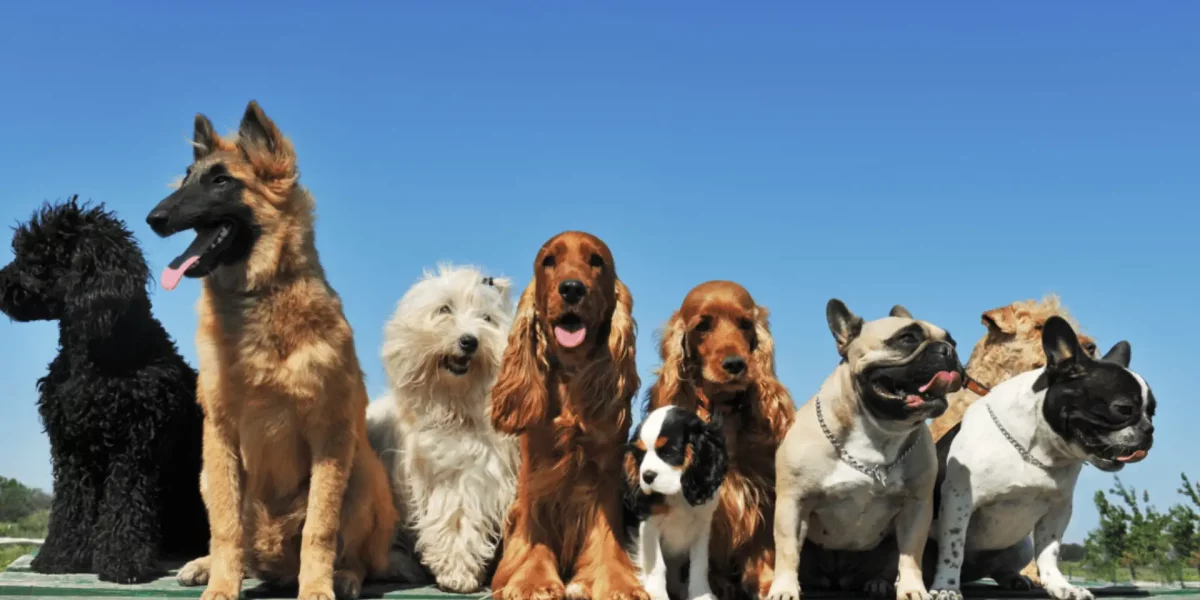
Choosing a dog is an emotional moment for most families. But choosing the right dog breed is a decision that affects the next 12 to 15 years of your life. In India, many people bring dogs home based on looks, trends, or advice from friends—without fully understanding whether that dog breed is actually suitable for Indian weather, living spaces, and daily routines.
This is why you often see dogs struggling with health problems, anxiety, obesity, or behavioral issues. Not because the owners don’t care, but because the dog breed was never a good match in the first place.
This guide is written to help you understand dog breeds from a practical, Indian, real-life perspective. Instead of listing hundreds of breeds like international websites do, this blog focuses on what truly matters: climate, lifestyle, cost, temperament, and long-term responsibility.
If you are planning to get a dog—or already have one—this guide will help you make informed, responsible decisions.
What Are Dog Breeds and Why They Matter More Than People Realize
Dog breeds are not just categories based on size or appearance. Each dog breed was originally developed for a specific purpose—guarding property, herding animals, hunting, pulling loads, or simply providing companionship.
Over generations, these purposes shaped a breed’s:
- Energy levels
- Temperament
- Intelligence
- Trainability
- Physical structure
- Health tendencies
For example, a herding dog naturally wants to stay active and alert, while a companion breed may crave human attention more than physical work. When these natural traits are ignored, dogs often develop stress-related behaviors such as excessive barking, chewing, aggression, or withdrawal.
Understanding dog breeds helps you predict:
- How much exercise a dog actually needs
- Whether it will adapt to apartment living
- How it will behave with children or elders
- How much grooming and medical care it may require
Ignoring breed characteristics is one of the most common reasons dogs and owners struggle together.
Why Choosing the Right Dog Breed Is Especially Important in India
Many online guides about dog breeds are written for Western countries. But India is very different, and this difference matters more than people realize.
Indian realities that directly affect dog breeds:
- Summer temperatures often exceed 40°C
- High humidity in many regions
- Dust, pollution, and noise in urban areas
- Small apartments with limited green spaces
- Long working hours and traffic-heavy lifestyles
A dog breed that thrives in Europe or North America may suffer silently in Indian conditions. Dogs cannot tell you when they are uncomfortable. Instead, their discomfort shows up as health problems or behavioral issues.
Choosing the right dog breed in India is not just about convenience—it is about animal welfare.
Dog Breeds and the Indian Climate: The Uncomfortable Truth
One of the least discussed topics in pet blogs is climate suitability. Many popular dog breeds are not naturally built for Indian weather.
Dog breeds that often struggle in Indian summers:
- Thick double-coated breeds
- Dogs bred for cold climates
- Flat-faced (brachycephalic) breeds that have breathing issues
These dogs are at higher risk of:
- Heatstroke
- Respiratory distress
- Skin infections
- Reduced activity and appetite
Dogs that adapt better to Indian climate generally have:
- Short or medium coats
- Leaner body structure
- Better heat tolerance
- Moderate exercise needs
This is where Indian native dog breeds naturally outperform many foreign breeds.
Popular Dog Breeds in India – Beyond the Marketing Image
Certain dog breeds are extremely popular in India, often because they are seen frequently in movies, advertisements, and social media. However, popularity does not always reflect suitability.
Labrador Retriever
Labradors are friendly, social, and intelligent, which makes them great family dogs. However, they are also high-energy dogs. Many Labradors in India suffer from obesity because their exercise needs are underestimated.
German Shepherd
German Shepherds are intelligent and loyal, but they are not beginner dogs. They require training, mental stimulation, and consistent leadership. Without this, they may develop anxiety or aggression.
Golden Retriever
Golden Retrievers are gentle and affectionate, but their thick coat requires regular grooming. In hot climates, they need careful temperature management.
Beagle
Beagles are often chosen because of their size, but they are vocal, curious, and require regular physical activity. They are not as low-maintenance as many people assume.
Pug
Despite being marketed as easy pets, Pugs are highly sensitive to heat and prone to breathing problems. In Indian summers, they require extra care and often air-conditioned environments.
Understanding the real needs of popular dog breeds helps prevent future problems.
Indian Native Dog Breeds: Practical, Ethical, and Highly Adaptable
Indian native dog breeds are often overlooked because they are not promoted commercially. However, from a health and adaptability standpoint, they are among the best dog breeds for Indian homes.
Why Indian dog breeds make sense:
- Naturally adapted to Indian climate
- Strong immunity due to natural selection
- Low grooming requirements
- Lower veterinary expenses
- Emotionally intelligent and loyal
Common Indian Native Dog Breeds:
- Indian Pariah Dog – Highly adaptable, intelligent, and loyal
- Kombai – Strong guard instincts, requires experienced handling
- Rajapalayam – Protective and dignified, good watchdog
- Chippiparai – Athletic and low-maintenance
- Mudhol Hound – Calm indoors, active outdoors
Many of these dogs are available through shelters and adoption centers. Choosing an Indian breed is often both a practical and ethical decision.
Common Mistakes People Make While Choosing Dog Breeds in India
This is where most dog owners go wrong.
1. Choosing a Dog Based Only on Looks
Social media shows only the cute moments, not the effort behind them. Grooming, training, and vet visits are rarely visible online.
2. Ignoring Climate Compatibility
Dogs suffer silently in heat. Constant panting, lethargy, and loss of appetite are signs of discomfort.
3. Underestimating Exercise Needs
A tired dog is a well-behaved dog. Lack of exercise leads to frustration and destructive behavior.
4. Assuming Small Dogs Are Easy
Small dog breeds often require more grooming and can develop anxiety if not trained properly.
5. Avoiding Adoption Due to Myths
Many people wrongly believe adopted dogs are difficult to train. In reality, many indie dogs are highly intelligent and resilient.
Avoiding these mistakes improves both the dog’s quality of life and your own.
Dog Breeds Comparison: A Practical View
| Dog Breed | Heat Tolerance | Maintenance | Beginner Friendly | Monthly Cost (Approx.) |
| Labrador Retriever | Moderate | Medium | Yes | Medium |
| German Shepherd | Moderate | High | No | High |
| Beagle | Moderate | Medium | Yes | Medium |
| Pug | Low | High | No | High |
| Indian Pariah Dog | High | Low | Yes | Low |
This table highlights why adaptability and maintenance matter more than popularity.
Which Dog Breed Is Right for You? A Real Decision Guide
Before choosing a dog breed, ask yourself honestly:
- How much time can I give daily for walks and play?
- Do I live in an apartment or independent house?
- Can I afford long-term medical care?
- Am I prepared for a 10–15 year commitment?
- Do I have experience handling dogs?
Practical Recommendations
- First-time owners: Indian Pariah Dog, Labrador (with time commitment)
- Apartment living: Medium-sized, calm dog breeds
- Working professionals: Independent, adaptable breeds
- Families with children: Patient, friendly breeds
- Low budget households: Indian native dog breeds
Choosing based on lifestyle-not emotion-leads to long-term success.
The Real Cost of Owning Different Dog Breeds in India
Many people focus only on the initial cost of buying a dog. This is a mistake.
Monthly and Annual Expenses Include:
- Quality food and nutrition
- Vaccinations and vet check-ups
- Grooming and hygiene
- Emergency medical care
- Training and accessories
Large or high-maintenance dog breeds can cost ₹5,000–₹10,000 or more per month. Indian dog breeds generally have lower recurring costs.
Understanding this beforehand prevents financial stress later.
Dog Breeds, Adoption, and Ethical Ownership
Adoption is not just an emotional decision—it is a responsible one. Many shelters house healthy, vaccinated dogs that are already accustomed to Indian conditions.
Adopted dogs often show:
- Strong bonding with families
- High adaptability
- Gratitude-driven loyalty
Adoption also helps reduce the growing stray population and discourages unethical breeding practices.
FAQs
Yes. Many Indian breeds are loyal, intelligent, and excellent family companions.
Adoption is often healthier, more ethical, and more practical in India.
Yes. Training is essential for all dog breeds, regardless of size.
Indian native breeds and heat-tolerant dogs adapt best.
Only with proper time, training, and commitment.
Conclusion
Dog breeds are not fashion accessories or temporary companions. They are living beings with physical and emotional needs that last for years.
The right dog breed will adapt to your lifestyle and environment. The wrong one will struggle despite love and good intentions.
If you take the time to understand dog breeds properly—especially in the Indian context—you don’t just get a pet. You gain a loyal companion who thrives with you.