

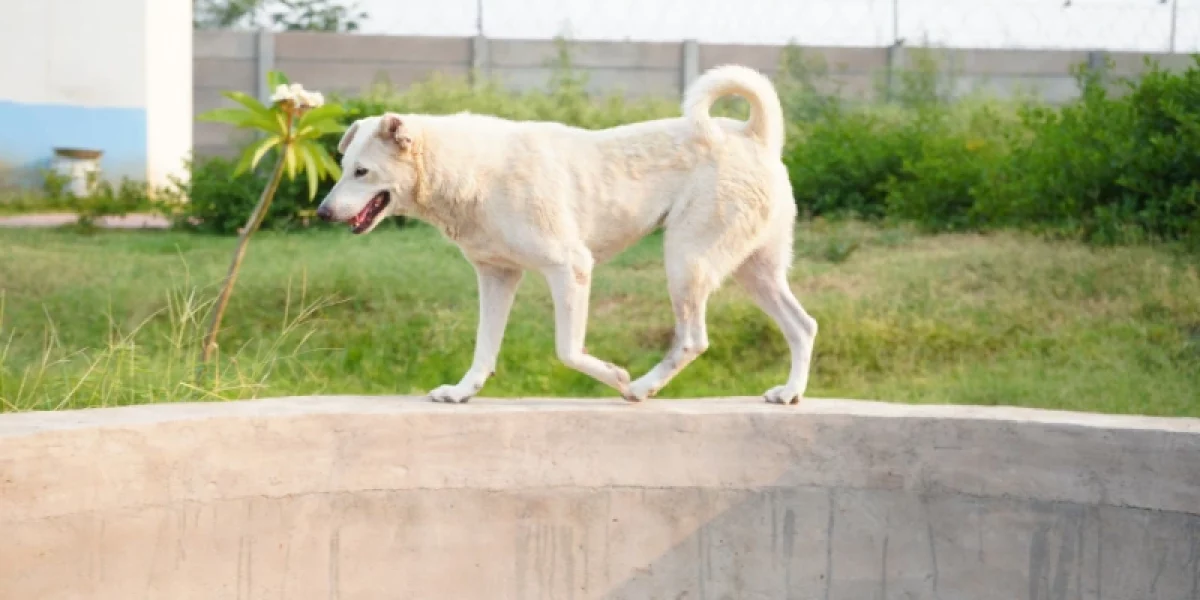
Here’s the honest version. Most days, animal NGO volunteering looks like a bucket, a hose, and a stack of wet towels, not a photo op with a rescued puppy. The dogs get fed. The kennels get scrubbed. And somewhere in the middle of all that, you fall a little in love.
Volunteering with an animal NGO is mostly ordinary, repetitive work, and it matters more than the glamorous version ever could. At Kannan Animal Welfare (KAW) in Kapashera, on the Delhi-Haryana edge, roughly 160 permanent residents live on a two-acre sanctuary built in 2023. Across all of KAW’s work, about 256 sheltered animals and 200-plus street dogs get fed every single day. None of that happens by magic. It happens because people show up.
What a typical day of animal NGO volunteering actually looks like
Feeding and cleaning. That’s the spine of every shelter day, and KAW’s Kapashera sanctuary is no different.
Mornings start with food and a kennel shuffle. You move a dog to one side of its space, scrub and disinfect the other side, then move it back onto the clean part to eat and take any medication while you finish the rest. Bowls get washed. Water gets changed. Bedding soiled overnight becomes the day’s laundry, and there is always laundry. The washing never really stops.
Then there’s the walking. Some dogs are easy and pull you toward the gate, tail going like a metronome. Others are not. A dog that came in after being hit by a car, or spent months chased off the streets, may flinch when you reach for the leash. Walking a nervous dog is slow, quiet work. You crouch, you wait, you let it decide. Progress on a Tuesday might be that the dog took two steps closer than it did on Monday. That counts. That’s the job.
There are meds to give, wounds for the medical team to check, and a floor to mop because a puppy did what puppies do. It’s not cinematic. It’s deeply useful.
The unglamorous work nobody posts about
Laundry, dishes, poop-scooping, disinfecting drains. If a task sounds boring, a shelter needs it done, probably twice a day.
I’ll be blunt about why this matters. A clean kennel is the difference between a recovering dog and a sick one. Parvo and distemper spread fast in crowded spaces, so the mopping you find tedious is actually infection control. When you wash forty food bowls, you are not doing busywork. You’re keeping a dog with a healing leg, like the ones KAW runs medical fundraisers for, from picking up something that undoes weeks of treatment.
Most volunteers who quit in the first month quit here, at the unglamorous part. The ones who stayed made peace with the bucket early.
The skilled help an animal NGO actually needs
Feeding and cleaning are the baseline, but a small NGO runs on skills it usually can’t afford to hire for. If you can shoot a decent photo, run a fundraiser, drive, or manage an Instagram account, you are worth your weight in dog food.
Good photos are a genuine bottleneck. A blurry phone picture and a sharp, well-lit portrait of the same dog get wildly different adoption interests. KAW rehomes Indian Pariah dogs, the hardy desi breed most people scroll past, and honestly, a good photo is often what makes someone stop scrolling. Fundraising is the other big one. Every rescue on KAW’s site, a dog named Maya who dragged herself to safety after an accident, a Nirad learning to walk again, is a live medical bill that someone has to help fund.
Here’s roughly where different skills fit.
| Way to Help | What It Actually Involves | A Good Fit If You… | Typical Time Commitment |
| Feeding and Kennel Care | Feeding dogs, cleaning kennels, doing laundry, washing bowls, and basic handling | Don’t mind physical work and getting your hands dirty | Weekly, 3–4 hours |
| Dog Walking and Socialising | Walking dogs, spending time with shy dogs, and gentle play | Are patient and calm around anxious animals | Weekly, 2–3 hours |
| Photography and Video | Taking photos of adoptable dogs and editing short videos | Have a camera or smartphone and enjoy photography | Flexible, including remote work |
| Social Media | Writing captions, creating reels, and responding to adoption inquiries | Spend time on Instagram or other social platforms | Remote, a few hours per week |
| Fundraising | Organizing medical fundraising campaigns and reaching out for corporate CSR support | Are organized and confident in asking for donations or support | Remote or on-site |
| Driving for Rescues | Transporting injured animals to veterinary clinics and handling rescue trips | Have a vehicle and can stay calm in emergencies | On-call, as needed |
| Fostering | Providing temporary shelter for a dog or litter at home | Have enough space and can care for a dog until adoption | Several weeks at a time |
Notice how much of that can be done without ever scrubbing a kennel. Skilled remote help is real help.
The part nobody warns you about: it’s emotionally hard
This is the honest bit, and I won’t dress it up. Not every animal makes it. You’ll meet dogs who came in too broken to save, and you’ll be there on the bad-news days.
Shelter work sits close to grief. A rescue that seemed to be recovering can crash overnight, or a senior dog you fed every week dies of old age. The flip side is real too: the paralysed dog that walks, the terrified one that finally leans into your hand, the family abroad that adopts a Kapashera street pup. KAW has rehomed dogs to homes overseas. Both of these things live in the same building, on the same day, and you learn to hold them together.
If you go in expecting only the happy version, the hard days will knock you flat. Go in knowing, and you’ll last. The ones who burn out usually assumed it would be easy.
How to start, and what to actually wear and bring
Signing up is simple. KAW has a volunteer form that asks you to list at least three specific ways you’d like to contribute and a daily, weekly, or monthly breakdown of the time you can give. Tellingly, the form says the team looks for commitment over previous experience. You do not need to know anything about dogs to start. You need to keep showing up.
For your first day, dress for mess: closed-toe shoes you don’t mind ruining, clothes you can throw straight in the wash, long trousers if you’ll handle larger dogs. Skip the perfume, since strong smells stress animals out, and leave your own pet at home. Bring water, more than you’d think for a Delhi summer. Expect an orientation on safety, basic handling, and how the shelter runs before anyone hands you a leash.
Can you volunteer with an animal NGO remotely?
Yes, and it’s more valuable than most people assume. You can help an animal NGO without setting foot in the shelter by taking on fundraising, social media, content writing, or design from home.
KAW’s virtual parent programme lets you sponsor a specific resident dog you may never meet in person. You can run a birthday fundraiser, translate posts, research CSR leads, edit adoption videos, or sponsor a day’s meals. For someone in another city, or an overseas donor who loves these dogs from afar, remote volunteering is the whole relationship, and it keeps the lights on.
Why showing up every week beats one big visit
One heartfelt Sunday is lovely. Fifty ordinary ones change an animal’s life. Consistency is the single most useful thing a volunteer can offer, far more than a one-off burst of enthusiasm.
There’s a practical reason. A fearful dog learns to trust through repetition, the same face at the same time, week after week. A volunteer who shows up once, however kind, is just another stranger to a traumatised animal. It’s telling that KAW’s own form asks for your daily and weekly availability, not whether you can spare a single afternoon. Be counted on, even if it’s only three hours every Saturday, and you become part of the machinery that keeps rescue running.
Frequently asked questions
No. KAW’s volunteer form states plainly that the team values commitment over previous experience. Orientation and staff will teach you the handling and safety basics. Willingness to turn up and do the boring work matters more than a CV full of animal know-how.
It varies, but most shelters prefer a regular weekly slot over occasional visits. KAW asks you to spell out a daily, weekly, or monthly breakdown so they can assign tasks that suit you. A fixed few hours a week, kept up, is genuinely useful.
Absolutely. Plenty of the most-needed roles never involve wrangling a big dog: photography, social media, fundraising, content writing, driving, and admin all count. You can help meaningfully without lifting a single water bucket.
Yes. Remote volunteering through social media, fundraising, design, or KAW’s virtual parent and sponsor-a-meal programmes lets you support the Kapashera animals from anywhere.
Fill in the volunteer form on the KAW website, or message the team on WhatsApp at +91-9999670042. You can also visit the sanctuary first, before committing.