

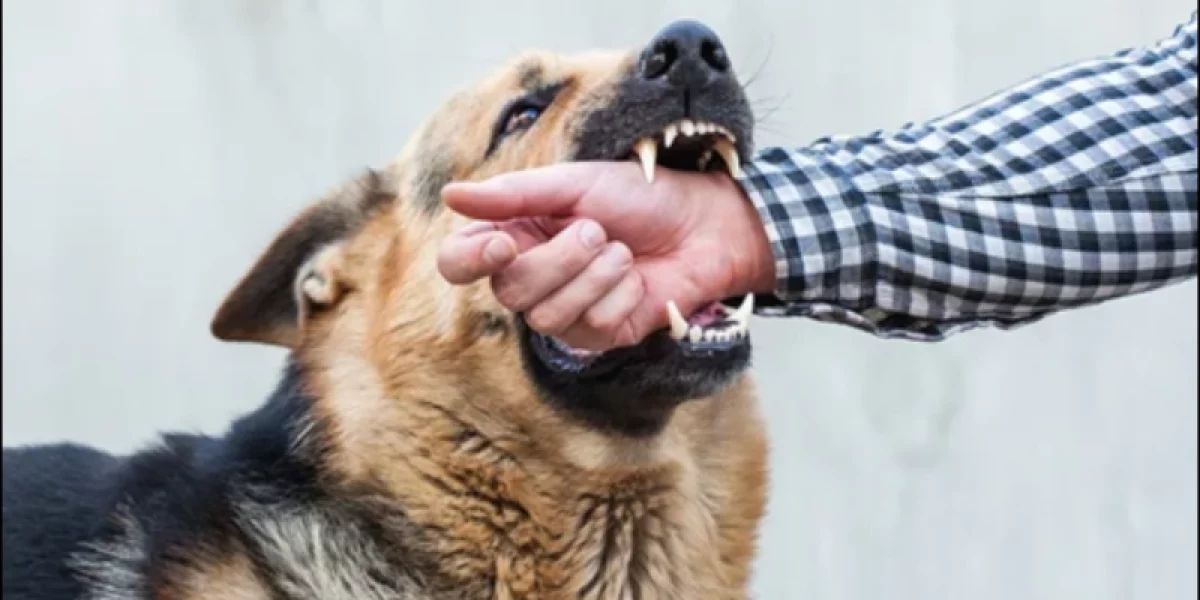
If a dog bites or scratches you, wash the wound with soap and running water for a full 15 minutes, then get to a doctor the same day for the anti-rabies vaccine. Do that, and dog rabies is almost entirely preventable. Skip it, and you are gambling with a disease that kills nearly everyone once symptoms begin.
That is the whole message. Everything below explains it.
Rabies is one of the oldest diseases we know, and one of the most lopsided. Once the virus reaches the brain and symptoms show up, it is virtually 100% fatal. Yet before that point, a course of vaccine stops it cold. India sits at the sharp end of that gap. The country accounts for an estimated 36% of the world’s rabies deaths, with roughly 18,000 to 20,000 people dying each year, and dogs are behind the overwhelming majority of cases.
The stakes are real. So is the confusion about what to do, and some of that confusion gets people killed.
How bad is India’s dog rabies problem?
India carries the heaviest rabies burden of any country on earth. The government reported more than 3.7 million dog-bite cases in 2024 alone, and bites climbed nearly 70% between 2022 and 2024 according to the national disease surveillance system. Worldwide, the WHO estimates around 59,000 rabies deaths a year, and dogs cause up to 99% of human cases.
One pair of numbers is worth sitting with. Officially, India recorded 54 suspected human rabies deaths in 2024. The modelled estimate is 18,000 to 20,000. That gap is not a contradiction. It is underreporting. Most rabies deaths happen quietly, at home, in villages and poorer city pockets, without a lab test or a death certificate that names the cause. Children pay the highest price. About 40% of rabies deaths worldwide are in kids under 15, who get bitten on the face and hands and often say nothing to an adult.
The myths that get people killed
Rabies survives on bad information as much as on the virus. Three beliefs, in particular, do real damage.
The first: every street dog is a rabies threat. Most are not. A dog with settled territory that has been vaccinated cannot transmit rabies, and the calm animals dozing on your lane are not the danger. Rabid dogs behave abnormally. They look disoriented, unusually aggressive or oddly withdrawn, they drool, they struggle to swallow. Treating all strays as infected fuels cruelty and relocation, which, as India’s own experience shows, makes rabies harder to control rather than easier.
The second myth is quieter and deadlier: that a small scratch, or a lick, is nothing. It can be everything. The virus travels in saliva and slips in through broken skin or the moist tissue of your eyes, nose and mouth. A minor scratch that barely bleeds, or a lick landing on a cut, can carry it. The WHO counts a nibble on bare skin or a minor scratch without bleeding as a genuine exposure that needs vaccination. “It didn’t even bleed” is not a reason to skip treatment.
The third is the belief that home and traditional remedies handle a bite. Chilli, turmeric, herbal paste, a stone tied over the wound, a faith healer. None of these neutralise the virus. Every hour spent on them is an hour the virus travels toward the nervous system, where nothing can stop it. There is no herbal cure for rabies. The only things that help are soap and water on the wound, and then the vaccine from a doctor.
Myth vs fact
| Myth | Fact (According to WHO) |
| Every street dog has rabies. | Most street dogs are healthy. A vaccinated dog cannot transmit rabies, and a rabid dog typically shows clear signs such as disorientation, excessive drooling, unusual aggression, or paralysis. |
| A small scratch or a lick is harmless. | Rabies spreads through saliva entering broken skin, the eyes, or the mouth. Even a minor scratch without bleeding is a Category II exposure that requires rabies vaccination, and a lick on an open wound can also transmit the virus. |
| Home or herbal remedies can cure a dog bite. | No home remedy or herbal treatment can prevent rabies. The only effective protection is immediate wound washing, followed by the rabies vaccine and, when needed, rabies immunoglobulin (RIG). Delaying proper treatment can be fatal. |
| Rabies can be treated once symptoms start. | Once rabies symptoms appear, the disease is virtually 100% fatal. The only way to prevent death is to receive prompt post-exposure treatment before symptoms develop. |
| If the dog runs away, nothing can be done. | Begin post-exposure treatment immediately, even if the dog cannot be found. Identifying or observing the dog may help doctors assess the risk, but vaccination should never be delayed while waiting for the animal. |
What to do right after a dog bite
Speed and soap decide the outcome. Here is the exact sequence, drawn from WHO post-exposure guidance.
1. Wash immediately, and wash long. Hold the wound under running water and clean it gently with soap for at least 15 minutes. This step alone removes and inactivates a large share of the virus right at the wound.
2. Apply an antiseptic. After washing, use povidone-iodine (Betadine) or 70% alcohol if you have it.
3. Don’t make it worse. No chilli, no paste, no cautery. Don’t tightly bandage or rush to stitch the wound shut, because closing a bite too early can trap virus inside.
4. Go to a doctor or hospital the same day. Say clearly that it is an animal bite. They will grade the exposure and start post-exposure prophylaxis (PEP).
5. Note the animal if you safely can. A known, owned dog can be observed for 10 days, but never delay your own treatment to watch what the dog does.
Helping someone else, especially a child? Check for bites they may have hidden out of fear, and wash every wound you find.
PEP: the vaccine, and when you need immunoglobulin
Post-exposure prophylaxis is the medical response that prevents rabies after a bite, and it works when it starts promptly. It has up to three parts: thorough wound washing, a course of rabies vaccine given over several days, and, for severe exposures, rabies immunoglobulin (RIG) placed into and around the wound.
Doctors decide what you need using the WHO exposure categories:
Category I: touching or feeding an animal, or a lick on intact skin. No PEP needed, just wash.
Category II: nibbling of bare skin, or minor scratches or abrasions without bleeding. Wash and get the vaccine.
Category III: one or more deep bites or scratches, a lick on broken skin, saliva on your eyes, nose or mouth, or any contact with a bat. Wash, get the vaccine, and get RIG.
The vaccine comes as a set course on specific days. Exactly how many doses, and whether it goes into the skin or the muscle, is a decision for your treating doctor, so confirm the schedule with them and don’t stop halfway because the wound looks fine. Finish the full course.
There is real good news on access. Of the three rabies vaccines the WHO has prequalified worldwide, two are made in India, by the Serum Institute of India and by Zydus. Supply is no longer the barrier it once was, and government hospitals across the country provide anti-rabies vaccine, often free.
Why vaccinating dogs is how India actually ends rabies
You cannot out-treat rabies one bite at a time. You end it at the source, in the dog population. Vaccinating dogs is the single most cost-effective way to stop rabies, because it cuts transmission before a person is ever bitten. Culling street dogs does not work. The WHO is blunt about that, and Indian law has moved firmly away from it.
The method is the Animal Birth Control and Anti-Rabies model set out in India’s ABC Rules, 2023: catch a street dog, sterilise it, vaccinate it against rabies, and return it to the same spot. Sterilisation shrinks the population over the years; the rabies shot builds immunity now. The WHO’s benchmark is that once roughly 70% of dogs in an area are vaccinated, the virus can no longer sustain itself and human cases fall away. Groups like KAW do exactly this across Delhi-NCR, running the spay-neuter surgeries and rabies shots that keep a colony stable and safe. If you want the mechanics of how sterilise-and-vaccinate protects a whole street, KAW’s guide to ABC and anti-rabies vaccination lays it out.
This is the practical case for backing sterilise-and-vaccinate drives instead of demanding removal. A vaccinated, settled dog on your lane is protection. An emptied lane just pulls in unvaccinated newcomers.
India’s 2030 goal, and whether it’s within reach
India has committed to zero human deaths from dog-mediated rabies by 2030. The plan is the National Action Plan for Dog Mediated Rabies Elimination, launched in 2021 under the National Rabies Control Programme, and it lines up with the global “Zero by 30” target set by the WHO and its partners. It stands on two legs: mass dog vaccination to choke off transmission, and dependable access to PEP so that no bite turns into a death.
Is it reachable? The disease is 100% preventable, and countries with fewer resources than parts of India have already eliminated dog-mediated rabies through steady vaccination. The obstacles here are coverage and consistency, not science. Every vaccinated dog, and every bite treated correctly and on time, nudges the number toward zero.
Frequently Asked Questions
Possibly, yes. A minor scratch or abrasion without bleeding is a Category II exposure under WHO guidance and needs the vaccine. Saliva on broken skin or in your eyes, nose or mouth counts too. When unsure, treat it as an exposure and see a doctor.
See a doctor and let them decide. A properly vaccinated, healthy pet dog is low risk, and an owned animal can be observed for 10 days. But vaccination records lapse and status is often uncertain, so a professional should assess the bite rather than you assuming it is fine.
Start as soon as possible, ideally the same day. Rabies has no fixed safe window because the incubation period varies. The sooner PEP begins after washing the wound, the better it works, so do not wait for symptoms in yourself or the animal.
Once clinical symptoms appear, it is virtually 100% fatal. That is exactly why prompt post-exposure treatment matters so much. Given in time, the vaccine and immunoglobulin prevent the disease almost completely.
They can. Any unvaccinated mammal can carry rabies, regardless of size or age, and a playful puppy nip breaks skin just as a bigger dog’s does. Wash the wound and get it assessed the same way.
Medical disclaimer
This article is general information based on WHO and India’s National Rabies Control Programme guidance. It is not medical advice and cannot replace an in-person assessment. After any bite, scratch or lick from a dog or other animal, wash the wound and see a qualified doctor immediately. Only a medical professional can decide your exact treatment.
Get help, or help prevent the next bite
If you are in Delhi-NCR and there’s an injured, sick or possibly rabid street dog near you, report it on KAW’s 24×7 helpline on WhatsApp at +91-9999670042. KAW’s team runs rescue operations for critically injured strays and, through its spay-neuter programme, sterilises and vaccinates community dogs so fewer bites happen in the first place. If you would rather fund the work than call it in, you can donate to KAW from India and put your money straight into the surgeries and shots that move India closer to zero rabies deaths.
Wash the wound. See a doctor. Vaccinate the dogs. That is how this disease ends.