

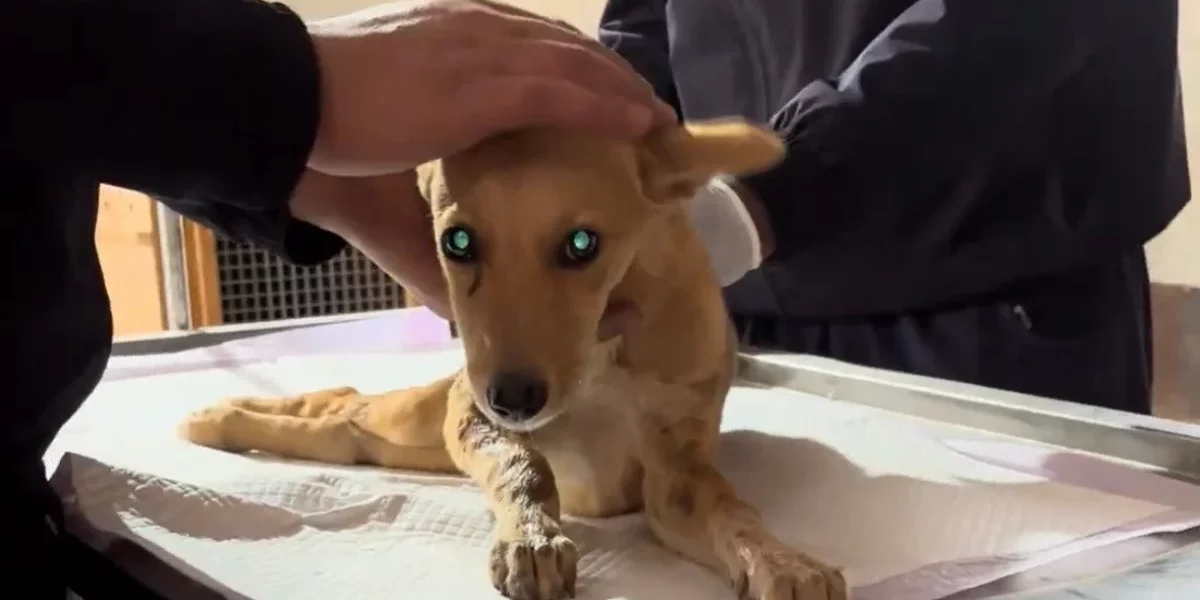
Most people who donate to animal causes do it from the heart. They see a photo of an injured dog, feel something shift inside them, and hit the donate button. But a week later, the question creeps in. Did that actually help anyone? It is a question worth sitting with, because the honest answer depends entirely on which organisation you gave to. A well-placed NGO donation can:
- Fund a surgery
- Feed a hundred strays
- Get a traumatised dog into a loving home
A poorly placed one disappears into administrative costs and vague “awareness campaigns.”
Kannan Animal Welfare is not built like most organisations. Since 2014, they have pulled over 2000 dogs out of situations that most people would not even want to look at directly. Paralysed dogs found on highways. Maggot-infested wounds. Animals are too weak to lift their heads. And through all of it, every rupee that came in went somewhere specific and traceable. This guide exists to show you exactly where.
The Question Every Donor Should Ask
India has no shortage of animal welfare organisations. Walk into any city, and you will find at least a handful collecting donations, posting sad photos, and promising change. But here is what rarely gets discussed openly: most donors have no real idea what happens after they give. The money goes in, a thank-you email comes out, and that is usually where the story ends.
This is what makes a transparent NGO donation system so rare and so valuable. KAW was built specifically because its founder had watched the opposite happen firsthand. By 2014, she had lost 37 rescued dogs across various Delhi shelters, not because of the injuries those dogs came in with, but because of:
- Inadequate care
- Poor facilities
- A general lack of accountability in how resources were being used
That experience did not break her. It made her build something better, from scratch, with her own standards.
Surgery, Recovery, and the Real Cost of a Rescue
When KAW gets a rescue call, the clock starts immediately. Someone spots a dog dragging its hind legs near a busy road, sends a WhatsApp message with a video, and within hours, a team is on the ground. What follows that moment is rarely glamorous and almost always expensive.
- Transport
- Emergency vet consultation
- Blood work
- Imaging
- Surgery if needed
- Post-op medication
- Wound dressing changes
- Weeks or sometimes months of in-shelter recovery
That is what a single rescue actually costs.
Adobe came in completely paralysed, with an infection in his leg so advanced that amputation was the only option left on the table. The leader arrived with a maggot-infested wound, barely able to stand. Both of them survived because donations for animals India supporters kept KAW funded well enough to say yes to cases like these without hesitation. When you make an animal NGO donation to KAW, you are not contributing to a general fund. You are directly making it possible for the team to pick up the phone when the next rescue call comes in.
150 Dogs, Every Single Day, Without a Day Off
During the COVID-19 lockdown, something happened to stray animals across India that most people were too preoccupied to notice. The streets emptied overnight. The restaurants that used to throw out scraps shut down. The vendors who quietly tossed food to the dogs near their stalls were no longer there. Stray animals, who had built their entire survival around the rhythms of human activity, suddenly had nothing.
KAW saw it happening and started feeding immediately. What began as a small emergency response has since become a permanent daily operation. Every single day, without exception, 150 to 200 stray dogs across multiple neighbourhoods receive a proper meal of rice, meat, vegetables, and kibble.
Running this costs:
- Real money
- Consistently
- Month after month
When you sponsor a dog in India through KAW, part of what you are funding is exactly this. Not a one-time gesture, but a daily commitment to animals who have no other safety net.
The Surgery That Prevents a Hundred Future Problems
Here is a number worth thinking about. One unspayed female street dog can be responsible for up to 67,000 descendants over six years. According to World Health Organization, uncontrolled breeding is one of the primary reasons behind the rapid increase in stray dog populations globally.
KAW runs a structured spay and neuter programme that handles:
- Catching the community animal
- Running pre-operative blood tests
- Performing the surgery
- Monitoring recovery before release
Your NGO donation funds every step of that chain. And the return on investment, if you want to think about it that way, is extraordinary. One surgery today prevents enormous suffering across years and across generations of animals who would otherwise be born into the same difficult conditions their parents faced.
The Different Ways to Give, and What Each One Does
KAW has built multiple giving options because they understand that donors are different people with different comfort levels.
- Direct donations from India come with an 80G tax benefit
- International donations via their US arm (501(c)) are tax-efficient
- Amazon Wishlist lets you buy exactly what they need with zero ambiguity
- Sponsoring a dog in India gives you a direct connection to a specific animal
- CSR partnerships come with structured reporting and measurable impact
An NGO donation through any of these channels goes directly into active field operations.
Why the Structure Behind KAW Actually Matters
KAW was registered as a Non-Profit under Section 8 of the Companies Act in 2020. Their US entity is a recognised 501(c) organisation. These are not just administrative details. They mean KAW:
- Operates under real regulatory oversight
- Maintains auditable financial records
- Cannot simply do whatever it likes with donor money
For anyone making an animal NGO donation, that legal structure is the foundation of trust.
Beyond the paperwork, the organisation runs seven days a week with a 24/7 emergency helpline. Every animal that passes through their system has a documented journey from intake to outcome. That level of operational rigour is not common in Indian animal welfare, and it is exactly what your NGO donation deserves to be supporting.
Final Thoughts
Giving to animal welfare is not just a nice thing to do. In a country with millions of strays living difficult, painful lives, it is one of the most direct ways a regular person can create measurable change. But it matters enormously where that giving goes. Choose an organisation that can:
- Show you the work
- Name the animals
- Account for the money
KAW does all three. Head to www.kannananimalwelfare.org to donate, browse the Amazon Wishlist, or find out how to sponsor a dog in India. The animals are already there, waiting. The only thing missing is you.
FAQs
KAW is incorporated under Section 8 of the Companies Act, 2013 and also under the 501C (3) in the USA, which implies that it is subject to stringent regulatory control. Each animal has a recorded path of rescue to the final destination, which leaves the donors with no doubts that their money is being spent in a responsible and transparent manner.
KAW accepts donations of all amounts since all the rupees are directly channeled into active programmes. Regardless of whether you give a little every month or a bigger donation once, your NGO donation is used to provide real results, such as surgeries, daily feeding, and shelter activities for animals in actual need.
Absolutely. The US branch of KAW, Kannan Animal Welfare Foundation INC, is a 501(c) organization, which means that foreign donors can easily and efficiently make donations to the organization. Indian donors also have an 80G tax deduction, so your choice to donate to animals in India also has a direct financial benefit.
By sponsoring a dog in India via KAW, you are directly connected to a particular animal under their care. Your donation pays for the day-to-day food, treatment, and shelter of that dog. You get to be part of their story, and it is one of the most significant and personalized ways to give.
Yes. KAW has an Amazon Wishlist of certain supplies they actively require, such as dog food, medical supplies, and shelter supplies. You just pick something, buy it and have it delivered to their door. This alternative is fully transparent because you are aware of what your contribution will be in practice.