

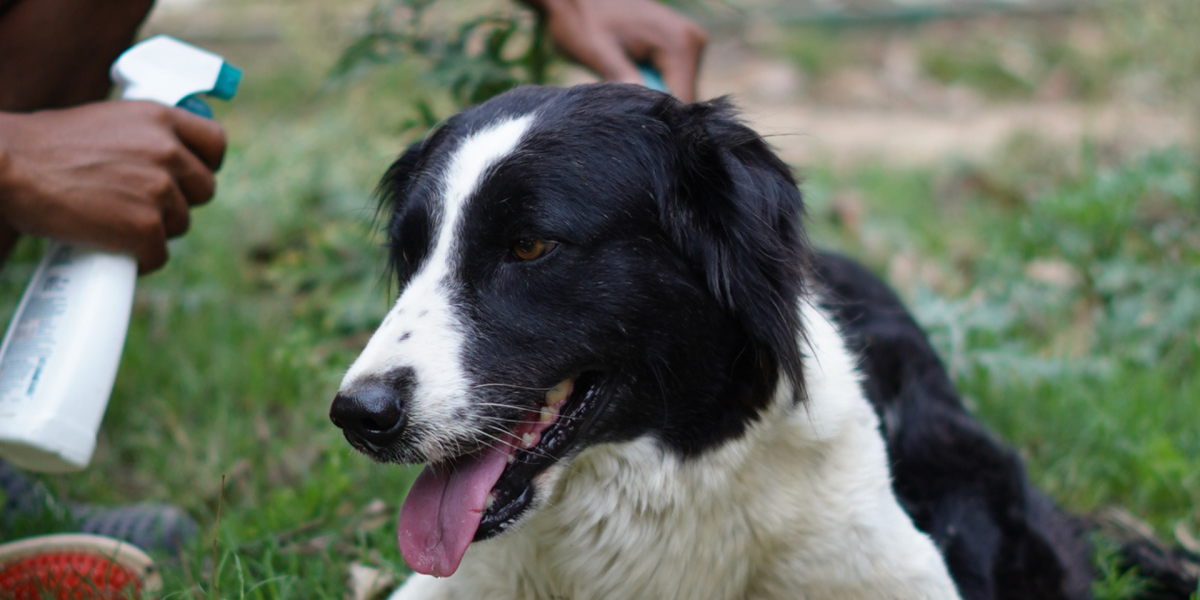
It usually does not look dramatic at first. A dog is lying near the edge of a road in Delhi, maybe after being hit, maybe just unable to move properly. People pass by. Some slow down, most do not. And in that moment, you are seeing the stray dog problem in India, not as an idea, but as something very real. If you go through stray dog statistics in India, it only makes that reality harder to ignore.
The stray dog issue in India is not just about numbers or visibility. It is also about survival, and often a lack of it. Many puppies do not make it beyond a few months, and a large number never reach their first year. The stray dog problem in India keeps repeating itself like this. Some notice it and move on. Some do not. Kannan Animal Welfare falls into the second group and chooses to respond.
The Scale of the Problem and Why It Cannot Be Ignored
If you think about the stray dog problem in India for a moment, it becomes clear that it has been building over time. Stray dog overpopulation in India is not caused by one single factor. It comes from expanding cities, open waste, and sterilisation efforts that do not always reach the ground level. The problem of stray animals in India is visible, but also easy to get used to, which is perhaps why the stray dog problem in India continues without enough interruption.
- Stray Desi dogs deal with extreme weather, from harsh heat to flooded streets
- Many of the cases which NGOs handle involve dogs injured in road accidents
- Some animals suffer due to neglect, while others face direct harm
- Long recovery periods often mean dogs cannot return to the streets safely
- NGOs continues to step into situations across Delhi-NCR where help is needed
Why Government Efforts Alone Are Not Enough
Systems are in place, such as Animal Birth Control rules, but they are not always followed through. Due to this, the stray dog menace in India persists in a manner that seems to be repetitive. There are complaints of stray dog problems raised by people, but they are often delayed, and the response is based on the available resources.
- Municipal shelters are frequently overwhelmed with cases.
- No standardised system exists to track or identify stray animals.
- There is still a lack of awareness regarding adoption and sterilisation.
This is where organisations and NGOs start to become more important, since they work in the gap where systems fail.
Kannan Animal Welfare’s Model and How It Directly Tackles the Stray Dog Problem in India
Rescue and Emergency Response
It runs a 24×7 helpline (+91-9599099323). The majority of cases are received via WhatsApp, and the information is usually incomplete. Nevertheless, the team reacts, be it an accident, illness, or something more pressing.
Medical Rehabilitation
Their Noida medical unit deals with recovery and treatment. There are dogs that heal sooner than anticipated. Others take time. They are transferred to the Sohna sanctuary when they cannot go back to the streets.
Sterilisation and Vaccination
Kannan Animal Welfare is concerned with sterilisation as a long-term solution to the stray dog menace in India. Drives are carried out on a regular basis, although the magnitude of the problem implies that the work is continuous.
Domestic and Overseas Adoption
Others are adopted in India, and others are exported to other countries via organisations such as Operation Paws for Homes. Every case is packed with care before travelling.
Daily Feeding Programs
Not every situation allows immediate rescue. Feeding programs help bridge that gap and ensure dogs are not left without food.
Microchipping Initiative
These NGOs are also working towards encouraging microchipping, which may help with tracking and accountability over time.
How You Can Be Part of the Solution
The problem of stray animals in India is not something NGOs can solve on their own. The stray dog problem in India continues unless more people choose to take part in small, practical ways.
- Adopt a Desi dog through adoption programs
- Donate through their certified platforms
- Volunteer at their centres without needing prior experience
- Sponsor a meal on a meaningful day
- Report a case through WhatsApp with clear details
Conclusion
The stray dog problem in India is large, and there is no single solution that changes everything at once. Still, organisations like Kannan Animal Welfare show that consistent effort does make a difference. Their work, from rescue to rehabilitation to adoption, continues every day.
Sometimes awareness is where it starts. Sometimes it is one action. Both matter.
Visit Kannan Animal Welfare today to adopt, donate, volunteer or report a case because every Desi dog deserves a second chance at life.
FAQs
The problem of stray dogs in India is the rising population of street dogs in India that are dying as a result of a lack of food, medical attention and poor population control mechanisms.
The key reasons behind the population of the stray dogs in India are open waste, low level of sterilisation and high rate of urbanisation, which, when combined in one way or another, enable the population of street dogs to multiply beyond control.
NGOs saves injured dogs, offers them medical attention, feeds them, adopts them, and also carries out long-term initiatives such as sterilisation and microchipping.
You can report the case by sending photos, videos and location to organisations and NGOs on their WhatsApp helpline in case of a hurt stray dog.
Sterilisation is a humanitarian way of controlling the population and lessens the aggressive nature and enhances the overall health of the population, and hence one of the best long term solutions to the stray dog menace in India.
You can contribute to NGOs by donating money, volunteering, sponsoring meals, adopting dogs, or just contributing to the world as even the most minor action will help to resolve the bigger problem.
Not all the rescued dogs are able to go back to the streets because of their injuries or long term to heal, and they should be provided with long-term shelter, care and even adoption assistance.
The problem of the stray dogs in India might be too big, but through the continual efforts such as sterilisation, rescue, adoption and publicity, the problem can be controlled with time.