

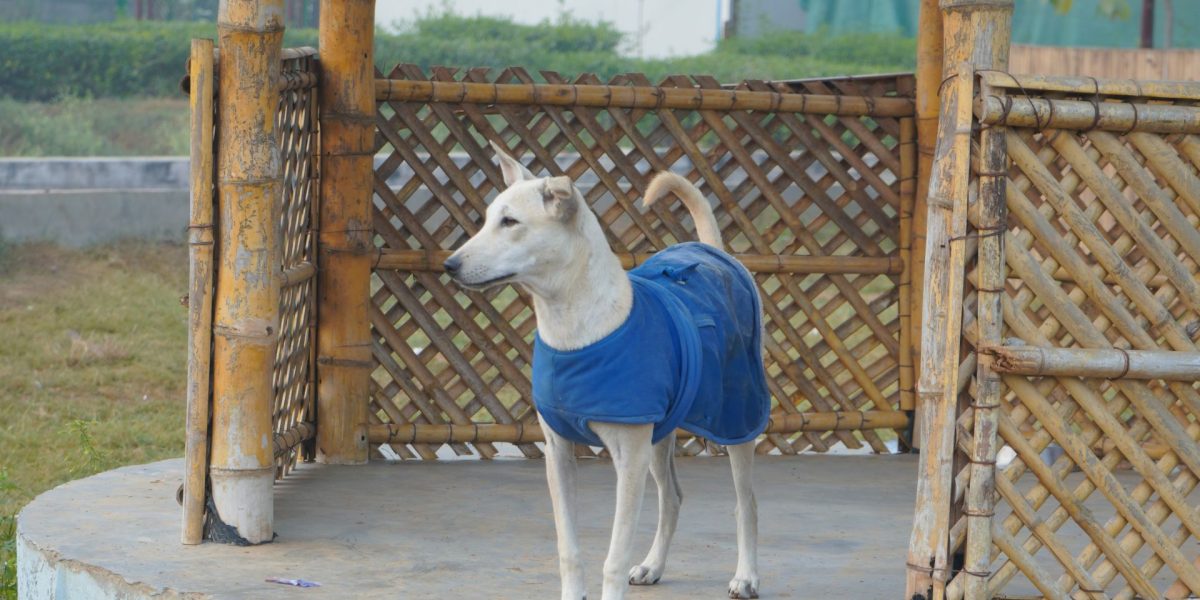
Winter is beautiful but harsh for pets, and we have a loving responsibility to ensure proper winter care for pets. This blog is for every Indian pet parent and rescuer, covering the basics-how to identify even the slightest signs of your furry companion experiencing the cold, simple instructions for emergency treatment and prevention, and how local NGOs support stray animals when the weather turns brutal. Consider this your warm bear hug of advice for a healthy, cosy winter for your dog or cat, guided by compassion and preparedness.
Signs Your Pet Is Struggling in Winter
Watch your pet’s behaviour, breathing, temperature and paws closely so you can take action immediately. These symptoms indicate cold stress and hypothermia, both of which require immediate care.
Watch for these Signs for winter care for Pets in india :
- Shivering that’s incessant (especially in small and short-haired pets).
- Ears, paws, or tail that are icy cold to the touch.
- Slow or shallow breathing, or if your pet appears to be weak or disoriented.
- Gums that are pale or bluish (poor circulation).
- Limping, inflamed or cracked paws, or ice/salt visible between toes.
- Signs of Emergency: If your pet will not move, vomits or collapses, get help immediately.
First Aid: Immediate Steps That Save Lives
If you think your pet has an injury caused by cold, do the following to at least stabilise your animal: warm their core, keep their fur dry, protect their paws, check their breathing, and get them to a vet as soon as possible or call for emergency advice. This will help to stabilise your pet for its trip to the vet, but always take them in for a professional opinion.
- Bring the animal inside to a warm place or under cover out of the rain and wind.
- Use towels to gently pat dry the fur if it is wet (never rub).
- Place your pet in warm blankets, concentrating on the chest and abdomen to keep the body.
- Give them warm (not hot) water to drink from a bowl or syringe if they are able to swallow.
- When you are out in cold weather, you can even use warm compresses on your paws and toes, wrapping a warm water bottle in a cloth, or putting it alongside you while on your walk.
- Never apply direct heat (such as hot water bottles or heaters) to the bare skin; warming should be gradual and consistent.
Remain with the animal to provide them comfort and keep the animal calm while you transport it to a veterinarian, and phone the clinic to inform them that you are bringing in a hypothermia victim.
Winter Care Tips for Pets in India
It’s better to prevent than to panic. Some simple routines keep pets safe: modify walks, offer bedding, avoid toxic de-icers, provide indoor play, and have emergency supplies, medications, and phone numbers handy for unexpected winter storms. These are simple measures that reduce the number of winter-related injuries and enable you to respond more rapidly when temperatures drop.
- Take shorter walks more often in the cold mornings and nights.
- Dressing pets in sweaters or light insulated jackets for short-haired or small dogs.
- Protect the paws: clean and dry the paws after walks; apply paw balms or use paw protectors if necessary.
- Keep outdoor dogs in an elevated, insulated dog house with dry bedding.
- Keep animal-friendly de-icers and antifreeze out of reach of pets and your children, too, as they’re very poisonous.
- Have a winter emergency kit: extra food, medicine, blankets, a towel, and the vet’s contact information.
Diet, Grooming & Paw Care: Simple Habits That Matter
Nutrition & grooming changes in the cold raise calories if needed, brush regularly, check paws, use moisturisers and snip fur mats to help keep dogs warm and to prevent winter skin.
- Some pets require a slight increase in calories during extended exposure to cold; ask your veterinarian.
- Provide warm food at times (warm, not hot), to enhance palatability for finicky or older animals.
- Brush coats to prevent matting; wet matted hair diminishes your pet’s ability to stay warm.
- Cut the hair between the pads and check the pads for cuts, ice buildup, or salt burns.
- Apply paw balms to soothe cracked paws, and rinse them after walks to wash away salt and chemicals.
- Don’t bathe them too often in cold weather; dust off with mild wipes and, if necessary, wash with moisturising shampoos.
Dog Care in Winter & Helping Stray Animals
Looking after strays is easy and can be done in many little ways: warm shelter, feeding, medical care, community surveillance and coordinating with local rescue groups so strays can make it through cold snaps in freezing temperatures. Community living acts and saves lives, and small repeatable actions have a huge impact.
- Make low-cost insulated shelters using large plastic containers or boxes, a slanted roof, and straw or old blankets for bedding.
- Set up community feeding stations with fresh water (not frozen) and high-energy food as temperatures drop.
- Work with local NGOs to vaccinate, deworm, and medically triage.
- Notify the rescue community about strays that are sick or injured; many NGOs will mount winter outreach programs/temporary shelters.
- Help educate neighbours on staying away from toxic materials (antifreeze, used oil) and what a safe distance is for pets living without human care from any traffic.
When to See a Vet: Do not Ignore
Don’t ignore the persistent shivering, slow breathing, pale gums, weakness or disorientation; they are signs that active treatment may be required. If you suspect hypothermia or frostbite in your pet, do not hesitate to seek help day or night. Professional care early on reduces the chances of complications and the length of convalescence.
- Notice the unconscious, having seizures, or continuous convulsions: emergency.
- Look for extreme damage to paws, skin that is pale or dark and cold to the touch (possible frostbite).
- Trouble breathing, coughing, or gums with a bluish tint. This is an emergency.
- Not eating or drinking for a long time, vomiting, or blood in urine or stool.
Products & Gear that help
Use some products like warmers for beds, waterproof jackets, paw balms, and booties are some winter-friendly products for pets that also keep outdoor pets warm and safe. Raised shelters, food warmers, LED collars, and pet-first-aid kits are other winter gear for pets. Opt for sizes and fabrics that are appropriate to the Indian weather and humidity levels. Buy products with natural, breathable materials and try out the products at home, so your pet can get accustomed to them.
- Heated, elevated beds that keep pets off chilly floors; opt for washable, quick-dry bedding.
- Waterproof clothing is a benefit for short-haired dogs on dewy morning walks and frosty drizzles.
- Balms for paws and booties protect pads against salt and rough terrain.
- Heating pads for elderly pets and heat-retaining mats for all pets are also available, but don’t place your pet directly over any heat source.
- Always keep a pet first-aid kit handy, and you might consider learning simple first-aid techniques for pets in case of emergency.
How NGOs Help During Winter
Kannan Animal Welfare (KAW) is dedicated to the rescue, rehabilitation and sheltering of stray dogs in Delhi and its neighbouring areas. Their winter work includes feeding, providing temporary shelter, medical treatment, and helping with adoptions. If you encounter a frostbitten dog, reach out to local NGOs; they usually have helplines and volunteers trained in safe rescue and transport. Give, volunteer, or sponsor a shelter bed: every little bit helps keep shelters stocked with food and medicine.
Conclusion
Winter care for pets isn’t difficult; it’s simple. Short walks, warm bedding, the alert use of some kind of paw protection, a little first aid, and some community coordination can keep you warm on cold days. Whether you have a pet or support strays, your vigilance and preparedness can alleviate suffering and save lives. Support local NGOs like Kannan Animal Welfare to help beyond your doorstep. Their work on the ground shelters thousands of at-risk animals.
FAQs
Temperatures at or below freezing (32°F) can be dangerous for many dogs; it takes longer for small, short-haired, elderly, or ill dogs to start feeling cold. Monitor the signs and intervene early.
Don’t leave your dogs outside unattended. If this cannot be helped, offer an insulated, raised shelter, dry bedding, and regular visits; living outdoors is a risk factor for hypothermia and infection.
Only if activity decreases or as advised by the vet. Just as some humans burn more calories in the cold, so do some dogs require a bit more fuel during extended periods of exposure to extreme cold; always consult your veterinarian for specific recommendations.
Get to a warm place, wrap loosely, don’t rub, and get to a vet. Avoid using direct heat; professional care can prevent permanent damage.
Build insulated shelters, establish feeding stations, liaise with NGOs and report any injured animals. Small-scale local actions save lives and more lives.
Yes, paw balms protect pads from cracking and salt burns. Booties also provide protection on rough terrain. Test the equipment at home to make sure your dog will tolerate it.