

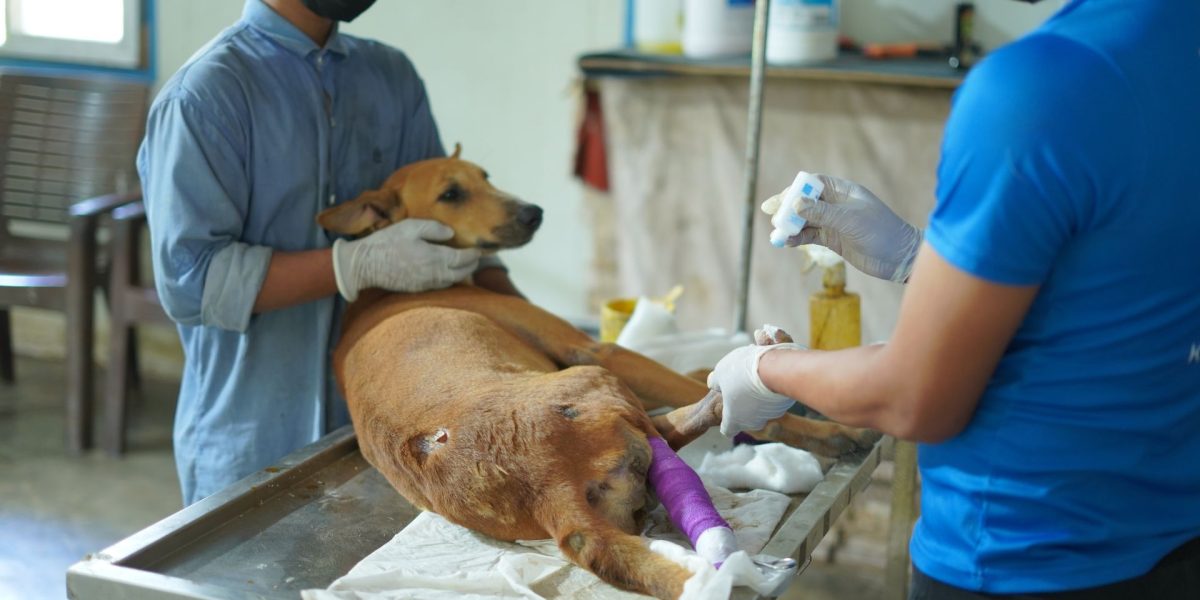
Many people think aggression in dogs means the dog is dangerous or bad. That is not true. Aggression is one way dogs show fear or stress. Sometimes they are in pain. Sometimes they feel unsafe. This happens often in shelters or on the streets.
At Kannan Animal Welfare, we see aggression as a form of communication. We try to understand what the dog is feeling. We also help the dog feel safe again. Many dogs that show aggression today can become calm and social with the right care.
We run a dog shelter home near me and work closely with feeders and adopters. Our goal is simple. We want to make dogs feel safe. We also want the people around them to feel safe.
This guide is for anyone who wants to help. It covers how to read a dog’s body language. It explains common triggers like resource guarding. It also shares tips for homes, shelters, and community spaces. If you are looking for a dog ngo Delhi trusts or a dog shelter home near me for adoption, this guide will help you take the next step with confidence.
What Does Aggression in Dogs Really Mean?
Aggression is not a personality issue. It is not about being a bad dog. It is a behaviour that helps dogs feel safe when they feel afraid. A dog may growl or snap if it feels cornered. Some dogs guard food or space if they think it will be taken away. A nearby Dog Shelter House can provide the right environment to understand and manage such behaviour.
Dogs do not always bite right away. There are signs before that. A dog may freeze. It may stare. It may lift its lip or show teeth. These are warnings. The dog is saying it wants space. Many people miss these signs. Some even punish the dog for growling. That makes things worse. The dog stops giving warnings and goes straight to biting.
In a dog shelter home near me, many dogs come from tough places. Some have lived on the streets. Some have been hit or shouted at. They learn to defend themselves. That is not bad behaviour. That is survival.
People who visit a dog shelter home near me for adoption often ask why a dog growls. The answer is simple. The dog is trying to talk. We just need to listen and respond the right way.
Reading a Dog’s Body Language: Key Safety Skill
Dogs do not bite without warning. They show many signs before that happens. If you learn how to spot those signs early you can prevent fights or bites. This is true for street dogs. This is true for dogs in homes. This is also true for any dog at a dog shelter home near me.
Reading body language is not hard. You just need to know what to look for.
- Posture and Tension
Some dogs lean forward when they feel ready to fight. Others lean back when they feel scared. A stiff body usually means the dog feels tense or unsure. If you see muscles tighten or legs stiffen step back. In every dog shelter home near me the team learns to read these signs fast. That keeps people and dogs safe.
- Eyes and Mouth
A dog may stare without blinking. You may see the whites of its eyes. That is called whale eye. This often means the dog feels pressure. A tight mouth is another clue. Some dogs lift their lips to show their teeth. That does not mean they want to bite. It means they want space.
- Ears, Tail and Hackles
Ears tell you a lot. Ears that face forward often mean alertness. Ears that pull back can mean fear. A high stiff tail means the dog is on edge. A low or tucked tail means fear. Raised hackles along the back show high arousal. That dog may not want to be touched.
Growling is useful. It is a clear signal. It means the dog feels trapped or nervous. Growling gives us time to act. If you punish the growl you remove that early warning. That makes things more dangerous. Let the dog speak. Then change the situation so it feels safe again.
Triggers of Aggression in Shelters and Streets
Dogs act out when they feel unsafe. This is not about being bad. This is about feeling scared or pushed too far. Many dogs that seem calm most of the time may growl or snap if the pressure builds.
Pain is a common reason. A dog with a sore leg or tooth may not want to be touched. A vet check is always the first step.
New places can also cause stress. Some dogs shut down. Others become defensive. Crowded spaces with loud sounds make this worse. This happens a lot in street-feeding zones or kennels that stay full.
Some dogs guard doorways or food bowls. Others do not like strangers near their beds or puppies. These dogs are not mean. They just want to protect what matters to them.
At a dog shelter home near me for adoption there are many different dogs in one place. That creates stress. If we do not spot the early signs we may miss the chance to stop a fight before it starts.
Resource Guarding: A Common Form of Aggression
Dogs often try to protect things they care about. That might be a bone. That might be a person. Some dogs even guard space like a bed or a shady spot under a tree. This is called resource guarding. It is not rare. It is not dangerous if handled right.
What It Is
Some dogs guard food. Some guard toys. Some guard people or beds. This is more common when many dogs live together. A dog that had to fight for scraps before may now guard a full bowl. That behaviour came from fear. In shelters with new smells and noise this behaviour can grow fast.
Dog-to-Dog Guarding
This often happens in shelters. It also shows up in foster homes and street-feeding spots. One dog may snap if another comes too close while eating. It may growl if a toy gets too close to another mouth. These moments can turn into fights if not managed.
Safety Tips
Feed dogs in different spots. Use crates or gates when needed. If you need to take something away try the trade-up. Offer a better item so the dog gives up the first one. Do not take things by force. Muzzles can also help. They must be taught slowly so the dog feels safe.
Many dogs at a dog shelter home near me guard because of past stress. They are not bad. They are scared that someone will take what they need to feel safe. That fear can be fixed with time and care.
Safe Management in Homes Shelters and Streets
Dogs feel better when they know what to expect. A steady routine makes a big difference. This helps lower stress. This also helps stop fights before they begin.
Feeding at the same time each day helps a lot. Dogs should eat in separate places. Some can eat in crates. Others can eat in corners with space between them. No one should touch them during meals. That keeps things calm.
Rest areas matter too. Each dog should have its own space to sleep or relax. That space should stay quiet and undisturbed. A tired or stressed dog needs time to reset.
Muzzles help in tough cases. They are not a punishment. They are a tool. Dogs should learn to wear them slowly. Treats can help. Praise can help too. The goal is safety. Not control.
Crates and barriers also help. These tools create space. They give dogs a break. They help people stay safe too.
At our noida animal shelter we changed how we feed and move dogs. We created more quiet zones. We set rules for new dogs. This reduced growls and fights in just a few weeks.
If you visit a dog shelter home near me you will see these steps in action. They are simple. But they work. Dogs feel safer. People do too.
Behaviour Modification: Who Should Intervene
Some dogs need help to feel safe again. This takes time. It also takes the right steps. Not every case can be fixed with simple training.
The best method is slow and kind. This is called desensitisation. It means helping the dog face small parts of a problem. Each time the dog stays calm we give a reward. Over time the fear goes down. Another method is counter-conditioning. This means we change how the dog feels about a trigger. A loud sound can start to mean food is coming. A visitor can mean praise or a treat.
Not every dog needs a pro. But some do. If a dog has bitten someone or attacked another dog then it is time to call in help. Look for a certified expert. That could be someone from IAABC or CCAB. A vet who works with behaviour is also a good choice.
Punishment does not work. It hides the signs. It makes things worse. If you are working with a dog from a dog shelter home near me it is better to build trust. That path may be slow. But it is safe. And it is fair to the dog.
Using the Five Domains for Humane Welfare
Aggression does not happen in a vacuum. It often starts with something missing or something wrong in the dog’s life. The Five Domains model helps us understand what that might be.
The five parts are simple.
- Nutrition.
- Environment.
- Health.
- Behaviour.
- Mental state.
Each one matters. When one part fails the dog feels stress. That stress may come out as aggression.
A dog with poor food or bad water may feel weak. A dog in a loud space may feel trapped. A dog in pain may lash out. A bored dog may snap out of frustration. A dog with no choices may grow tired of being touched or moved without warning.
At KAW we focus on fixing these areas first. That means vet checks. That means more sniff walks. That means rest. That means respect.
When people give a dog ngo donation they are helping with this. Every small gift helps a dog live with less fear. And that helps everyone stay safe.
Humane Do’s and Don’ts for NGOs Feeders Adopters
Helping a dog with aggression starts with the right steps. What you do matters. What you avoid matters just as much. At any dog shelter home near me these simple rules can prevent problems before they begin.
Do:
- Take the dog to a vet if behaviour changes fast or without reason
- Add enrichment like sniff walks or puzzle feeders to the dog’s day
- Keep a steady routine for meals sleep and outdoor time
- Use muzzles when needed and teach them slowly with rewards
- Teach families and street feeders what to watch for and when to give space
Don’t:
- Do not punish a dog for growling or giving a warning
- Do not test a dog by taking away food or toys to see what happens
- Do not force hugs petting or touch when a dog wants to be left alone
Every action shapes trust. Every mistake breaks it. Choose the path that helps the dog feel safe.
Body Language “Traffic Light” System
Dogs show what they feel with their body. If you learn to read the signs you can stop things from going wrong. KAW teaches this system to everyone who works with dogs. It is simple. It works. You can use it at home or at a dog shelter home near me.
Red
The dog freezes. It shows teeth. Hackles rise along the back. This dog wants space. Do not touch. Step away.
Yellow
The dog turns its head or looks out of the corner of its eye. Its body feels stiff. Its tail tucks low. This dog feels unsure. Slow down. Give it time.
Green
The dog moves with a loose body. The tail wags gently. Eyes are soft. The mouth is open. This dog feels relaxed. You may be able to greet it. Still ask for consent.
At every dog shelter home near me this system helps dogs avoid stress. It helps people avoid injury. It builds trust both ways.
Safer Shelters Design Routine and Enrichment
Some shelters stay quiet. Others feel loud and rushed. Dogs notice this right away. The setup of the space changes how they feel.
Visual barriers help dogs relax. If they cannot see other dogs they are less likely to bark or pace. Kennels should not face each other. That cuts down stress.
Create a plan to move dogs. Use a schedule so they do not cross paths in small halls. Add quiet hours where lights dim and staff reduce handling.
Feeding times must be safe. At KAW we use two handlers in some areas. We feed dogs in a set order. We use lines or markers to keep space between them.
Volunteers must learn the basics before they start. A short 30 minute class can make a big difference.
We also plan weekly enrichment. That means more sniff walks. More play. Less boredom. All of this lowers the chance of fights. Every dog shelter home near me can use these steps to feel safer and calmer
When Is Rehoming or Sanctuary Care Appropriate
Most dogs who act out can learn to feel safe again. They just need the right plan. That means steady routines. That means space. That means calm people who understand their signs.
Some dogs bite more than once. Some cause real harm. Some do not respond to normal training. These cases are rare. But they happen.
For dogs like this we look at sanctuary homes. These are quiet places with strict rules and skilled care. The goal is not to give up. The goal is to protect the dog and the people around it.
At KAW we do not make these calls based on fear. We use what we know from science. We look at each case with care. A dog shelter home near me may not be the right space for every dog. That is fine. What matters is the dog stays safe and has a life with less stress.
How KAW Handles Aggression with Compassion
Some dogs arrive with deep fear. Some were hit. Some were yelled at. Some fought for food every day. These dogs do not trust people right away. At KAW we help them feel safe. We do not rush them. We do not punish them. We wait. We watch. We teach. Below are four steps we take every day.
- Volunteer Training
Staff and helpers learn to read signs like stiff legs or hard eyes. They do not guess. They follow clear steps. If a dog shows stress they step back. That keeps everyone safe. This is the first rule in any dog shelter home near me.
- Positive Reinforcement
Dogs do better when they know what works. If a dog stays calm it gets a treat. If it walks away instead of growling it gets praise. Play can also help. We reward peace. Not force.
- Feeding Protocols
We do not feed dogs close together. Each dog eats alone or with space between. We use the trade-up method if we need to take something back. The rules do not change. That helps the dog feel safe. That builds trust.
- Community Outreach
People often think growling is bad. We explain why it helps. We hold short talks in the area. We hand out leaflets. We show what safe dog handling looks like. Many who visit after this say they want to give. Some even make a dog donation in Delhi. Some choose to donate for dog shelter needs. That support helps us keep going.
Visit or Support KAW
If you want to help a dog in need you can do that today. You can adopt. You can volunteer. You can give. Every action counts.
If you are searching for a dog shelter home near me you can visit Kannan Animal Welfare. If you want to donate to dog ngo in Delhi your support will help feed dogs, train staff and keep everyone safe.
One gift. One visit. One dog was saved.
Conclusion
Aggression is not the problem. Fear is. Pain is. Confusion is. Dogs speak in their own way. Our job is to listen. Our job is to respond with care.
At KAW we do that every day. We work with dogs who have been pushed too far. We help them feel safe again. You can see that work at any dog shelter home near me that follows the same steps.
Change is slow. But it is real. And it starts with understanding.
FAQs
Some dogs improve fast. Others need time and care. Most learn to stay calm with proper training and safety steps. Some will always need management. That does not make them bad.
Feed them in separate spaces. Use trade-ups if needed. Do not take food by force. Use crates gates or leashes to keep things calm.
No. Growling is a warning. The dog wants space. If you punish the growl it may stop warning and go straight to biting.
Reach out to a dog shelter home near me or contact a dog ngo. Many offer low cost or free adoption. The dog will be vaccinated and checked before going home.
You can donate to dog ngo in Delhi through online platforms or direct bank transfers. To donate for an animal shelter in Delhi check the shelter’s verified page.
It helps with food vet care staff training and basic safety tools. Even a small pet shelter donation Delhi supports daily needs.
Kannan Animal Welfare is one trusted name. You can also check other registered NGOs in the area.
Yes. Some offer free adoption for adult dogs or special needs dogs.
Many shelters also help with cat adoption. Contact the NGO and ask if they have cats available.
Charges range from free to a small fee. This often includes vaccination and basic medical care.
Visit the shelter website or go in person. Ask for their volunteer form or training schedule.
Groups like KAW respond to injury calls. You can message them or call their helpline.