

The garbage truck rumbles down the street at 5 AM, and there they are again. Same three dogs, same corner, waiting for scraps that might not even come. Been seeing them for months now. Makes one wonder how many more are out there, just trying to survive another day. This is exactly why people choose to donate to stray animals – every contribution matters.
Street animals in India are everywhere, yet somehow invisible to most people. Walking to the local market means stepping around sleeping dogs, watching cats dart between motorcycles, pretending not to notice the limp that dog’s been carrying for weeks. The scale feels impossible sometimes. Millions, literally millions of animals living rough across the country. When you support stray animals in India, you become part of the solution to this overwhelming challenge.
But here’s the thing about numbers that big: they make individual action feel pointless. What difference could donating a few hundred rupees possibly make? Turns out, quite a lot actually. Every time you donate to stray animals, you contribute to a larger movement of compassion.
Animal welfare organisations have figured out something interesting. Small donations, the kind regular people can actually afford, often work better than waiting for some wealthy philanthropist to solve everything. Consistency beats size every time. A shelter getting 500 rupees monthly from fifty different people? That’s sustainable. That’s planning money. That’s being able to say yes when someone calls about an injured animal instead of checking bank balances first. This is the power behind animal shelter donations India receives from caring individuals.
The monsoons hit hard this year. Streets flooded, and suddenly every small animal needed somewhere safe and dry. Organisations that had been building up steady donation streams could respond immediately. Others had to watch animals suffer while scrambling for emergency funding. The difference between life and death often comes down to having resources ready before disaster strikes. Those who regularly donate to stray animals help create this emergency preparedness.
Medical Care Changes Everything
Ever seen a dog with mange? The skin looks like leather left out in the sun too long. Hair falls out in patches. The scratching never stops. Animals with mange become outcasts even among other strays as they are too sick, too contagious, too desperate. When you support stray animals in India through medical funding, you address these critical health issues.
Treatment costs maybe 800 rupees total. Antibiotics, medicated shampoos, proper nutrition during recovery. Not expensive by urban standards, completely impossible for street animals. But organizations getting regular donations can treat dozens of mange cases without thinking twice about costs. Every person who chooses to donate to stray animals makes these treatments possible.
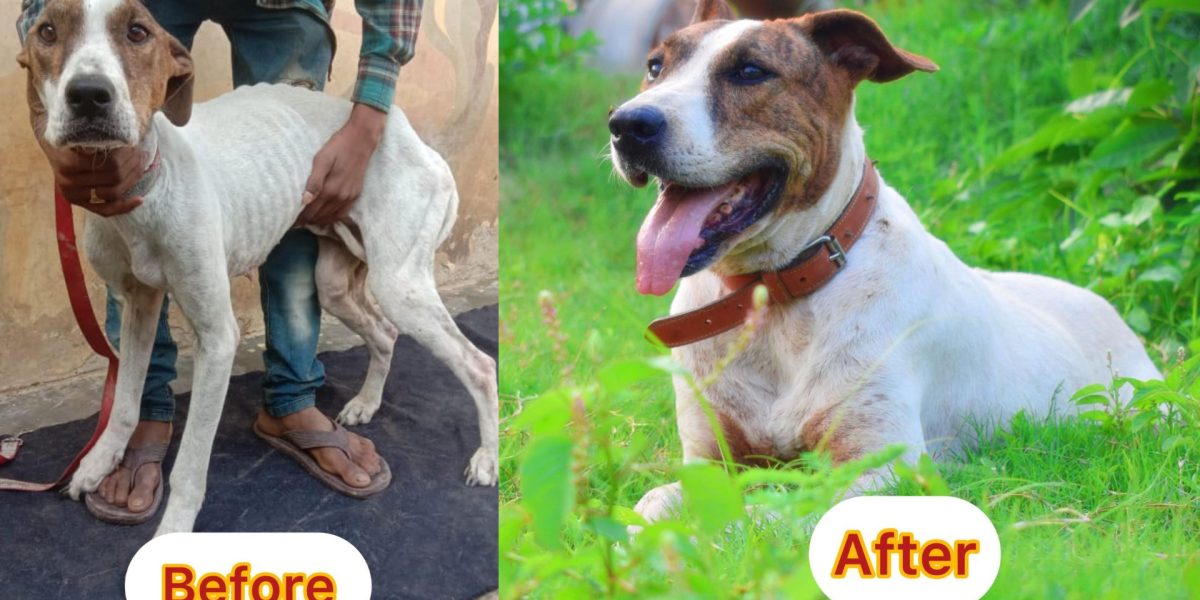
The transformation is remarkable. The same dog, eight weeks later, has a shiny coat and clear eyes. Confident again. Adoptable, if someone’s looking. The difference between suffering and healing often comes down to whether enough people decided to donate to stray animals that month.
Sterilization programs create an even bigger impact. One female dog having puppies every six months means dozens of new street animals within just a couple years. Those puppies have puppies. The mathematics get overwhelming quickly. But spaying that one female breaks the entire cycle. Animal shelter donations in India organisations receive funds for these crucial sterilisation programs.
Mass sterilisation camps happen when organisations have enough steady funding to plan ahead. Rent equipment, hire veterinarians, and set up temporary surgical facilities in neighbourhoods where they’re needed most. These campaigns can dramatically reduce street animal populations, but only if donations come in consistently enough to make long-term planning possible. When you donate to stray animals regularly, you enable these large-scale interventions.
Adoption Success Stories
Some rescued animals find permanent homes. The process takes time though medical treatment, behavioral assessment, matching with compatible families. All expensive, all necessary for successful adoptions that actually stick. Those who donate to the stray animals fund these comprehensive adoption programs.
Failed adoptions happen when animals aren’t properly prepared or families aren’t educated about pet ownership responsibilities. The animal ends up back on the street, often more traumatised than before. Proper adoption programs prevent this by investing heavily in both animal preparation and family education. This is another way your decision to support stray animals in India creates lasting change.
The most successful adoption programs spend months preparing animals for home life. Socialisation training helps fearful animals learn to trust humans again. Basic obedience training makes them more appealing to potential families. Medical care ensures they’re healthy enough for the stress of adapting to new environments. These programs rely on people who donate to stray animals consistently.
Community Education Matters More Than Expected
Strange thing about animal welfare work is that half the job is really people’s work. Changing how communities think about street animals, teaching children compassionate treatment, convincing adults that sterilization helps rather than harms. Educational initiatives are another reason to donate to stray animals – they create community-wide change.
School programs work surprisingly well. Kids naturally love animals, but often don’t understand proper care. Educational visits teach them about animal needs, disease prevention, and safe interaction with strays. Children who learn compassionate animal treatment tend to maintain those values as adults. When you donate to stray animals, you’re investing in future generations of animal advocates.
Adult education proves more challenging. Cultural attitudes toward animals vary dramatically across different regions and communities. Some areas view street animals as nuisances to be eliminated. Others see them as part of the natural neighborhood environment. Effective education programs respect these differences while promoting humane treatment options. Animal shelter donations in India receive help to fund these important educational outreach programs.
The Economics Are Complicated
Animal welfare costs money, obviously. But so does ignoring the problem. Uncontrolled street animal populations create public health risks. Disease transmission. Aggressive behavior from unneutered males. Tourist complaints in areas trying to develop hospitality industries. This economic reality makes it smart to donate to stray animals preventively.
Cities spending money on crude population control methods include poisoning, random killing and often find the problems return quickly. Animals from surrounding areas move into vacant territories. Survivors breed more rapidly to replace the lost population. The costs never end. When you support stray animals in India through humane methods, you break this cycle.
Humane population management through sterilisation and vaccination costs more initially but creates lasting solutions. Sterilised animals become calmer, less territorial, and less likely to fight or bite. Vaccinated populations resist disease outbreaks. The upfront investment pays dividends for years. Those who donate to the fund for stray animals fund these sustainable solutions.
Technology Helps, But Slowly
Digital platforms make coordination easier. Organisations can share information about rescued animals, avoid duplicate efforts, and track medical histories from rescue through adoption. Social media connects potential adopters with available animals. Technology improvements happen when people donate to stray animals, and organisations can afford better systems.
However, there is slow uptake of technology in animal welfare. Most organizations are on lean budgets and have little technical knowledge. Even such basic changes as online donation or digital medical records demand considerable investment in training and infrastructure. Animal shelter donations in India often go toward these technological improvements.
Mobile payment systems could revolutionise small donations if more organisations learned to use them effectively. The convenience factor matters enormously for impulse giving. Seeing an injured animal and being able to contribute to its treatment immediately, from a phone, removes barriers that prevent charitable impulses from becoming actual donations. These systems make it easier than ever to donate to stray animals when inspiration strikes.
Government Involvement Is Patchy
Some local governments actively support animal welfare programs. Others view them as unnecessary expenses or cultural imports from Western countries. The legal framework exists. India has animal protection laws, but enforcement varies dramatically by location. When you support stray animals in India, you help bridge gaps in government support.
Policy advocacy takes resources away from direct animal care, but creates systemic change that benefits far more animals than individual rescue efforts. Organisations with stable funding can afford to engage with government bodies, propose policy improvements, and monitor the enforcement of existing regulations. People who donate to stray animals enable this important advocacy work.
The most effective advocacy happens at local levels where regulations are implemented. Building relationships with municipal authorities, police departments, and community leaders creates support networks that help animals long after specific campaigns end. This is another long-term benefit when you donate to stray animals regularly.
Measuring Impact Gets Tricky
How do relief organisations prove donations create meaningful change? Rescue numbers tell part of the story, but successful animal welfare creates results that are harder to count. Fewer street animals overall. Reduced human-animal conflicts. Improved public health statistics. These outcomes demonstrate why people donate to stray animals.
Before-and-after photographs work well for individual cases. The injured dog becomes healthy and adoptable. The frightened cat becomes confident and social. Visual documentation inspires continued support and demonstrates concrete results from donor contributions. Animal shelter donations from Indian organisations create these transformation stories.
Population surveys require more sophisticated measurement but provide better evidence of community-wide impact. Neighborhoods with active animal welfare programs show declining birth rates, reduced disease prevalence, improved human safety statistics. These broader improvements justify ongoing investment but take years to document properly. They prove the wisdom of choosing to donate to stray animals consistently.
The Emotional Toll
Animal welfare work is emotionally exhausting. Constant exposure to suffering, limited resources, and opposition from people who view the work as unnecessary. Burnout rates among animal welfare workers are extremely high. When you support stray animals in India financially, you also support the people caring for them.
Organisations with stable funding can provide better support for staff and volunteers. Regular salaries reduce financial stress. Professional counselling helps process emotional trauma from rescue work. Training programs improve job satisfaction by increasing effectiveness. These support systems exist because people donate to stray animals regularly.
Emotional support is given by donors regardless of the financial support. The fact that community members are concerned enough to make regular contributions serves to keep motivation going in tough times. The psychological effect of being supported is immeasurable, but it has a massive difference in the effectiveness of the organisation. This is an often-overlooked reason to donate to stray animals.
Cultural Resistance Remains Strong
Street animals are still regarded by many as vermin and not creatures that need compassion. The way communities treat animals is very different in terms of religious and cultural beliefs. There are belief systems that emphasise the interdependence of human beings and animals; there are those that maintain strict hierarchies, in which the well-being of animals is far inferior to that of humans. Cultural change happens when people donate to stray animals and show a shift in community values.
These attitudes need time and cultural sensitivity to change. Effective education initiatives operate within the frames of the current belief systems instead of confronting them. It is better to focus on common values such as compassion and community care rather than imported ideas of animal rights. Animal shelter donations in India receive help to fund culturally sensitive educational programs.
Progress happens slowly, then suddenly. Communities that once tolerated animal cruelty can shift dramatically toward compassionate treatment. These cultural changes begin with individuals who decide that animal suffering matters enough to take action. Every choice to donate to stray animals contributes to this cultural transformation.
The Mathematics of Compassion
This is the power of small donations: they combine into large sources of funds without losing the wide participation of the community. A hundred individuals who give 200 rupees per month will create a more sustainable support than relying on sporadic big donations by rich people. This collective approach makes it meaningful to donate to stray animals even in small amounts.
Regular small donors also become advocates for animal welfare in their social networks. They share stories, encourage others to contribute, and create community pressure for compassionate animal treatment. This social influence multiplies the impact of financial contributions. When you support stray animals in India, you influence others to do the same.
The Bottom Line
The choice to give to stray animals is something bigger than charity. It shows community values, shapes cultural attitudes, and leads to social movements that are beneficial to all vulnerable groups. Each decision to donate to stray animals becomes part of a larger movement for compassion.
Animals in the streets are not able to defend themselves. They are solely at the mercy of human kindness in their survival and well-being. All donations, no matter how small, are a ray of hope to creatures that have been discarded by society to a great extent. This fundamental truth drives people to donate to stray animals despite limited resources.
This effect is not only on individual animals but also on whole communities. Regions that have successful animal welfare initiatives make them more habitable, healthier and kinder. These gains are beneficial to all, and this gives positive feedback loops that keep the progress going. Every person who chooses to donate to stray animals contributes to these community improvements.
Minor contributions have enormous effects since they are a sign of group action based on shared values. They show that one animal at a time can make a difference in the social change of ordinary people. This is the ultimate reason to donate to stray animals – because collective compassion creates lasting change.
This is the change we see at KAW, a special animal shelter in Delhi, where injured and abandoned animals are given a second chance to live because somebody decided to take action. When you want to make a real, tangible difference, we encourage you to donate to stray animals today. Each rupee assists us to feed, treat, sterilise and care.
Support our mission. Donate now. Help us continue this work.