

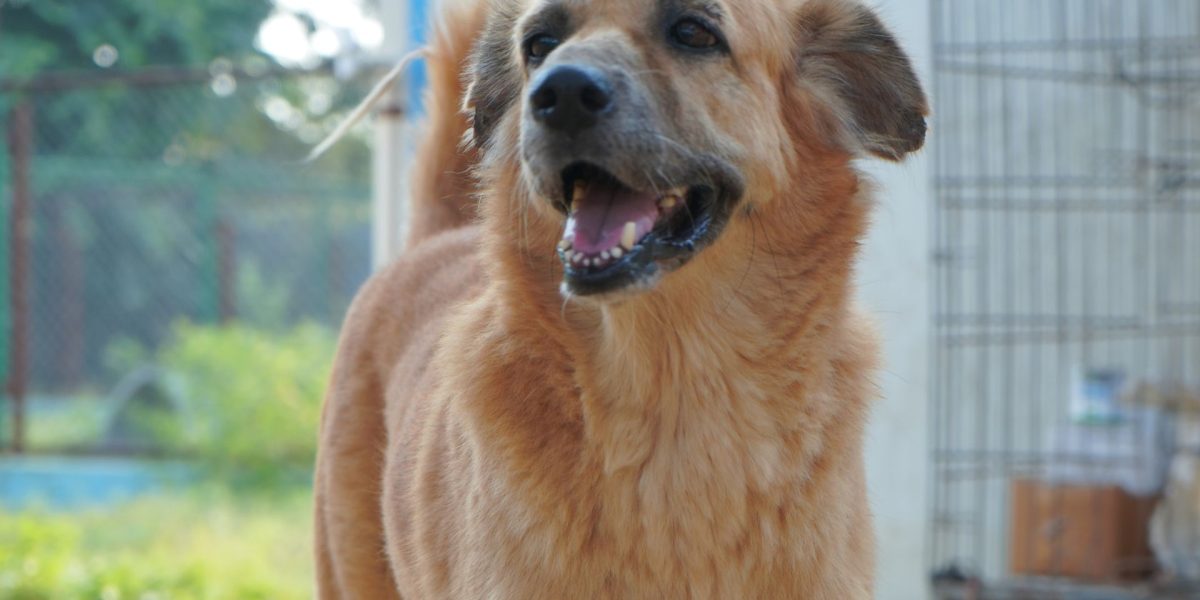
Our community is made up of humans as well as animals. Co-existing for over aeons, especially with stray dogs, cats, and cattle, it is our moral duty to protect and nurture them with love and care. Dogs are sensitive and intelligent creatures who play an important role in protecting our society and neighbourhood. Animals also offer pure love, loyalty, and companionship, which is why their welfare is safeguarded under the animal cruelty act in India.
In today’s world, we often witness dog-human conflicts. Our constitution has included several rights for our beloved community animals, as they, too, deserve a life full of love and joy. However, they suffer at the hands of vicious and cruel individuals, who are swayed by negative news and baseless complaints about street animals.
Influenced by false information, community heads may also decide to take drastic measures, but it is perceived as a wrongful approach by animal experts. While trying to discipline and teach a lesson, many times, the good-natured and docile dogs become the unfortunate victims, while the aggressive ones escape quietly.
Animal Cruelty Act, 1960: Key Provisions & Legal Powers
India, with a large animal population, established the AWBI, or the Animal Welfare Board of India, in 1960, along with the PCA, or the Prevention of Cruelty to Animals Act. The PCA was formed to prevent the abuse and suffering of animals by defining specific acts of cruelty.
The animal welfare board outlined penalties for human-inflicted pain; offences like beating, abandoning of pets, overloading, maiming, neglect, and killing are addressed. The Animal Cruelty Act was passed on December 26th, 1960. Some of its primary focuses were to highlight the suffering of animals in the country and play an active role in preventing them.
Let us note the key provisions of the Animal Cruelty Act, 1960:
- Preventing the unnecessary suffering of all living creatures apart from human beings
- Section 11, which includes kicking, beating, torturing, abandoning, neglecting by depriving them of food, water, and shelter, restricting their freedom of moving around, confinement in small spaces, administering dangerous drugs, maiming, and killing.
- The AWBI was established to develop animal care centres, providing guidelines to the government, and offering active support to all animal rescue shelters in India.
- Under the Act, the police officers were given the power to rescue or seize animals that are victims of cruelty and abuse.
- According to animal protection laws in India, police officials can rehabilitate injured and abused animals to rescue centres or infirmaries for medical aid and compassionate care.
- A special committee on the rights of scientific experimentation of animals for science-related purposes, with detailed guidelines.
- The Animal Cruelty Act limits the exhibition and excessive training of performing (circus) animals.
Prevention of Cruelty to Animals
The penalty for harming animals in India is not very rigid. However, Although the PCA Act was enacted in 1960, proposed amendments in recent years aim to strengthen penalties and enforcement. The PCA Act is governed and managed by the Animal Welfare Board of India. PCA defines numerous atrocities against animals and related penalties. Punishing miscreants can help prevent incidents of animal mistreatment.
The PCA Act is not without its share of limitations. The most highlighted drawback is the maximum penalty of a paltry 50 INR for major offences. This penalty fee is too inadequate and sadly reflects the outlook of the law against animal cruelty. Such fines do not stop offenders from repeating their cruel patterns. According to recent reports, animal cruelty cases are steadily rising, with animal activists reporting abuse and violence against innocent creatures. Amendment of the PCA Act and implementation of stricter punishments are the need of the hour.
Animal Protection Laws in India
Some of the primary Indian laws for animal protection are mentioned below:
- Indian Penal Code or IPC
- Prevention of Cruelty to Animals Act,1960 (PCA)
- Wildlife Protection Act 1972
Indian Penal Code Sections For Animal Protection
Section 428 – Any person killing, injuring, or maiming any animal worth 10 INR or more can be a punishable offence for 2 years, or the individual can be fined, or both. It is a bailable and cognizable crime under Section 428 of the Code of Criminal Procedure.
Section 429 – Under section 429 of the IPC, if an individual kills, poisons, maims, or renders useless any animal, specifically cattle or other prized animals, which are worth 50 INR or more, it carries a sentence of 5-year imprisonment, or a fine, or both. It is considered a serious though bailable offence. Hence, injuring or killing all kinds of livestock, or other wild animals like horses and camels, is considered a crime.
Animal Welfare Board of India
The Government of India established the AWBI to fulfil legal requirements regarding animals. The board can perform many important activities, such as the following:
- Offering guidelines to the central authorities for the amendment of certain rules
- Advising people to follow regulations and not cause unnecessary pain to animals while transporting, while doing experiments, or keeping animals in captivity.
- Offering financial aid to rescue shelters, NGOs, and animal care homes, especially for old and disabled animals.
- Providing guidelines to the government bodies on animal medical care and specific regulations for various animal healthcare centres or hospitals.
- Educating people and creating awareness to promote humane treatment of all animals.
- Offering guidelines on general welfare and care for homeless animals.
- As per the advice of AWBI, animal slaughter in public was put to an end in accordance with the Animal Cruelty Act,1960.
- As per the PCA Act mandates, all Indian states need a slaughterhouse to slaughter animals within the municipal boundaries.
Animal Cruelty Complaint Process
Reporting cases of animal cruelty is not just compassion or kindness; it is also your duty as an Indian citizen. Under the law, every person has the right to stand for animals and put an end to their abuse, neglect, and torture.
Let us speak about the animal cruelty complaint process in detail:
First Step – You can document any such incidents of abuse or torture by taking videos or pictures through your phone. All details like date, place, and individuals involved should be noted.
Second Step – You can file a police complaint under the PCA Act at the nearest police station.
Third Step – You can call or connect with the local NGO or animal welfare centre for doing rescue and provide medical aid.
Rescue Operations
Every member at Kannan Animal Welfare is dedicated to its primary cause of doing rescue operations for sick, homeless, abused, and injured dogs. According to team reports, not a single day goes by without hearing about some form of dog abuse. While some dogs are abandoned by pet owners, others are victims of gross neglect and left hungry or sick. Our team works around the clock to provide a safe place and urgent care to these unfortunate angels. We bravely embark on a journey to bring an end to the suffering of every dog in need of help.
Kannan animal welfare is one of the best dog rescue centres for abused, neglected, abandoned, maimed, and injured dogs. Right from emergency saving of dogs in distress to lifelong care, Kannan animal welfare (KAW) is the true embodiment of empathetic rescue and care.
Conclusion:
Animal cruelty laws are implemented so that citizens gain the right knowledge, exercise their fundamental rights to report abuse and showcase kindness to these voiceless souls that need our support to co-exist amongst us. Remember, every single report of abuse can save a precious life and open a pathway to a cruelty-free society. We can bring positive changes with a little compassion and timely action.
FAQs
In India, stray animals and human beings co-exist together, and qualities like compassion and empathy are expected from society. People should have a sense of responsibility towards homeless and stray animals.
With the support of well-established animal rescue sanctuaries and NGOs, reporting animal abuse in India should be considered a legal duty of every law-abiding citizen. Indians have the democratic right to raise their voice against abuse, torture, and neglect of both pet and stray animals.
Shoot the Incident – Take a clear video or photo of any animal cruelty happening around you, note finer details like location, date, and the individuals involved in such cruel acts.
Visit the Police Station – You can file an FIR or make a formal police complaint under the ‘Animal Cruelty Act’. This can be done at the police station nearest your location.
Connect with an NGO – You can contact the team at Kannan Animal Welfare in New Delhi or a local animal rescue group for timely action, such as emergency rescue, quick medical care, and efforts at rehabilitation.
Under Indian law section 2 (h), Performing Animals Rules, 2001, a performing animal can be any animal that is used to entertain others. Animals that are used for films, dramas, circuses, or similar events where there are audiences.
If you have a fitness certificate made by a registered vet under VCI, which includes photo identity of the pet, your address proof, and self-declaration (pet parent), you can become a legal animal owner.
Under section 27 of the PCA Act, 1960, there is an exemption clause that states that the training of animals for Indian military or police purposes is permitted. Under section 11 of the PCA Act, it is written that no animals, even under police training, should be treated in a cruel, harmful, or injurious way.
The Prevention of Cruelty to Animals Act, 1960, was passed to prevent the unnecessary pain and suffering of animals. It was also created to amend certain old laws. The act specifically addressed animals as all other living creatures, excluding human beings.