

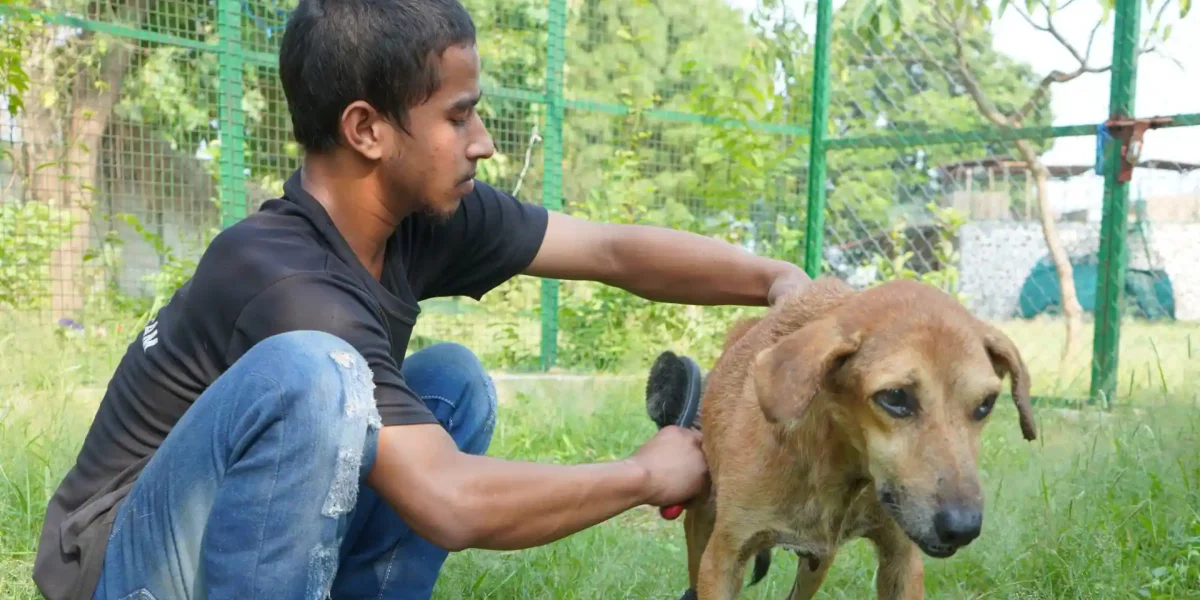
Nobody tells you how much your life changes the day you bring a pet home. One moment, you are excitedly setting up a little corner for them, and the next, you are Googling “why is my dog staring at the wall at 2 am.” That is just how it goes. But here is the truth: good pet care does not come from panic-searching at midnight. It comes from being genuinely prepared before the animal even walks through your door.
For first-time pet owners in India, the learning curve is real. Between figuring out the right food, finding a decent vet in your area, and managing the opinions of every aunty in your building, it can get a lot. But it is also one of the most worthwhile things you will ever do. And if you are thinking of adopting rather than buying, organisations like Kannan Animal Welfare (KAW) have been doing this since 2014, helping animals find real homes across Delhi-NCR, one rescue at a time.
Why Pet Ownership in India Hits Different
Let us be honest about something. A dog or cat is not a purchase you make and forget about. A dog can easily live 12 to 15 years. That is longer than most gym memberships, most cars, and honestly, a lot of relationships. When you commit to an animal, you are committing to every version of them, including the sick ones, the anxious ones, and the ones who eat your favourite pair of shoes on a Tuesday.
This is especially true in India, where pet care comes with its own flavour of challenges. It is always a good idea to understand the Animal Welfare Board of India guidelines before bringing a pet home, especially when it comes to housing rules, pet rights, and responsibilities.
- The heat alone is brutal for certain breeds
- Cramped apartments and space constraints
- Landlords who suddenly “do not allow pets”
- A general lack of pet-friendly public spaces
Knowing what you are getting into is not pessimism. It is just smart.
Picking the Right Pet Before You Fall in Love With the Wrong One
Here is something a lot of first-time owners skip: actually thinking about fit before adopting. It is easy to see a photo of a fluffy dog online and immediately want one. But dog care for beginners starts with an honest self-assessment.
- Are you home most of the day or barely there?
- Do you have a balcony, a yard, or just a single room?
- Do you run in the mornings, or is your idea of exercise walking to the fridge?
Dogs need people. They need walks, stimulation, and a lot of your actual time. Cats are a bit more self-sufficient, which makes them a better fit for busier lifestyles or smaller homes. KAW currently has some brilliant dogs up for adoption, including Indian Pariahs, a German Shepherd, and a Spitz mix. The Indian Pariah deserves a special mention here. They are ancient dogs, naturally evolved on Indian soil, and they handle this country’s climate, food, and chaos better than most imported breeds ever will.
Feeding and Exercise: The Basics Nobody Explains Properly
Good pet care really does start with what goes into their bowl. For dogs, skip the table food. That means no dal, no leftover sabzi, no spicy anything. Their digestive systems are simply not built for the way we cook in Indian households. Get them on a proper commercial kibble or a vet-recommended home diet that actually accounts for their age, weight, and breed. It sounds like extra effort upfront, but it saves you a mountain of vet bills later.
Exercise is the other half of this equation, and it matters more than most new owners realise. A bored dog is a destructive dog. Even 30 minutes of walking every single day does more for their behaviour than any training class. And speaking of training, start it from day one. Not day three. Not “once they settle in.” Day one.
- Reward the good stuff
- Ignore the bad stuff
- Be consistent
That last part is where most beginners drop the ball, and the dog pays the price for it.
A Quick Cat Care Note for the Feline Crowd
Cats get a bad reputation for being low-effort pets, and while they are more independent than dogs, that does not mean they are maintenance-free. A solid cat care guide India owners swear by always starts with three things:
- A clean litter box scooped daily
- Fresh water that is actually changed and not just topped up
- Regular vet visits that most cat owners skip entirely
Cats are masters at hiding illness, which means by the time you notice something is wrong, it has often been wrong for a while. Vaccination, deworming, and getting your cat spayed or neutered are not optional extras. They are the baseline of responsible pet care. KAW runs an active spay and neuter programme and can walk you through the whole process without it feeling like a big deal. Controlling the animal population and keeping your cat healthier in the long run are two outcomes that genuinely go hand in hand, and most first-time cat owners do not realise that until much later.
The Vet Relationship You Need to Build Early
Finding a good vet before you actually need one urgently is one of the most underrated pieces of advice in this entire guide. Do not wait until your dog is limping or your cat stops eating to go searching for a clinic nearby. Visit early, build a rapport, and get your pet’s baseline health documented. Two vet check-ups a year are the minimum for any animal.
At home, learn to read your animal. Changes in eating habits, energy levels, coat quality, or bathroom patterns are usually the first signs that something is off. A dog who suddenly goes quiet or a cat who stops grooming themselves is telling you something. Trust those observations. India’s monsoon season in particular brings a spike in tick infestations, skin infections, and waterborne illnesses.
- Flea and tick prevention
- Deworming
- Keeping paws dry during the rains
should become part of your seasonal routine without fail.
What Adopting Through KAW Actually Looks Like
A lot of people are nervous about the adoption process, assuming it is complicated or intrusive. With KAW, it is actually quite straightforward.
- You fill out an application
- A volunteer reaches out within two weeks
- A home check is arranged
- You are invited for a meet and greet at their Sohna Sanctuary
- You meet the dog, submit the paperwork, pay the adoption fee
- and then begin what KAW calls the adjustment period
That 14-day window matters more than people realise. Both you and the animal need time to figure each other out, and having that buffer before the adoption becomes official takes the pressure off. After that, you are added to a community group of KAW adopters where actual support happens daily. Real questions, real answers, from people who have been through it. And if something urgent comes up at any hour, their emergency helpline runs around the clock. That kind of post-adoption support is genuinely rare and worth a lot.
Conclusion
Responsible pet care is not about being perfect. It is about showing up every single day, even the frustrating ones, even the expensive ones, even the ones where your dog has destroyed something you genuinely loved. Animals give you everything they have. The least they deserve is an owner who went in prepared and stayed committed. Use the pet care tips India’s most trusted welfare organisations have built through years of actual field experience, and you will be far ahead of most first-time owners.
If this is the push you needed, go visit Kannan Animal Welfare at www.kannananimalwelfare.org or drop them a line at info@kannananimalwelfare.org. There is a dog or a cat somewhere in their care who would genuinely be better off with you. Make the call.