

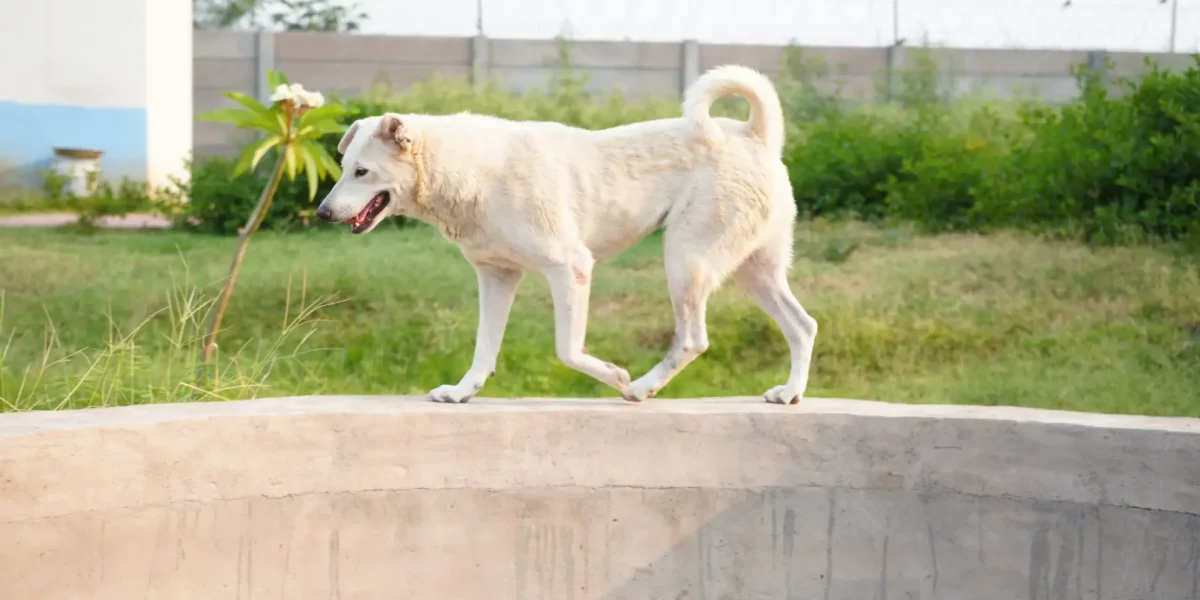
There is a moment that a lot of animal lovers know well. You see a photo of a dog sitting in a kennel, looking directly at the camera, and something in your chest just shifts. You want to help. The question is how. Two words keep coming up: foster and adopt. Most people have a rough idea of what both mean, but the actual difference between them, and more importantly, which one suits your life right now, is something worth sitting with properly before you decide anything.
Kannan Animal Welfare has been in the middle of this world since 2014. Thousands of rescues, hundreds of rehomings, and a lot of hard lessons about what animals actually need at different stages of their recovery. What they will tell you, from experience, is that both fostering and pet adoption matter enormously. They just matter in different ways, for different animals, and for different kinds of people.
So What Is Fostering, Really?
Pet fostering’s meaning comes down to this: you take an animal home, not forever, but for a stretch of time while something more permanent is figured out.
- Could be two weeks
- Could be three months
The animal sleeps in your home, adjusts to domestic life, and slowly starts to trust again. You are not their owner. You are the person who holds things together while the right owner is found.
This matters more than it sounds. A lot of animals fall apart in shelter environments. The noise, the confinement, the lack of routine, it gets to them. Some dogs stop eating. Some become so withdrawn that nobody can see who they actually are underneath the anxiety. Put that same dog in a home, even temporarily, and something unlocks.
- They relax
- Their personality surfaces
- They become the dog someone actually wants to adopt
That is the quiet but significant work of fostering. When you foster a dog, India’s shelters exhale a little. One more kennel opens up. One more animal gets a real chance instead of a concrete floor and a cage door. KAW manages the medical side of things and stays closely involved. What they need from you is simply a home, some patience, and a willingness to let go when the time comes. That last part is harder than it sounds, which brings us to something important.
What Happens When You Cannot Let Go
There is a term in animal welfare circles called a “foster fail.” It sounds like a bad thing. It is not. It is what happens when a foster parent reaches the end of the placement period, looks at the animal they have been caring for, and simply cannot hand them back. So they adopt. Permanently. It happens constantly, and nobody who has been through it regrets it.
This is worth knowing if you are sitting on the fence about pet adoption but are not quite ready to commit outright. Fostering is a legitimate way in. You learn what living with an animal actually involves:
What Pet Adoption Actually Means
Pet adoption is permanent. Full stop. When you adopt through KAW, that animal is yours. Not on loan, not on trial after the adjustment period closes, yours. Every vet bill, every behavioural quirk, every 6 am demand for breakfast, all belong to you now. For the next decade or more, depending on the animal, you are the constant in their life.
The process KAW runs is deliberate:
- Application first
- Then, a home check conducted by a volunteer
- Then a meet and greet at their Sohna Sanctuary
After that comes a 14-day adjustment window, which exists because both the animal and the new owner need time to figure each other out without the pressure of it being completely official yet, it is a thoughtful structure, and it works. Good pet adoption matches made carefully tend to stick.
Foster vs Adopt: Where the Real Difference Lives
The foster vs adopt question is not really about which option is more virtuous. It is about which one is honest, given your actual circumstances right now.
Fostering suits people who are in flux:
- Maybe the apartment situation is not permanent
- Maybe work travel makes a long-term commitment complicated
- Maybe you have never lived with an animal before
All of that is valid. Fostering lets you contribute something real without overcommitting, and the animal in your care does not experience it as lesser. They just experience it as safety.
Pet adoption suits people who have done the thinking and arrived at yes.
- Yes to the financial reality of ongoing care
- Yes to staying put long enough to see an animal through their whole life
- Yes to being someone’s permanent person
The bond that forms through adoption is different in quality, not because fostering does not produce real attachment; it absolutely does, but because permanence changes the nature of the relationship for both sides.
Why India Needs Both Right Now
The scale of the problem in India is not small. Millions of animals live on streets or cycle through shelters that were never built to hold as many animals as they do. Organisations like KAW are doing serious work, but the gap between the animals that need help and the resources available to help them is real and wide.
Every completed pet adoption removes one animal from that cycle permanently. Every foster placement buys time, creates space, and sometimes produces an adoption anyway. Neither option is a drop in the ocean. Both create outcomes that genuinely would not have existed otherwise. The animal welfare ecosystem in India needs people willing to do both, and the entry point for either is far less complicated than most people assume.
Caring for animals is not just about compassion—it also plays a role in the broader animal-human health connection, as healthier animals contribute to safer and healthier communities.
Which One Should You Choose
Stop looking for the objectively correct answer because there is not one. There is only one answer that fits your life honestly.
If permanence is possible for you right now, financially, practically, emotionally, then pet adoption through KAW is one of the more straightforwardly good decisions you can make. If it is not, fostering is not a consolation prize. It is its own form of impact, and the animals who move through foster homes on their way to permanent families are better off for every single person who said yes to that temporary stretch of care.
Either way, the starting point is the same. Visit www.kannananimalwelfare.org or write to info@kannananimalwelfare.org. Tell them where you are. They will help you figure out the rest.
FAQs
Fostering is a provisional practice in which you keep an animal until it is adopted. Adoption is a lifetime commitment in which the animal becomes your own. They are both practical, but they suit various lifestyles, circumstances, and levels of readiness for long-term responsibility.
Foster placements are different based on the needs of the animal and the speed of finding a permanent home. Placements can be two weeks or a few months. KAW mentor organisations support and assist foster parents during the entire period with regular assistance and medical care.
Fostering is most effective with individuals who are interested in helping animals but are not ready to make a long-term commitment. Fostering is a good and very important option that can be considered in case you are not certain about your living conditions, travel a lot, or simply want to have the experience of owning a pet before making a serious commitment.
It starts with an application form, and then a home check by a KAW volunteer. Upon approval, you go to a meet and greet at their Sohna Sanctuary. The adjustment period is 14 days, after which the adoption is finalized, and you and the animal get to know each other.v
Yes, and it is more common than one might imagine. Adopt the animal permanently by foster parents who have become so attached to the animal they are taking care of and cannot part with it. This is lovingly referred to in animal welfare circles as a foster fail, but it is in fact anything but a failure.
The rescue organisation, in most instances, covers and pays the medical expenses in fostering. At KAW, the organisation deals with veterinary care, medications, and health-related needs during the foster period. The foster parent provides the home, day-to-day care, emotional support and the routine that the animal needs to recover and thrive.
Adoption of pets via reputable organisations such as KAW is organised but not too complex. It has an adoption fee, documentation and home check. The real financial cost is the continued cost of food, vaccinations and regular visits to the vet, and these should be fairly considered before adoption.
There are millions of stray and homeless animals in India, and shelters are never understaffed. Each adoption permanently takes one animal off that cycle, and each foster placement opens up vital shelter space to a new rescue. Both of them directly alleviate suffering and provide individual animals with results that they would not have otherwise.