

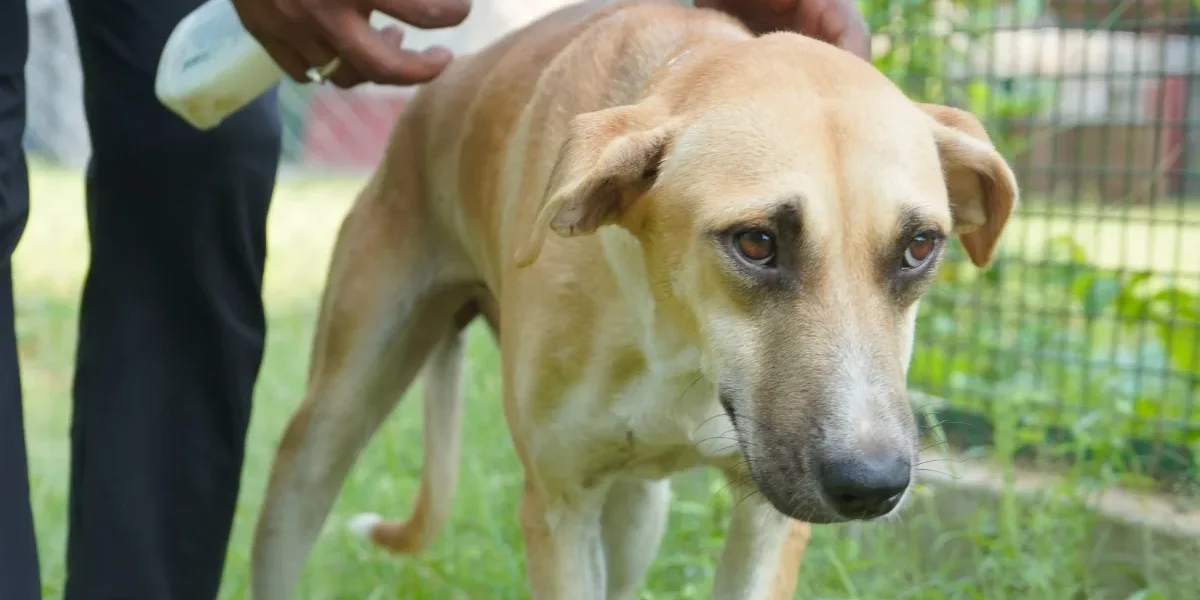
There is a dog outside almost every shop in India. You have seen them. Sleeping near a chai stall, dragging a hurt leg down a busy lane, or sitting completely still in a way that tells you something is not right. Most of us clock them for half a second and move on. What that half-second glosses over is this: plenty of those dogs are battling something serious, and plenty of those conditions would not stand a chance against basic medical attention if someone just stepped in.
Getting familiar with the common diseases in stray dogs is something anyone living in an Indian city should honestly consider. Not just animal lovers. Everyone.
Why Street Dogs Keep Getting Sick
Street dogs in India are not fragile by nature. In fact, breeds like the Indian Pariah evolved over centuries to handle exactly this environment. But evolution has its limits. No jabs, no deworming, no one around to catch a wound before it festers. They eat what they find, sleep wherever they can, and push through pain that most pet owners would rush to the vet for instantly.
The real damage happens in the gap between when something goes wrong and when someone notices. That gap on a street can stretch into weeks. A minor skin issue, a small cut, a tick nobody removed, all of these have a way of becoming full-blown crises in that window. The common diseases in stray dogs are not obscure or unusual. They show up on the same streets, in the same forms, over and over again, mostly because the window for early help keeps getting missed.
Diseases That Show Up Again and Again
Mange
Mange is what you are looking at when a dog has patchy, missing fur, thickened, crusty skin, and cannot seem to stop scratching, no matter what. Mites are the culprit, burrowing into the skin and setting off a reaction the dog has no way to stop on its own. Both sarcoptic and demodectic forms are common dog infections that India’s street population deals with constantly. The itch is relentless and exhausting. Skin starts breaking down, other infections pile on top, and the dog’s overall condition drops week by week. Get to it early, and treatment works. Leave it too long, and the picture changes fast.
Distemper
Distemper does not give you a single symptom to watch for. It goes after the respiratory system, the gut, and the nervous system, sometimes all at once. A dog with distemper might be coughing and have a runny nose one day, then vomiting and showing eye discharge shortly after, and eventually trembling or having seizures as the virus pushes further. By that final stage, medicine has very little to offer. Street dogs with no vaccination history are completely exposed to it, which is a big part of why it keeps circulating.
Parvovirus
Parvo moves at a pace that catches people off guard. A puppy that looked fine at breakfast can be in serious collapse by evening. Bloody diarrhoea, repeated vomiting, total shutdown of energy, these sick dog symptoms in young strays are not something to monitor from a distance. Each hour without proper care cuts the chances of survival. If a young stray looks like this anywhere near you, that is not the moment to wonder if someone else will handle it.
Rabies
No list of common diseases in stray dogs gets written without rabies, and for good reason. Once the virus takes hold fully, there is no coming back from it, for the dog or for a human who gets exposed. Heavy drooling, unpredictable behaviour, a dog that swings between aggression and strange calm, these are the signs. The right response is distance, not intervention. Get people away from the animal and call for professional help straight away.
Maggot Wounds
Among all the conditions street dogs face, maggot wounds are perhaps the most confronting to witness. Humidity and an untreated cut are all it takes, sometimes just a matter of hours, before fly larvae are present and feeding. KAW has handled cases where dogs arrived barely responsive because of how advanced the infestation had become. One of them was the leader, who came in severely infested and could not stand. He recovered fully. Recovery is possible, but the longer it sits, the harder that road becomes.
Tick Fever
Tick-borne dog infections India’s strays carry include Ehrlichiosis and Babesiosis, both of which go straight for the bloodstream. The dog runs a high fever, gums go pale, energy disappears, and in serious cases, bleeding begins internally. What is deceptive about tick fever is how sudden the decline can look. A dog that seemed functional yesterday and cannot lift its head today may well be dealing with this. It is treatable, but only after someone reports it and gets a proper diagnosis underway.
What Sick Actually Looks Like
Spotting a dog in trouble does not take any special knowledge. The signs of common diseases in stray dogs are visible if you are paying even basic attention. A dog that stays still while others move. Fur coming off in patches. A wound that has a smell to it. Eyes that will not open properly. A puppy folded into itself with no interest in food or movement. Bones are visible through the skin on a dog that cannot seem to stay awake.
These are not things that sort themselves out. They are signals, and they deserve a response.
Helping Without Causing Harm
Figuring out how to help a sick stray dog starts with knowing what not to do. Home remedies go wrong fast. Dettol is genuinely toxic to dogs. Forcing water or food on an animal in distress can make things worse. The intention behind it does not change the outcome.
What actually works is reporting. KAW runs a WhatsApp-based system where you send photos, drop the location, describe what you are seeing, and their team handles the rest. You stay informed, you follow their guidance, and trained hands take over the parts that need training. That division of responsibility is exactly how it should work.
Beyond reporting, financial support matters more than most people realise. Every animal KAW pulls off the street needs transport, diagnosis, medication, possible surgery, and weeks of care before they are stable. That pipeline costs money at every single step. Donating, even once, keeps more animals moving through it.
One Street at a Time
The conversation around common diseases in stray dogs does not stay contained to animal welfare. It bleeds into public health, into how diseases travel, into how communities function. A street where the dogs are visibly sick is not a healthy street by any measure.
KAW has been working since 2014 with a vision that is quietly radical: that one day there will be nothing left for them to rescue. No more animals in crisis. No more calls coming in at midnight. That future is built one reported case at a time, one donor at a time, one person who slowed down instead of walking past.
If there is a dog near you right now that does not look right, contact Kannan Animal Welfare at info@kannananimalwelfare.org or find them at www.kannananimalwelfare.org. They are ready. The dog is waiting. The only thing missing is you making the move.
FAQs
The most common ones include mange, distemper, parvovirus, rabies, and tick fever. Maggot wounds are also very prevalent, especially in the humid months, when untreated wounds will decay very fast without any medical care.
Be alert to lethargy, loss of fur, open wounds, gums that are pale or a non-moving, non-eating puppy. Any dog exhibiting such sick dog symptoms should be reported to an animal welfare organisation as soon as possible.
No. Dogs are poisonous to human antiseptics such as Dettol and can be severely injured. Home treatment usually exacerbates the situation without adequate diagnosis. Never attempt anything on your own; always call a trained animal welfare team.
The strays that Dog infections India is infected with, such as tick fever and parvovirus, can be transmitted either by direct contact, water sources, or contaminated environments. Vaccinating your pet and not letting it roam around will go a long way in minimizing the risk.
KAW saves, cures, and rehabilitates ill strays with the help of a committed team and network of vets. You can report cases through their WhatsApp number, and their emergency helpline is 24/7 and 24 hours a day.