

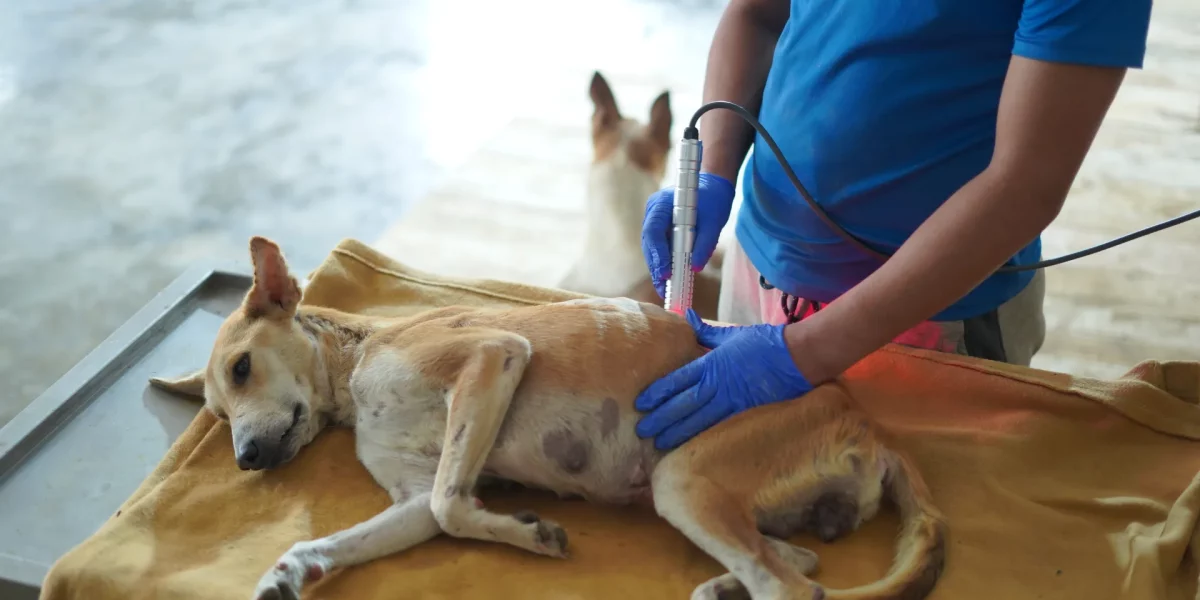
Fostering a rescued dog in India usually runs you ₹1,000 to ₹2,500 a month out of pocket. Sometimes less. That is the honest answer, and it catches people off guard, because nearly every “cost of a dog” article you will read is quietly pricing ownership, not fostering. The rescued dog’s foster cost works differently. Foster through a real rescue and the expensive, unpredictable stuff (vaccinations, deworming, a sudden surgery) usually stays on the organisation’s books instead of yours.
You bring the home, the routine, and the daily food bowl. The rescue carries medical risk.
That single split is why fostering is the cheapest, lowest-pressure way to live with a dog in this country. Let me show you where the money actually goes.
So what does a foster actually pay each month?
For a medium-sized Indian street dog, expect ₹1,000 to ₹2,500 a month in real spending, mostly food and small consumables. Most rescues supply or reimburse the medical care, and often the crate too. Your bill is the day-to-day: kibble or home-cooked food, poop bags, the odd toy, a bag of treats.
Here is the breakdown, with the ranges you will see across Delhi-NCR in 2026:
| Expense | Typical Cost (₹) | Who Usually Pays |
| Dog Food (Medium Indie) | ₹800–2,000 per month | Foster (sometimes supplied by the rescue) |
| Treats, Poop Bags & Shampoo | ₹300–600 per month | Foster |
| Deworming | ₹50–200 per dose (repeated for new rescues) | Rescue |
| Vaccination (DHPPiL + Rabies) | ₹600–1,200 (DHPPiL) + ₹300–600 (Rabies) per dose | Rescue |
| Vet Consultation (for a Sick Rescue) | ₹200–1,000 per visit | Rescue |
| Crate, Leash, Collar & Bowls (One-Time) | ₹2,000–5,000 | Rescue or Shared |
| Emergency Treatment (Tick Fever, Injury, IV Care) | ₹3,000–15,000+ per episode | Rescue |
Read that last column again. The big, scary numbers (surgery, tick fever, a hit-and-run rescue on a drip) are the rescue’s responsibility, not the foster’s. That is the whole point of the arrangement.
What the rescue covers versus what you cover
Short version: the rescue owns the medical, you own the mundane.
At most established rescues, including KAW’s foster programme in Delhi-NCR, the organisation covers the dog’s treatment: deworming, vaccination, sterilisation, and any illness or injury that shows up while the dog is in your care. Fostering is often free, or close to it. Some rescues even drop off a starter kit of food, a crate, and a leash so you spend almost nothing upfront.
What lands on you is the daily care. Feeding, walks, cleaning up, basic grooming, and time.
The medical side is genuinely expensive, which is exactly why it matters that the rescue carries it. KAW’s ongoing rescue operations regularly fund treatment running into tens of thousands of rupees per animal. In mid-2026 the team was running medical fundraisers like Ozzy’s, after an accident, with a ₹40,000 goal, and Nirad’s, to help him walk again, at ₹50,000. Those are bills a foster never has to face.
One caution before you say yes: confirm the exact split first. Coverage differs between groups, and a quick message saves confusion later. KAW’s team will tell you plainly what they fund and where they would love your help. Ask them on WhatsApp at +91-9999670042 before you commit to a particular dog.
Why fostering costs less, and asks less, than adopting
Adopting is forever. Fostering is a chapter.
When you adopt, every future cost is yours: a decade of food, annual boosters at ₹800 to ₹1,400 a year, grooming, boarding when you travel, and whatever medical surprises a dog’s life brings. A sensible first-year budget for vaccinations, deworming, sterilisation and basic supplies alone runs ₹8,000 to ₹15,000, and that is before the ongoing ₹3,000 to ₹10,000 a month that many owners report.
Fostering strips most of that away. The rescue absorbs the medical. The commitment is weeks or months, not fifteen years. If your job might move you to another city, or you are simply not sure you can care for a dog for its whole life, fostering lets you help without signing up for a decade. Lower money, lower risk, same warm dog on your floor.
It is the higher-impact choice too, dog for dog. Shelters fill up fast. Every dog you foster frees a kennel for the next emergency rescue, so you are quietly helping two dogs at once.
The cost that never shows up in rupees: your time
Money is the easy part. Time is the real currency of fostering.
A settled adult indie might need two walks, two meals, and some company, so call it an hour or two a day. A fresh rescue asks for more. Frightened dogs hide, flinch, and take days to eat normally. A pup is not housetrained yet, so expect accidents, broken sleep, and a fortnight of patience while it learns the ropes. If the dog is recovering from surgery or tick fever, you are also giving medication on schedule and keeping it calm and crated.
None of this is a reason not to foster. It is a reason to be honest with yourself about the season of life you are in. The best fosters are not the ones with the most money. They are the ones who can actually be home.
The “foster fail”: when you meant to foster and ended up adopting
Here is the risk no cost table can price. You bring a dog home for three weeks, and it becomes yours.
It is called a “foster fail”, foster-speak for the moment you fall so hard for the dog that you adopt it yourself. It is common enough to be a running joke in rescue circles. In a peer-reviewed survey of nearly 1,000 foster volunteers, about 38% had adopted one of their fosters in the previous ten years.
I will be straight with you: this is the one way fostering can quietly turn into full ownership cost. Foster fails, and every number in the “rescue pays” column shifts over to you. The upside is real, though. You already know this dog’s temperament, quirks, and health history, which is a far safer way to end up with a pet than choosing one from a photo. A foster fail is not really a failure. It is a very well-informed adoption.
Should you foster? My honest take
If you love dogs but are not ready for a fifteen-year commitment, because of work, travel, a rented flat, or plain uncertainty, fostering is the smartest way in. You spend a little on food, you give a lot of time, and the rescue carries heavy medical costs. For roughly the price of a couple of restaurant meals a month, you keep a rescued dog off the street and out of an overcrowded shelter while it waits for a family.
KAW’s Kapashera sanctuary already feeds 256 resident animals and 200-plus street dogs every single day. Foster homes are what let the rescue say yes to the next injured dog instead of turning it away.
So if you have a spare room and a few free hours, foster a rescued dog with KAW. If you are ready to commit for life instead, you can adopt one of KAW’s Indian Pariah rescues like Sneezy or Maggie. And if you cannot take a dog home right now, a donation from India funds the vet bills that keep fostering free for the next volunteer. Whichever fits your life, message KAW on WhatsApp at +91-9999670042 to start.
FAQs
Often, yes. Most established rescues cover the dog’s medical costs (vaccination, deworming, treatment) and some supply food and a crate. A foster’s typical out-of-pocket is food and small consumables, roughly ₹1,000 to ₹2,500 a month. Always confirm the exact cost split with your rescue first.
For a medium Indian street dog, a foster usually spends ₹1,000 to ₹2,500 a month, mostly on food, treats, and poop bags. Vaccination, deworming, and emergency vet care are generally paid by the rescue, not you, which is what keeps the rescued dog fostering cost low.
Fostering is temporary care for a rescued dog until it finds a home; the rescue keeps ownership and pays the medical bills. Adoption is permanent, so you take on the dog for life and all its future costs. Fostering is cheaper and lower-commitment.
Established rescues typically fund vaccinations, deworming, sterilisation, and any illness or injury during the foster period. KAW runs medical fundraisers for injured rescues and covers treatment through its rescue operations. Confirm the specifics with KAW before you foster.
A “foster fail” is when someone fostering a dog decides to adopt it permanently. Despite the name, it is treated as a happy ending: the dog gets a forever home, and you already know its personality and health.
Yes, and that is exactly who is fostering suits. Because it is short-term, you can help a dog without a lifelong commitment. Just be honest about your daily time, since a scared or recovering rescue needs more attention than a settled adult dog.