

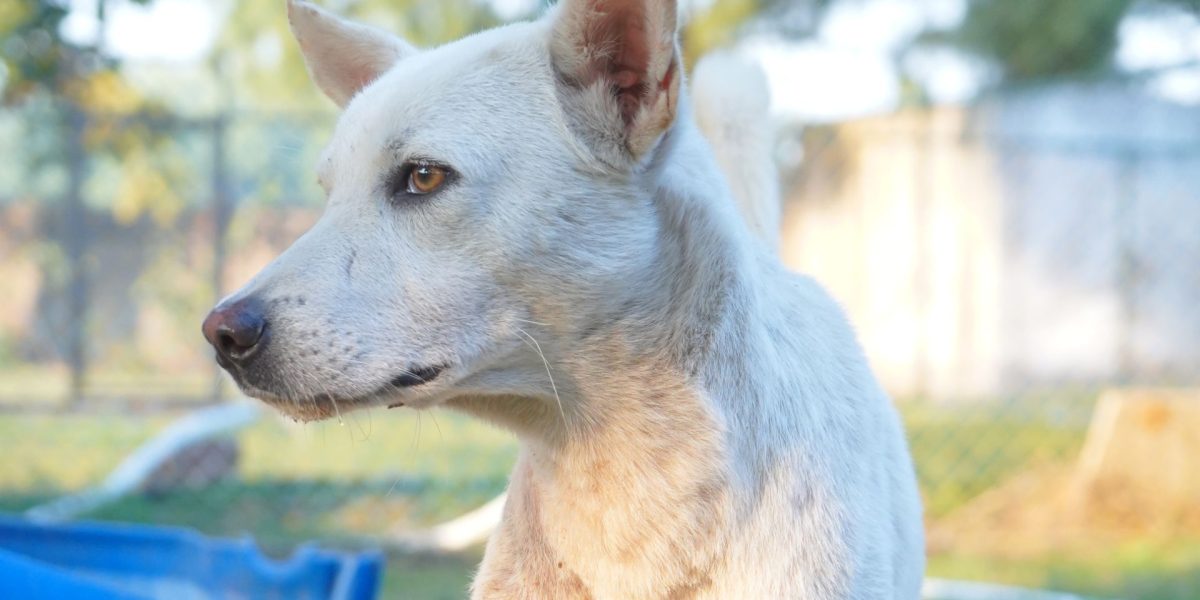
Every month thousands of pet parents search for dog heat cycle facts—how long it lasts, which days are fertile, how much bleeding is normal, and how to keep their girl safe and comfortable. This guide brings all of that together in one clean, practical article you can trust. It covers the 4 stages, a day-by-day chart, a simple at-home calculator, advice for the first heat, comfort tips, answers to popular queries, and the realities around the so-called male dog heat cycle (spoiler: it doesn’t exist).
Quick take: Most bitches have the dog heat cycle about twice a year. Visible heat lasts 2–3 weeks (14–21 days). The fertile window commonly falls around days 9–14 from the first spotting, but individual timing varies.
According to the Indian Veterinary Research Institute (IVRI) and Cornell University College of Veterinary Medicine, most female dogs experience two heat cycles per year, though timing varies by breed.
What is the dog heat cycle?
The dog heat cycle (estrous cycle) is the repeating hormonal rhythm that prepares a female dog’s body for breeding and pregnancy. Think of it as a sequence of four phases that repeat throughout adult life unless she is spayed. Understanding it helps you prevent accidental litters, spot health problems early, and plan routines that keep everyone calm and safe.
What are the 4 stages of a dog in heat?
The dog heat cycle moves through four predictable phases. Not every dog shows textbook signs, but the pattern is consistent enough to plan around.
1) Proestrus (average 7–10 days)
- What you’ll see: swelling of the vulva, bloody discharge that can range from bright red to pinkish brown, more licking, frequent urination, increased attraction of male dogs.
- Behavior: she won’t accept mating yet and may keep the tail down or move it away from males.
- Your job: switch to leash-only walks, use washable diapers or pads indoors, and keep intact males far away.
2) Estrus (average 5–9 days; can be 3–12+)
- What you’ll see: discharge becomes straw-colored or watery; swelling may soften; many females accept mating and will “flag” (hold tail to the side).
- Fertility: this is when ovulation and conception are most likely.
- Your job: treat this window as maximum escape risk—double gates, supervised potty breaks, no dog parks.
3) Diestrus (about 60 days)
- What you’ll see: discharge tapers off and she stops accepting males. Hormones remain elevated whether or not she’s pregnant.
- Notes: some dogs show false pregnancy—nesting, carrying toys, enlarged mammary glands. Talk to your vet if signs are strong or distressing.
4) Anestrus (about 4–6 months)
- What you’ll see: the body resets. No heat signs. This is the ideal time to discuss spay timing, training plans, diet tweaks, and health checks.
Keep these stages handy; they’re the backbone of the dog heat cycle.
Dog heat cycle days (with chart you can save)
Here’s a simple dog heat cycle chart that maps common timing. Every dog is an individual, but this layout fits most:
| Day Range | Phase | What Typically Happens | What You Should Do |
| Days 1–7 | Proestrus | Red/pink discharge, swelling, attracts males, no mating | Leash walks only, diapers, secure doors and gates |
| Days 8–14 | Estrus | Discharge turns straw-colored, swelling softens, receptive | Maximum supervision, strict separation from males |
| Days 15–21 | Late Estrus → transition | Discharge tapers; receptivity ends | Keep routines calm; continue supervision |
| ~Days 22–80 | Diestrus | Hormones high; false pregnancy possible | Watch for behavior changes; contact vet if worried |
| ~Months 3–6+ | Anestrus | Quiet reset period | Training, wellness checks, discuss spay timing |
Save this chart, print it, or copy it into your notes app. It’s an essential visual for the dog heat cycle.
How many times a year is a dog in heat?
Most females go through the dog heat cycle twice a year—roughly every 6–7 months. Small breeds may cycle three times annually. Giant breeds sometimes cycle once per year. Adolescents often have one or two irregular heats before the rhythm settles. If your girl is very inconsistent long-term, ask your vet to rule out medical causes.
How long are dogs in heat?
Visible heat (proestrus + estrus) usually lasts 14–21 days. Bleeding is heaviest early and often lightens around estrus. Some dogs barely spot; others bleed more. What matters most is your dog’s normal pattern. Record it -those notes are gold the next time the dog heat cycle rolls around.
Call your vet urgently if bleeding is very heavy, has a foul odor, lasts longer than three weeks, or your dog shows fever, lethargy, vomiting, or abdominal discomfort.
First-timer’s guide: What to do when your dog is in heat for the first time
A first dog heat cycle can be surprising. Here’s how to make it easy:
- Mark Day 1 when you first notice bloody discharge.
- Secure your space: latches, double gates, balcony checks, and no off-lead time outdoors.
- Hygiene: breathable diapers changed often; a quick sanitary trim keeps the area clean.
- Comfort: short, frequent leash walks; quiet rest nooks; chew toys, lick mats, and puzzle feeders.
- Training: reinforce polite leash manners and recall indoors; skip high-arousal playdates.
- Health plan: ask your vet about spay timing suited to your dog’s size, age, and lifestyle.
- Family rules: no open doors, no visitors with intact males, and no unsupervised yard time.
This calm structure turns a first dog heat cycle from chaos into routine.
How to comfort a dog in heat
- Routine: predictable mealtimes and walk times reduce anxiety.
- Gentle exercise: keep it light and on-lead, several short sessions instead of one long outing.
- Mental work: snuffle mats, frozen broth cubes, scent games, and safe chews help her relax.
- Cleanliness: warm damp cloth to clean the area; pat dry; change diapers regularly to prevent rashes.
- Soothing environment: soft bedding, dimmer evenings, and vet-approved pheromone diffusers can help.
- Supervision: males can become very persistent—your vigilance matters.
These small steps make the dog heat cycle far easier for both of you.
How to stop a dog in heat from bleeding (and what not to do)
You can’t and shouldn’t stop normal heat bleeding. It’s part of the dog heat cycle. What you can do:
- Use properly fitted diapers and change them often.
- Keep fur tidy around the vulva for cleanliness.
- Clean with mild, pet-safe products and dry the area to prevent irritation.
- Never give human painkillers or hormone tablets without veterinary guidance—those can be dangerous.
If bleeding becomes sudden, heavy, or foul-smelling, call your vet.
The reality about the “male dog heat cycle”
There is no male dog heat cycle. Males become fertile after puberty and remain fertile all year. During a nearby female’s heat, intact males may pace, whine, eat less, or attempt to roam. Neutering, secure housing, structured exercise, and enrichment help manage these behaviors.
Dog heat cycle calculator (easy at-home method)
You don’t need an app to estimate dates. Use this dog heat cycle calculator method with your calendar:
- Set Day 1 = first day you spot bleeding.
- Fertile estimate = add 9–14 days to Day 1. (It’s a window, not a promise.)
- End of visible heat = add 14–21 days to Day 1.
- Next cycle reminder = add 6–7 months to Day 1 and set an alert two weeks before that date.
If you plan to breed, don’t rely on estimates. Ask your vet about progesterone testing and cytology to pinpoint ovulation. For everyday guardians, this calculator keeps the dog heat cycle predictable and manageable.
Should you use a dog heat cycle tracker app?
If you love data, a dog heat cycle tracker app is handy. If you prefer simple, the built-in phone calendar works perfectly. Whichever you choose, log:
- Day 1 spotting
- Daily discharge notes (color/amount)
- Behavior (clingy, playful, restless)
- Appetite and energy
- Any meds or supplements
A month from now, you’ll be grateful for that record.
Health watch: what’s normal vs. not during the dog heat cycle
Usually normal
- Red/pink → straw-colored discharge transition
- Swollen vulva and increased licking
- Interest from male dogs
- Mild changes in appetite, energy, or mood
Needs a vet
- Bleeding that is very heavy, foul-smelling, or extends beyond 21–28 days
- Fever, marked lethargy, vomiting, or abdominal distension
- Excessive thirst/urination with depression (possible uterine infection)
- Repeated silent heats (no visible signs) or very irregular cycles
- Suspected accidental mating and you want options discussed
Prompt attention keeps the dog heat cycle safe and uneventful.
Spaying: timing, benefits, and how it relates to the cycle
Spaying prevents pregnancy and dramatically lowers the risk of pyometra (uterine infection) and certain cancers. Timing isn’t one-size-fits-all. Small dogs may be candidates before the first heat; large and giant breeds often benefit from individualized timing. Discuss lifestyle, breed, and health goals with your veterinarian and plan it during anestrus, the quiet phase of the dog heat cycle.
House rules that prevent accidents (and stress)
- Zero off-lead time outdoors during visible heat.
- Two-gate rule: a second barrier between your dog and the outside world.
- No dog park visits and avoid areas with roaming dogs.
- ID + tag + microchip up to date. Consider a GPS tag during the dog heat cycle.
- Visitor rule: friends with intact males should skip visits.
- Clean spaces daily to manage odor and comfort.
These basics prevent the most common crises linked to the dog heat cycle.
Case study: a calm, clean, two-week plan
Many homes follow a simple rhythm that works beautifully every dog heat cycle:
- Morning: short leash walk → diaper change → breakfast + puzzle feeder
- Midday: indoor tug or scent game → quiet nap space
- Evening: short leash walk (quiet lane) → clean up → lick mat while family eats
- Night: last potty break on leash → fresh bedding → white-noise machine for calm
Two weeks later, life slides back to normal – no drama, no accidents.
Advanced notes for guardians planning a litter (read carefully)
- Pre-breeding exam: ensure vaccinations, parasite control, and orthopaedic and genetic screenings are complete.
- Ovulation timing: use progesterone tests and, where indicated, vaginal cytology; the fertile period is not identical for every dog heat cycle.
- Ethics & responsibility: plan for whelping costs, emergency care, and lifetime support for puppies.
- Paperwork: understand local licensing, microchipping, transfer records, and contracts.
Responsible planning protects both dams and pups and honours the seriousness of breeding.
FAQs
Proestrus, estrus, diestrus, anestrus—the core sequence of the dog heat cycle.
Typically twice; small breeds may have three, giant breeds sometimes once per year.
About 2–3 weeks of visible signs, with the fertile window often around days 9–14 after first spotting.
You don’t. Use diapers and hygiene; call your vet for heavy, prolonged, or foul bleeding.
Mark Day 1, secure your home, keep to leash walks, use enrichment for calm, and discuss spay timing.
No. There is no male dog heat cycle; males are fertile year-round once mature.
Yes—use our calendar-based dog heat cycle calculator above or any pet-tracking app.
Commonly days 9–14 from the first spotting, but individual dogs vary. Vets confirm timing with tests.
Conclusion
Handled with calm routines, basic hygiene, and smart supervision, the dog heat cycle becomes just another season in your dog’s year. Keep a simple log, follow the chart, use the calculator dates as reminders, and get your vet involved whenever something feels off. Do that, and every future dog heat cycle will be easier than the last -safe, predictable, and stress-free for your best friend.